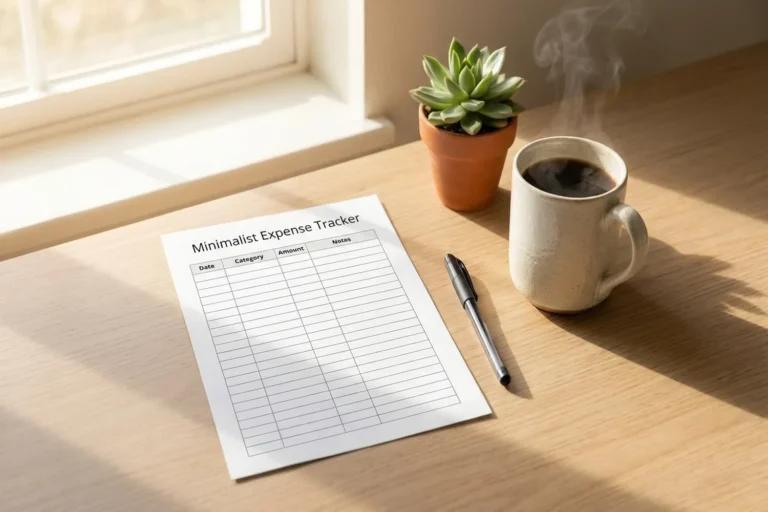
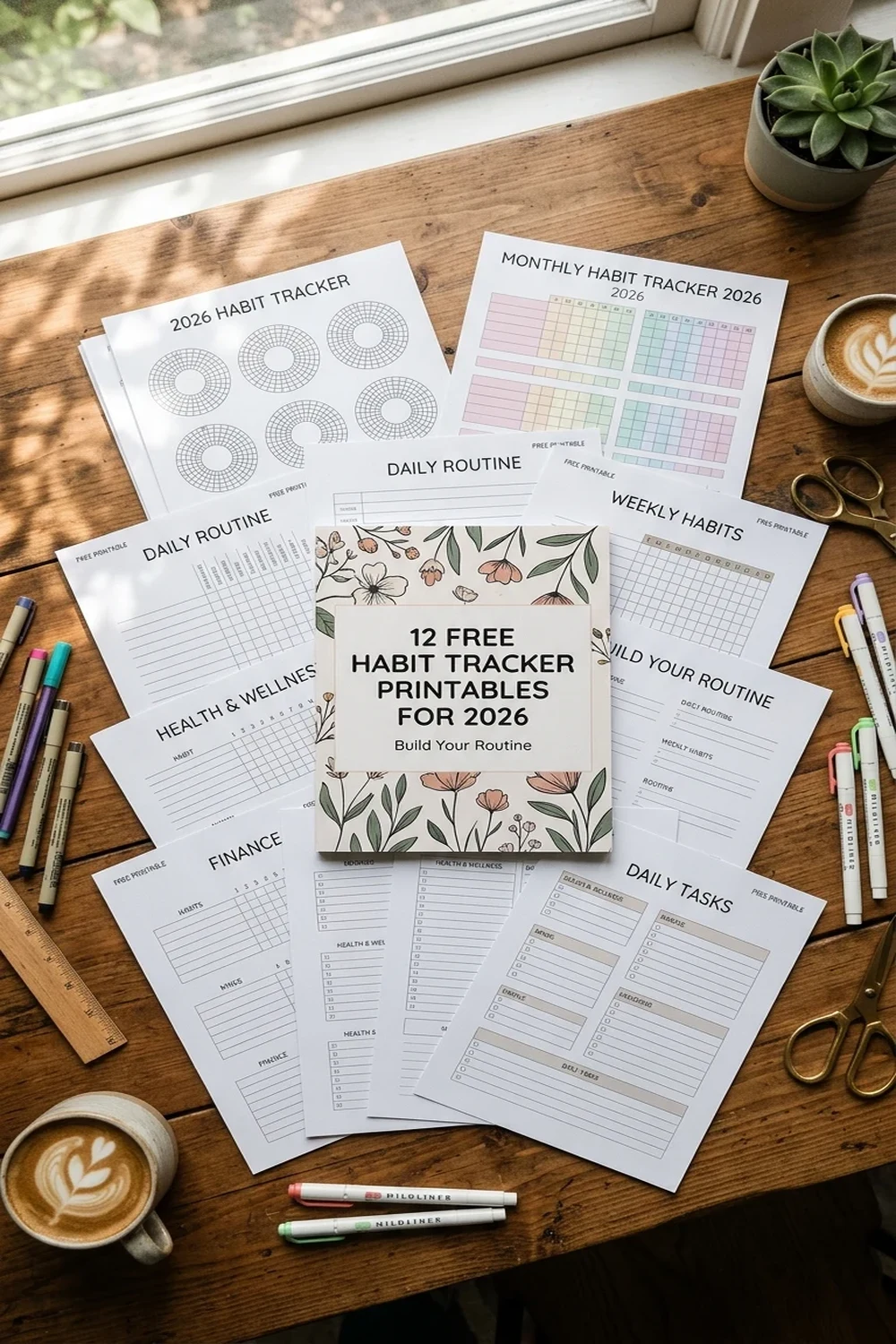
12 Free Habit Tracker Printables for 2026 to Build Routine


A habit tracker printable provides a visual, tangible system to monitor daily routines and reinforce positive behavioral changes. Research indicates that tracking progress on paper improves consistency by up to 42% compared to relying on mental check-ins alone. These 12 free printable habit tracker templates for 2026 offer structured layouts for hydration, fitness, morning routines, and mental wellness.

12 Habit Trackers Printable: Free Templates to Structure Your Daily Routine
A printable habit tracker is a tangible analog paper sheet designed to systematically record, visually monitor, and reinforce daily behavioral patterns over set time horizons. Utilizing physical paper templates removes screen fatigue, increases neuro-visual commitment, and provides an immediate tangible record of your personal productivity.
- Cognitive Reinforcement: Physical handwriting on paper activates motor cortex pathways that reinforce habit commitment up to 42% more effectively than digital smartphone logging.
- Friction-Free Accessibility: Analog paper printables eliminate digital interruptions such as push notifications, battery depletion, and app paywalls.
- Versatile Layouts: The collection provides 12 distinct format styles ranging from compact A5 bullet journal inserts to full-page monthly calendar grids.
- Targeted Behavior Categories: Dedicated tracking modules cover hydration, strength training, restorative sleep schedules, mindfulness practice, and daily financial budgeting.
- Standardized Print Setup: Every template is formatted for standard US Letter (8.5 x 11 inches) and international A4 dimensions for crisp home printing.

1. Ivory Colorful Bullet Journal Template for Visual Goal Setting
The Ivory Colorful Bullet Journal template is an A5-sized visual habit tracker engineered for dot grid planners, featuring high-contrast pastel palettes and dedicated metric rows for daily routine management. This compact format balances aesthetic stimulation with structured checkboxes to turn daily accountability into an engaging visual ritual.
- Optimized A5 Dimensions: Measuring 5.8 x 8.3 inches, this template slips effortlessly into popular standard dot-grid notebook brands like Leuchtturm1917 and Moleskine.
- Pre-Configured Core Metrics: Dedicated tracking sections monitor language acquisition, 30 minutes of reading, 10,000 daily steps, whole-food nutrition, and 64 ounces of water.
- Micro-Reward Visual Feedback: Color-coded habit rows allow users to apply pastel brush pens or highlighters, creating a rewarding visual mosaic as consistency grows.
- Zero-Ghosting Print Weight: Designed for 100 to 120 GSM paper stock to completely prevent marker bleed-through and shadow ghosting.
- Streamlined Daily Audit: Filling out the five built-in habit slots requires less than 90 seconds of focused reflection each evening.
2. Monthly Habit Tracker Printable for Long-Term Behavioral Consistency
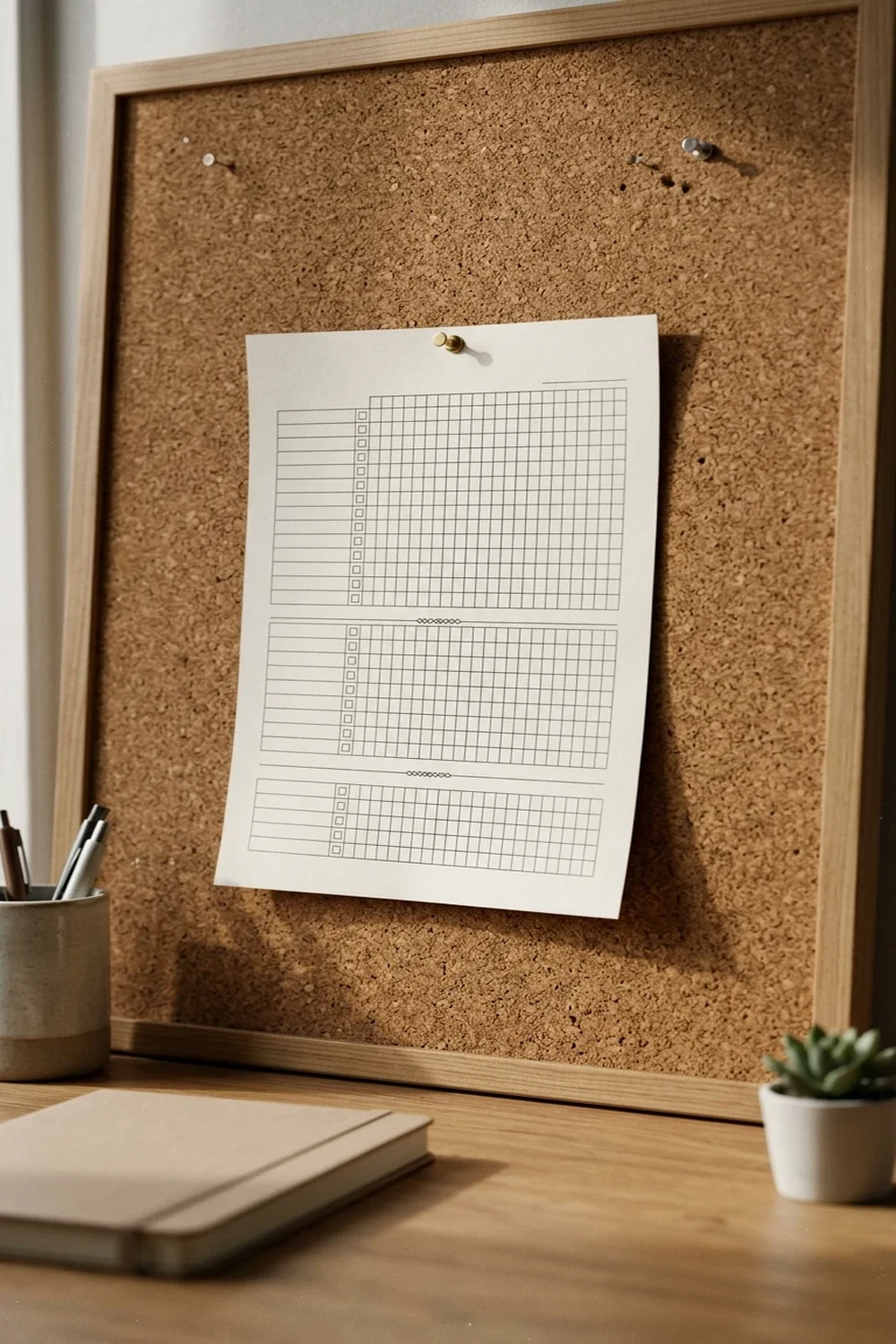
A monthly habit tracker printable is a single-page calendar grid that maps repeating personal behaviors across a full 30-day or 31-day cycle to pinpoint macro trends and adherence rates. By presenting an entire month at a single glance, this layout eliminates short-term bias and clarifies long-range habit compounding.
- Bird’s-Eye Trend Analysis: A single 31-column matrix lets you instantly detect weekend habit drop-offs and cyclical productivity slumps.
- Integrated Mindset Anchors: Thoughtful motivational anchor quotes prompt emotional resilience during mid-month momentum valleys.
- Customizable Multi-Habit Capacity: Accommodates up to 15 distinct daily micro-habits spanning health, intellect, career development, and home maintenance.
- Quantitative Adherence Scoring: Built-in calculation margins allow you to tally total successful days and compute monthly completion percentages.
- Minimalist Ink-Friendly Format: High-contrast monochrome borders reduce home printer cartridge consumption while maintaining sharp lines on recycled paper.
3. Health and Wellness Tracker Printable for Balanced Lifestyle Management
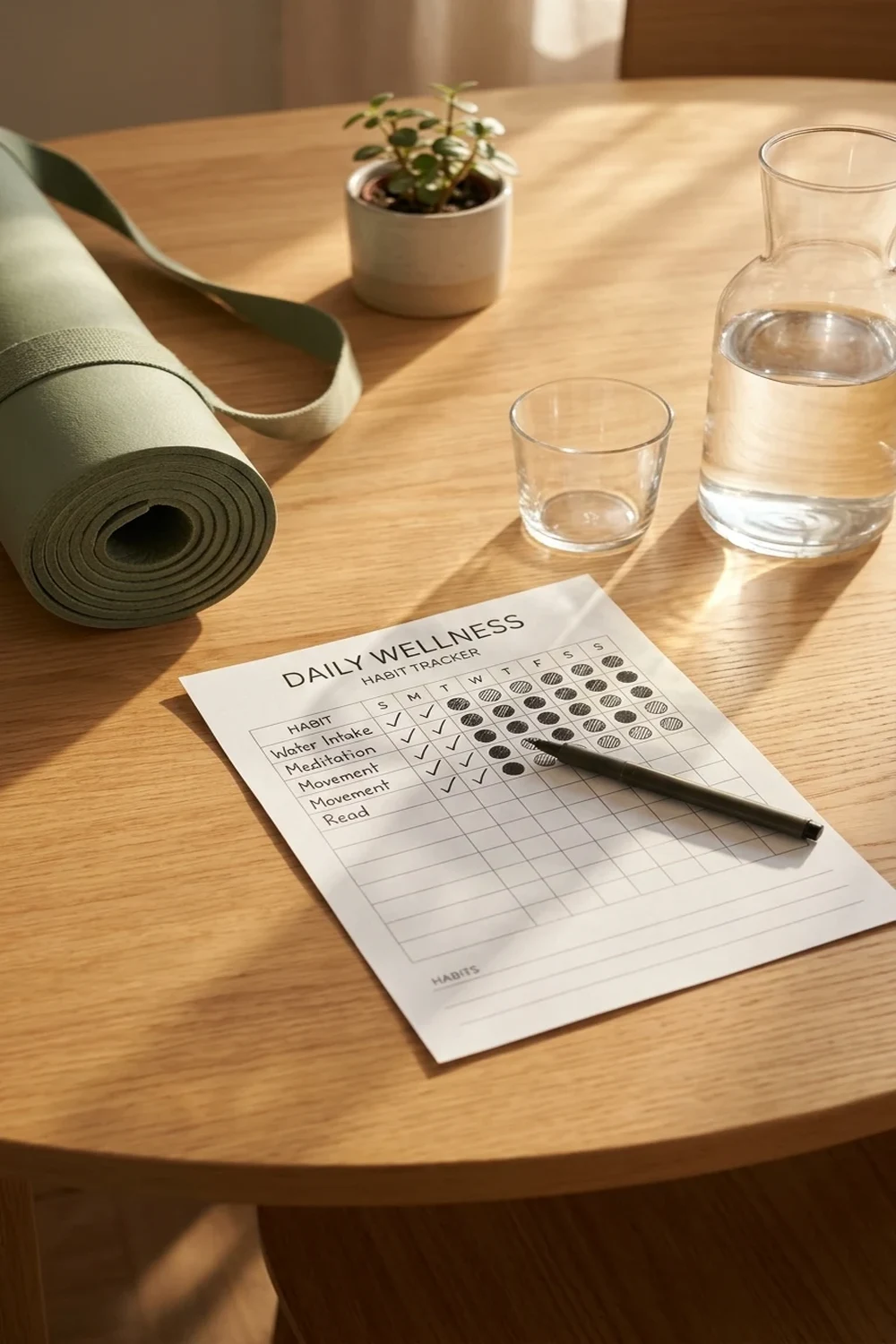
The Health and Wellness Tracker printable is a comprehensive lifestyle accountability sheet structured into weekly monitoring blocks that correlate physical fitness, nutrition, hydration, and restorative sleep metrics. Tracking physiological inputs alongside mental recovery practices helps users identify direct links between healthy habits and sustained daily energy.
- Hydration Intake Logging: Eight individual fluid check-boxes assist users in reaching the recommended baseline of 64 fluid ounces of daily water intake.
- Physical Activity Log: Dedicated rows track workout duration, cardiovascular exercise, and functional strength sessions across all seven days.
- Sleep and Vitality Correlation: Side-by-side tracking reveals how 7-8 hours of restful sleep directly enhances daytime productivity and workout performance.
- Holistic Self-Care Metrics: Flexible entry fields accommodate daily meditation, mindful journaling, screen-free evening routines, and balanced nutrition.
- Weekly Review Iteration: Compact end-of-week reflection boxes enable rapid adjustments to fitness targets before the next week begins.

4. Morning and Evening Routine Tracker Template: How to Structure Daily Rituals
A morning and evening routine tracker is a dual-segment daily planning worksheet designed to anchor high-leverage rituals at the start and conclusion of each day. By partitioning the calendar day into distinct AM and PM blocks, this printable template stabilizes circadian health and eliminates morning decision fatigue.
- AM Habit Stacking: Anchor 3 to 4 sequential actions such as drinking 500ml of lemon water, a 10-minute sunlight exposure walk, and 15 minutes of focused reading to trigger immediate physiological alertness.
- PM Wind-Down Protocols: Systematically log the cessation of blue-light screen exposure 60 minutes prior to bed, complete skin hydration steps, and record bedtime reading to signal melatonin release.
- Circadian Rhythm Stabilization: Maintain identical wake and sleep tracking windows across both workdays and weekends to optimize metabolic health and sleep architecture.
- Binary Checkbox Structure: Utilize simple dual-column daily checkboxes that confirm completion in under 3 seconds per check without adding journaling friction.
- Weekly Momentum Audits: Review weekly routine adherence scores each Sunday evening to adjust the order or difficulty of overly ambitious habits.

5. Weekly Habit Tracker Printable: Best Format for Flexible Goal Consistency
A weekly habit tracker printable provides a 7-day micro-cycle overview that allows users to monitor core lifestyle routines without the intimidation of monthly commitments. Tracking habits across a Monday-through-Sunday grid delivers rapid feedback loops, enabling real-time adjustments before an entire month is lost to inconsistency.
- Agile 7-Day Micro-Cycles: Evaluate performance every 7 days rather than waiting for month-end retrospectives, keeping goal momentum manageable and fresh.
- Manageable Target Allocation: Restrict active monitoring to 5 or 6 critical routines such as hydration, gym sessions, and deep-work blocks to prevent cognitive overwhelm.
- Visual Streak Continuity: Fill horizontal check-boxes across seven consecutive daily slots to build visual accountability and leverage loss-aversion psychology.
- Rapid Friction Diagnostics: Detect specific days of the week where consistency systematically collapses, revealing hidden schedule bottlenecks such as mid-week meeting fatigue.
- Adaptive Weekly Reset: Print a fresh weekly sheet each Sunday night to start clean, completely detached from prior slips or missed targets.

6. Self-Care and Well-Being Tracker: How to Prioritize Mental and Emotional Health
A self-care and well-being tracker is an intentional wellness log that tracks psychological recovery, nervous system regulation, and emotional balance alongside physical habits. Monitoring targeted self-care practices ensures that personal restoration receives equal priority to professional output.
- Nervous System Recovery: Log daily 10-minute mindfulness sessions, non-sleep deep rest (NSDR), or breathwork to systematically down-regulate cortisol levels.
- Reflective Journaling Check-ins: Dedicate a five-minute daily slot to write gratitude prompts, process emotional friction, and document personal wins.
- Holistic Health Indicators: Record restorative measures including outdoor nature exposure, physical stretching, and intentional skincare rituals.
- Screen Detox Windows: Track a minimum of 90 minutes of daily zero-screen offline recovery time to protect mental energy and cognitive endurance.
- Mood Correlation Mapping: Compare days with completed self-care routines directly against subjective mood ratings to validate the personal value of rest.

10 Common Habits You Should Track Daily for Peak Routine Building
Tracking high-impact daily habits creates measurable behavioral reinforcement across physical vitality, cognitive performance, and financial discipline. Focus on tracking concrete, quantifiable actions to ensure consistent execution and clear pattern recognition.
- Hydration Intake: Target 2.5 to 3 liters of water daily to maintain cellular hydration, sustained cognitive alertness, and digestive health.
- Structured Physical Activity: Log a minimum of 30 minutes of progressive movement, such as strength training, zone 2 cardio, or brisk walking.
- Sleep Optimization: Record bedtime, total duration between 7 to 9 hours, and morning wake time to reinforce natural biological clock rhythms.
- Whole-Food Nutrition: Monitor balanced whole-food meals while minimizing ultra-processed sugars and artificial ingredients for stable energy curves.
- Focused Reading Practice: Complete 20 pages or 30 minutes of non-fiction, technical, or literary reading daily to compound subject-matter knowledge.
- Mindfulness and Breathwork: Practice 10 to 15 minutes of silent meditation or physiological box-breathing to bolster emotional equilibrium.
- Digital Screen Boundaries: Limit non-work screen time to under 2 hours daily, documenting phone-free bedroom routines.
- Daily Expense Budgeting: Log every financial outlay daily to eliminate lifestyle creep, protect savings targets, and reduce financial anxiety.
- Therapeutic Journaling: Record three things you are grateful for and summarize daily cognitive lessons to build self-awareness.
- Deliberate Skill Acquisition: Dedicate 20 minutes daily to practicing a targeted capability, such as foreign language mastery, coding, or musical technique.

1. Drinking Water: How to Track Daily Hydration with Free Printables
Drinking water consistently boosts daily energy levels, supports metabolic function, and prevents afternoon cognitive fatigue. Using a printable daily water tracker helps you monitor baseline fluid intake visually rather than relying on guesswork.
- Baseline Target: Adults should consume approximately 2.7 to 3.7 liters of total fluids daily according to National Academies guidelines, adjusted for climate and physical exertion.
- Visual Checkboxes: Use printable water droplet icons where each shaded droplet corresponds to an exact 250ml or 8-ounce glass consumed.
- Time-Batch Markers: Anchor water intake targets to specific routine triggers, including one full glass upon waking, one prior to each meal, and one mid-afternoon.
- Hydration Consistency: Logging water intake daily prevents dehydration headaches, improves physical stamina, and stabilizes skin barrier moisture.
- Actionable Directive: Download your printable hydration chart today and keep it visible right beside your reusable water bottle on your desk.

2. Exercise: Printable Habit Trackers for Consistent Daily Movement
Consistent daily exercise reduces cardiovascular disease risk, regulates blood glucose levels, and improves emotional health. Logging daily physical activity on a printable workout tracker establishes visual accountability that reinforces long-term training habits.
- Activity Benchmarks: Aim for at least 150 minutes of moderate aerobic activity or 75 minutes of vigorous exercise weekly as recommended by health organizations.
- Flexible Logging: Record physical movement by workout type, such as strength training, a brisk 30-minute neighborhood walk, or mobility yoga.
- Micro-Session Wins: Count 10-minute movement intervals when schedule constraints arise, as cumulative physical activity supports metabolic stability.
- Progress Metrics: Track workout frequency rather than immediate workout intensity during the initial 66 days of establishing your exercise routine.
- Actionable Directive: Place your printed exercise tracker directly onto your refrigerator door to confirm each completed movement session immediately.

3. Sleep: Tracking Sleep Quality and Circadian Rhythm Routines
Optimizing sleep duration restores cognitive bandwidth, supports immune defense mechanisms, and regulates critical metabolic hormones. A dedicated sleep tracking printable enables you to identify negative sleep environment triggers and maintain stable circadian rhythms.
- Optimal Duration: Healthy adults require seven to nine hours of restorative sleep nightly to maximize cellular repair and neuroplastic recovery.
- Sleep Hygiene Metrics: Log specific variables such as target bedtime, morning wake time, and total rest interruptions on your printable sheet.
- Digital Sunset Boundary: Record compliance with turning off blue-light digital screens at least 60 minutes prior to your designated sleep window.
- Environmental Controls: Track bedroom ambient temperature targets of 65 to 68 degrees Fahrenheit to promote deep rapid eye movement sleep cycles.
- Actionable Directive: Fill out your printed sleep log every morning immediately after waking to build an accurate sleep hygiene trend line.
4. Healthy Eating: Meal Planning and Whole Food Nutrition Tracking
Healthy eating patterns centered around nutrient-dense whole foods sustain daily physical vitality, balance gut microbiota, and prevent chronic inflammatory conditions. Tracking dietary choices using a printable nutrition log helps eliminate unconscious snacking and enhances meal preparation discipline.
- Whole Plate Balance: Structure daily meals around half a plate of fibrous vegetables, one quarter lean protein, and one quarter complex carbohydrates.
- Produce Serving Targets: Use checkbox trackers to record five daily servings of colorful vegetables and whole fresh fruits.
- Processed Food Elimination: Monitor your weekly streak of consuming freshly prepared home-cooked meals versus ultra-processed convenience foods.
- Mindful Satiety Checks: Log physical hunger levels before each meal to avoid stress-induced snacking and maintain mindful portion control.
- Actionable Directive: Print your weekly nutrition tracker and clip it to your pantry cabinet door before conducting your next grocery run.

5. Daily Reading Tracker: How to Build a Consistent Book Habit
A daily reading habit tracker helps you build consistent literacy routines by turning page goals into manageable visual micro-actions. Dedicating just 15 to 20 minutes each day allows the average reader to complete 15 to 20 books per year without disrupting busy schedules.
- Page Count Logging: Recording specific page targets, such as 10 pages every morning, establishes a low-friction entry point that prevents reading fatigue.
- Book Title Milestones: Listing active titles and marking finished chapters provides immediate psychological reward through tangible streak visualization.
- Genre Diversification: Tracking non-fiction, fiction, and technical essays separately ensures a balanced distribution of analytical and leisure reading.
- Time-Block Consistency: Scheduling a fixed 15-minute slot before bed replaces evening screen scrolling with cognitive-calming narrative immersion.
- Comprehension Margin Notes: Pairing tracker checkmarks with brief one-sentence chapter takeaways significantly improves long-term memory retention.

6. Mindfulness Meditation Tracker: Cultivating Daily Mental Clarity
Tracking daily meditation sessions solidifies a sustainable mindfulness practice by logging deliberate intervals of breathwork and stillness. Consistent meditation reduces baseline cortisol levels and improves working memory when performed for as little as 10 minutes daily.
- Session Duration Benchmarks: Starting with 5-minute guided sessions prevents executive overwhelm before gradually scaling toward 20-minute unguided sessions.
- Technique Categorization: Distinguishing between focused breath awareness, body scans, and loving-kindness practices keeps daily routines adaptable to your stress levels.
- Streak Accountability: Marking completion checkmarks immediately after morning practice reinforces neural habit loops through immediate visual feedback.
- Post-Session State Rating: Noting a quick 1-to-5 calmness score helps correlate meditation consistency with reduced daily anxiety triggers.
- Environmental Habit Stacking: Positioning your meditation cushion next to your morning coffee station creates an automated environmental trigger.

7. Digital Screen Time Tracker: Managing Device Boundaries and Focus
A printable screen time tracker provides offline accountability to curb unintentional device usage and reclaim productive daylight hours. Monitoring digital exposure highlights passive consumption patterns and protects circadian rhythms from blue-light disruption.
- Category Hour Caps: Setting firm daily thresholds, such as under 60 minutes for social media and under 120 minutes for streaming, curtails mindless scrolling loops.
- Phone-Free Morning Windows: Logging zero screen interaction during the first 30 minutes after waking preserves baseline attention spans for deep work.
- Evening Blue-Light Curfews: Enforcing a strict cutoff time 60 minutes before sleep enhances natural melatonin production and deep sleep cycles.
- Offline Substitution Tracking: Replacing digital downtime with physical paper journaling or walks redirects dopamine cravings into restorative habits.
- Weekly Trend Audits: Comparing Sunday totals against weekly baseline goals exposes peak distraction triggers during high-stress weekdays.

8. Personal Budgeting Tracker: Mastering Daily Expense Habits
Using a daily expense habit tracker establishes disciplined money management by recording real-time cash outflows before small transactions accumulate. Physical spending logs create immediate behavioral friction that curtails impulsive consumer decisions and boosts monthly savings rates.
- Zero-Spend Day Tallying: Highlighting days with zero non-essential spending builds momentum toward debt elimination and aggressive emergency fund targets.
- Micro-Expense Recording: Documenting small impulse purchases like takeout coffees reveals recurring cash leaks that derail monthly allocations.
- Category Allocation Limits: Aligning daily entries against predetermined envelopes for groceries, dining, and transit keeps weekly spending under control.
- Bill Due-Date Safeguards: Marking fixed recurring utilities and subscription renewals ahead of time prevents avoidable late fees and interest penalties.
- Weekly Financial Check-Ins: Dedicating 10 minutes every Sunday to reconcile bank receipts with paper records maintains financial intentionality.

9. How to Track Daily Journaling Habits for Mental Clarity
Daily journaling is a structured self-reflection habit that reduces mental clutter, lowers cortisol levels, and clarifies long-term personal goals. Logging your writing sessions on a printable habit tracker creates an objective visual chain of mindfulness, ensuring you dedicate five to fifteen minutes each day to cognitive decompression without digital screen distractions.
- Format Selection: Choose between open-ended stream-of-consciousness brain dumps, guided five-minute gratitude prompts, or bulleted evening logs to eliminate blank-page friction.
- Trigger Association: Pair your journaling time with an established anchor habit, such as your post-breakfast coffee or right before turning off bedside lights.
- Session Micro-Goals: Track micro-commitments like three bullet points per day rather than demanding multi-page essays, ensuring unbroken tracking momentum during hectic schedules.
- Mood Correlation Logs: Use color-coded checkmarks in your printable tracker grid to record your emotional baseline immediately after each writing session.
- Weekly Reflection Reviews: Conduct a five-minute review every Sunday evening to identify recurring stress patterns, gratitude trends, and emotional breakthroughs.
Establishing an uninterrupted daily journaling record transforms passive thought processing into a tangible wellness routine that safeguards your emotional resilience.

10. How to Track Learning New Skills to Accelerate Personal Growth
Deliberate skill acquisition is the intentional practice of targeted competencies, ranging from foreign language vocabulary to digital software mastery, through measurable micro-sessions. Tracking skill development on a printable habit tracker converts abstract personal goals into daily verifiable effort, keeping you accountable across the typical twenty-hour threshold required to gain functional competency.
- Skill Deconstruction: Divide large objectives into discrete micro-units, such as practicing ten Spanish flashcards, five coding syntax challenges, or one chord progression.
- Time-Boxed Intervals: Schedule focused twenty-minute blocks using a Pomodoro timer, logging completed sessions directly onto your printable tracker sheet.
- Active Practice Focus: Track active production rather than passive consumption, prioritizing speaking, writing, or building over watching passive instructional video lectures.
- Deliberate Difficulty Scaling: Increase technical difficulty by ten percent every seven tracked days to prevent skill stagnation and maintain neuroplastic adaptation.
- Milestone Checkpoints: Celebrate distinct capability thresholds every ten days of logged practice to reinforce dopamine pathways tied to lifelong learning.
Marking off consistent skill-building units on paper creates verifiable proof of competency that fuels your ongoing professional and personal expansion.
Final Thoughts on Choosing Your 2026 Habit Tracker
Consistent habit tracking succeeds when the template aligns with your natural schedule rather than forcing unrealistic administrative burdens. Whether you select a daily routine checklist, a weekly wellness matrix, or a 30-day grid, prioritize tracking no more than three to five core habits simultaneously during your first month.
Print your preferred habit tracker template, place it in an accessible high-visibility area like your bedside table or office desk, and commit to reviewing your progress at the same time each evening to solidify long-term momentum.