
Hospital Bag Checklist 2026: Ultimate Packing Guide


Preparing a hospital bag checklist by week 36 ensures expectant parents have clinical essentials, newborn garments, and recovery gear ready before active labor begins. Having organized packing compartments for mother, infant, and support partner eliminates last-minute stress during hospital admission.

Mama’s Hospital Checklist: Essential Packing Guide for Labor and Postpartum Recovery
A well-organized maternal labor bag ensures expectant mothers remain calm, physically supported, and completely prepared for hospital admission, delivery, and immediate postpartum healing. Packaging your maternity essentials by week 36 of pregnancy prevents last-minute stress when active labor begins.
- Immediate Documentation: Keep medical records, identity verification, and your delivery roadmap in an exterior compartment for rapid admission check-in.
- Sensory Comfort Layers: Bring soft, breathable loungewear that accommodates fetal monitoring bands, IV lines, and sudden temperature fluctuations in delivery rooms.
- Postpartum Healing Gear: Pack high-absorbency hygiene supplies and soft support bras tailored for milk transition and skin-to-skin bonding.
- Targeted Labor Aids: Include soothing hydration remedies, non-slip footwear, and personal cooling gadgets to maintain stamina throughout active contractions.

1. Photo ID, Insurance Info, Hospital Forms, Birth Plan: Critical Admission Documents
Packing accurate identification and medical admission paperwork ensures immediate triage entry and clear communication of your personal labor preferences to clinical staff. Organizing these items in a dedicated waterproof folder prevents administrative delays during triage.
- Government Photo Identification: Present a valid driver’s license or passport to confirm patient identity immediately upon arrival at maternity registration.
- Active Insurance Verification: Keep your health insurance card and pre-authorization paperwork accessible to streamline maternity ward billing and intake.
- Printed Birth Preferences: Provide 3 to 4 physical copies of your birth plan outlining pain relief choices, delivery positions, and immediate newborn procedures.
- Emergency Provider Contacts: Include written phone numbers for your primary obstetrician, certified doula, and designated pediatric practice for prompt postpartum coordination.

2. Comfortable Clothing: Postpartum Loungewear and Going-Home Outfits
Packing loose, dark-colored clothing provides optimal physical comfort while accommodating post-delivery bodily changes, medical examinations, and newborn skin-to-skin contact. Expectant mothers should select garments equivalent to a six-month maternity fit to allow for normal postpartum abdominal swelling.
- Button-Down Nightgowns: Pack front-opening modal or cotton sleepwear to facilitate seamless breastfeeding latching and immediate chest-to-chest newborn bonding.
- Plush Open Robe: Layer a warm, washable robe to manage unpredictable hospital thermostat shifts and corridor walking during early labor.
- High-Waisted Dark Joggers: Wear loose lounge pants with soft elastic waistbands that sit comfortably above potential Cesarean incisions.
- Going-Home Maternity Set: Choose a flexible two-piece cotton loungewear set in a six-month pregnancy size for a pressure-free journey home.

3. Maternity or Nursing Bras and Nursing Pads: Lactation Support Essentials
Wire-free nursing bras and absorbent breast pads provide essential structural comfort and moisture control as initial colostrum transitions into mature milk postpartum. Choosing soft, elastic fabrics prevents duct compression and skin irritation during early breastfeeding stages.
- Seamless Wire-Free Bras: Pack two to three unlined nursing bras that stretch to support engorged tissue without restrictive underwires.
- Crossover Sleep Bralettes: Utilize front-cross pull-aside bras for effortless nighttime access and uninterrupted chest resting periods.
- Disposable Absorbent Pads: Insert ultra-absorbent contoured pads inside bra cups to capture unexpected leakage and protect sensitive nipple skin.
- Organic Bamboo Washable Pads: Keep reusable fabric pads on hand for breathable, hypoallergenic skin barrier protection against postpartum chafing.
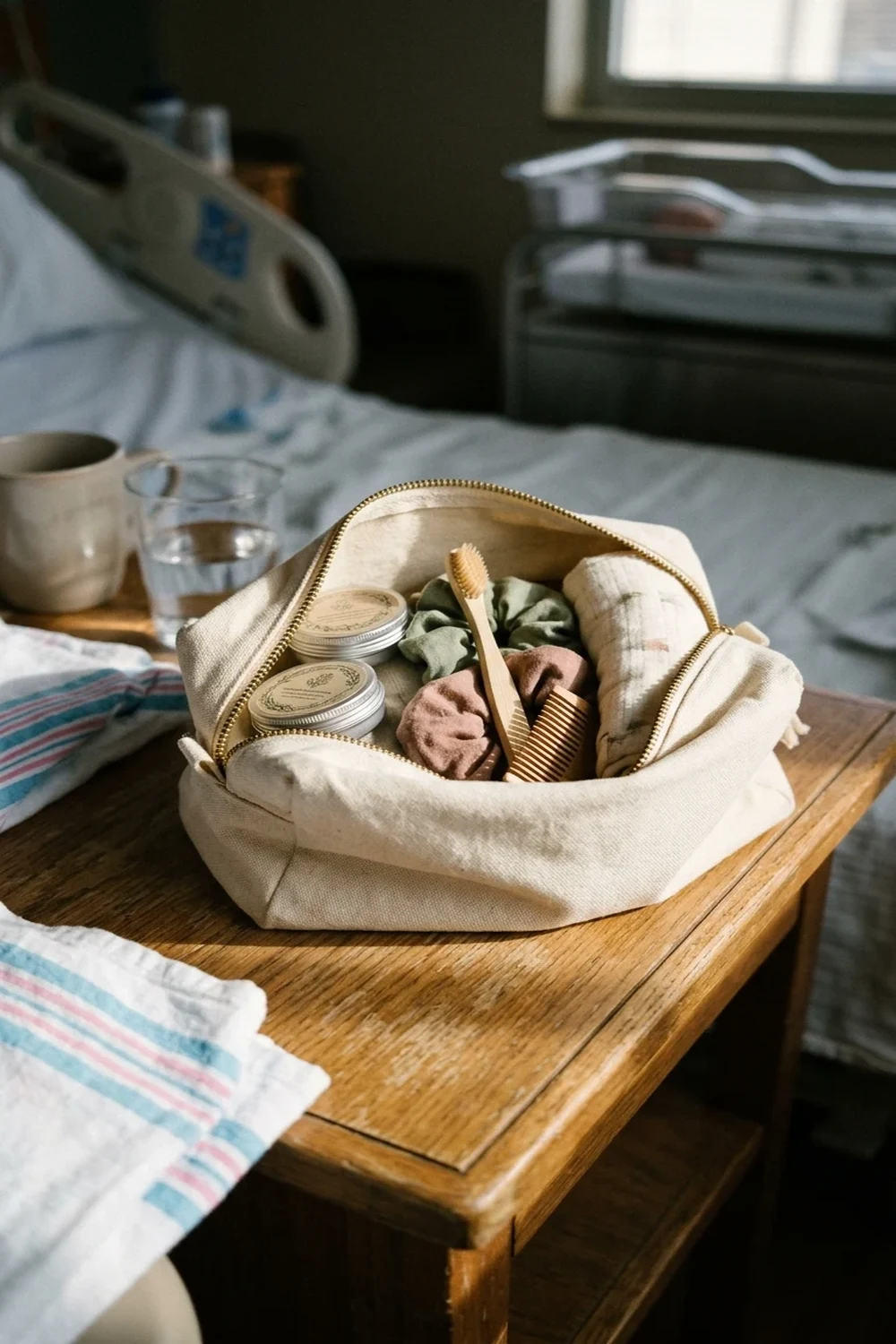
Essential Hospital Bag Toiletries for Labor and Postpartum Recovery
Packing dedicated personal toiletries ensures postpartum comfort and maintains personal hygiene in clinical recovery environments. Hospital labor and delivery units provide baseline amenities, but personal self-care items significantly improve physical recovery, hydration, and emotional well-being following birth.
- Hydrating Lip Balm: Clinical hospital HVAC systems deliver low humidity levels that accelerate lip cracking during deep labor breathing, making medical-grade lanolin or organic beeswax balms necessary for instant relief.
- Travel-Sized Cleansers: Gentle, unscented body wash and dry shampoo restore freshness quickly without requiring long shower sessions that exhaust healing postpartum bodies.
- Oral Care Kit: A compact toothbrush, fluoride toothpaste, and alcohol-free mouthwash eliminate dry-mouth sensations common after hours of labor hydration restrictions.
- Hair Management Tools: Soft elastic hair ties, silk scrunchies, and wide-tooth detangling combs secure hair comfortably away from the face during active pushing stages without creating scalp pressure points.
- Nipple Cream and Soothing Wipes: Natural organic nipple balms and gentle facial cleansing wipes provide immediate topical relief during initial lactation attempts without requiring immediate rinsing.

Miscellaneous Hospital Bag Essentials for Comfort and Practicality
Miscellaneous maternity packing items bridge the critical gap between sterile medical hospital supplies and domestic comfort. These functional accessories protect maternal mobility, support postpartum physical healing, and streamline routine ward routines throughout the multi-day hospital stay.
- Non-Skid Grip Socks: Hospital floors present cold, slick surfaces, making thick rubber-treaded socks or supportive indoor slippers vital for stable walking during early labor contractions.
- Waterproof Shower Slides: Slip-on silicone sandals protect healing feet against communal bathroom floor bacteria while providing slip-resistant footing inside recovery shower stalls.
- High-Waist Postpartum Underwear: Full-coverage cotton underwear or flexible disposable mesh briefs support large maternity pads securely without irritating abdominal incisions from unexpected Cesarean deliveries.
- Prescription Eyeglasses and Storage Case: Contact lenses dry out rapidly under continuous clinical airflow, requiring reliable prescription glasses with protective cases for clear vision during delivery.
- Soft Fabric Headbands: Wide stretch jersey headbands keep loose hair flat against the crown, preventing uncomfortable pins or clips from digging into the scalp during reclined hospital bed rest.

Why You Need an Ergonomic Breastfeeding Pillow in Your Delivery Bag
A supportive nursing pillow elevates the infant to breast height, removing strain from the maternal back, shoulders, and healing pelvic region. Standard hospital bed pillows flatten quickly under infant weight, complicating latch positioning during critical initial breastfeeding sessions.
- Optimized Latch Ergonomics: Firm nursing pillows position the newborn chest-to-chest at the exact nipple line, preventing awkward maternal slouching that causes neck stiffness and shallow infant latches.
- Incision Protection: Wrapping a structured nursing pillow around the waist creates an essential physical buffer that shields sensitive Cesarean incisions against accidental infant kicks.
- Arm and Shoulder Relief: Dense foam support surfaces bear the newborn baby’s weight entirely, eliminating muscle fatigue in maternal forearms during feeding cycles lasting 45 minutes.
- Versatile Post-Birth Support: Structured nursing cushions double as ergonomic lumbar supports behind the lower back while resting in upright hospital maternity beds.
- Hygienic Removable Cover: Bringing a wipeable or water-resistant zippered pillow slip ensures clean surface contact across unpredictable hospital bed environments.

Nutritious Snacks and Hydrating Drinks for Labor and Postpartum Recovery
Nutrient-dense labor snacks and electrolyte drinks replenish maternal glycogen reserves depleted during physical exertion while fueling early breast milk synthesis. Packing customized personal refreshments ensures round-the-clock nourishment when hospital cafeteria kitchens close overnight.
- High-Potency Electrolyte Packets: Rapid-dissolve mineral drink mixes restore vital sodium and potassium levels lost through sweat and labor breathing far faster than plain tap water.
- Insulated Reusable Straw Tumbler: Large double-walled stainless steel cups keep ice water freezing cold for 24 hours, while built-in flexible straws enable effortless drinking while lying flat.
- Sustained-Energy Protein Bars: Compact nut-and-seed snack bars deliver concentrated calories, healthy fats, and protein without generating digestive upset during early labor phases.
- Digestive Dried Fruits: Dried apricots, prunes, and pitted dates offer quick natural carbohydrates while delivering dietary fiber that supports gentle, normal bowel function postpartum.
- Whole-Grain Crackers and Nut Butter: Individual squeeze packs of almond or peanut butter paired with complex carbohydrates stabilize maternal blood sugar across demanding recovery hours.
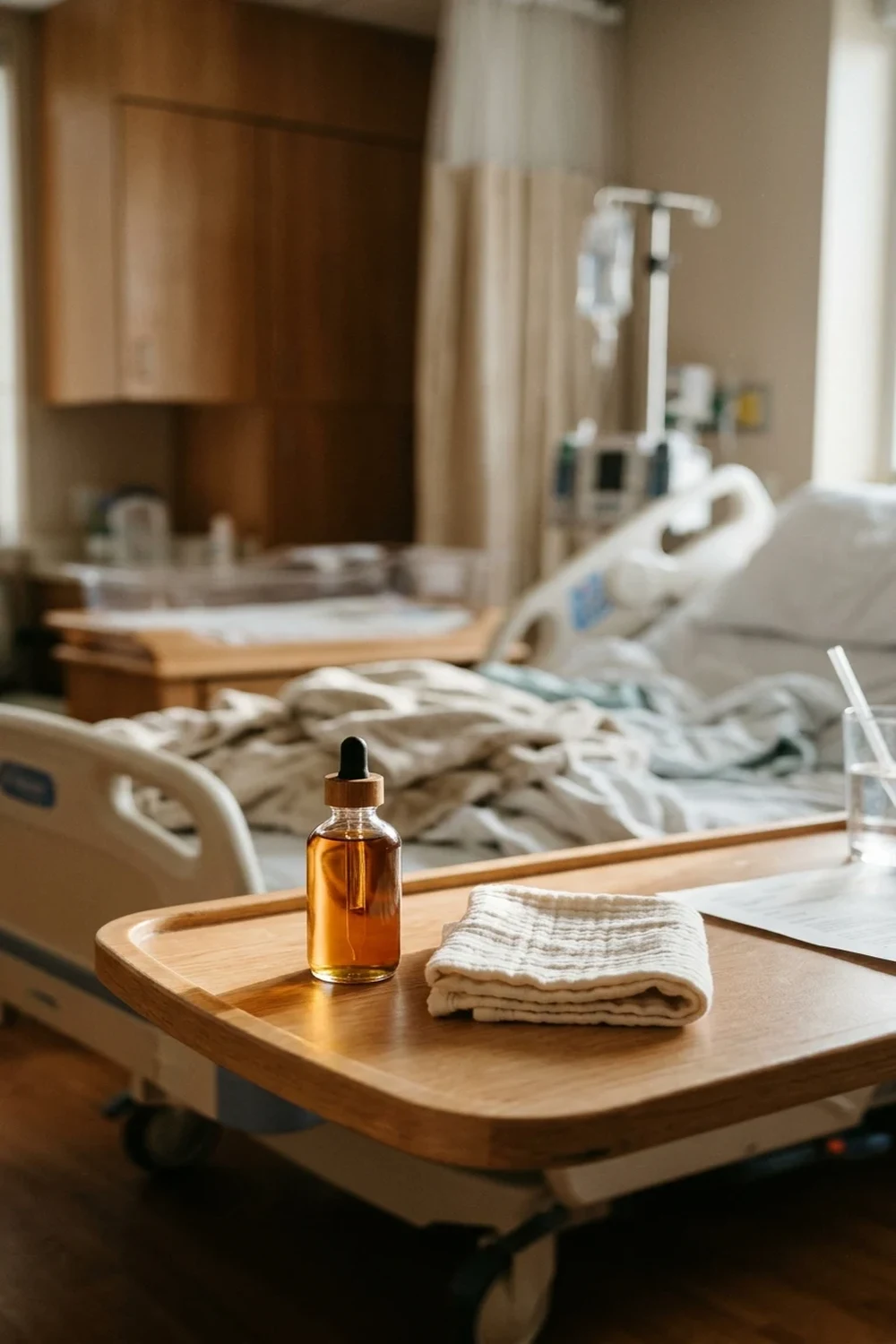
Why Packing Massage Oil or Natural Lotion Transforms Labor Comfort
Packing massage oil or soothing lotion provides vital physical relief and stress reduction during active labor. Research shows that targeted touch therapy significantly decreases labor pain perception and calms maternal anxiety during contractions. Having your partner or birth doula apply firm counterpressure with a nourishing emollient helps ease intense lower back ache and promotes vital oxytocin release throughout cervical dilation.
- Lower Back Counterpressure: Deep sacral massage with unscented plant oils eases severe back labor discomfort during difficult transition phases.
- Sensory Aromatherapy Caution: Mild lavender or sweet orange scents encourage deep calm, but choosing unscented alternatives prevents nausea during heightened labor sensitivity.
- Targeted Muscle Relaxation: Steady shoulder and neck strokes between contraction waves prevent tension build-up and physical fatigue.
- Non-Greasy Botanical Formulas: Fast-absorbing jojoba, sweet almond, or shea butter bases nourish skin without leaving slippery residues on medical monitoring belts.
- Partner Support Engagement: Hands-on massage gives birth partners a practical, focused method to provide continuous physical comfort in the delivery room.

How Nourishing Lip Balm Combats Dry Hospital Air During Labor
A deeply hydrating lip balm is an essential hospital bag item to counter dry hospital room air and constant mouth-breathing. Labor breathing techniques and low hospital humidity levels strip moisture from delicate lip tissues within hours of admission. Keeping an ultra-rich, lanolin- or beeswax-based balm within arm’s reach ensures long-lasting hydration, prevents painful skin cracking, and keeps you feeling comfortable and refreshed through delivery.
- Low-Humidity Air Protection: Medical HVAC filtration systems maintain humidity levels below 30%, which rapidly accelerates epidermal dehydration.
- Deep Breathing Dehydration Defense: Rhythmic open-mouth breathing during intense contractions dries lips far faster than normal daily respiration.
- Long-Lasting Barrier Sealants: Formulations rich in medical-grade lanolin, pure beeswax, or raw shea butter lock in moisture without requiring hourly reapplication.
- Flavorless and Scent-Free Comfort: Odorless options prevent sensory aversion or sudden nausea triggered by heavy artificial flavorings during active labor.
- Instant Postpartum Relief: A quick swipe of rich balm immediately restores lip suppleness during early skin-to-skin bonding and postpartum recovery.
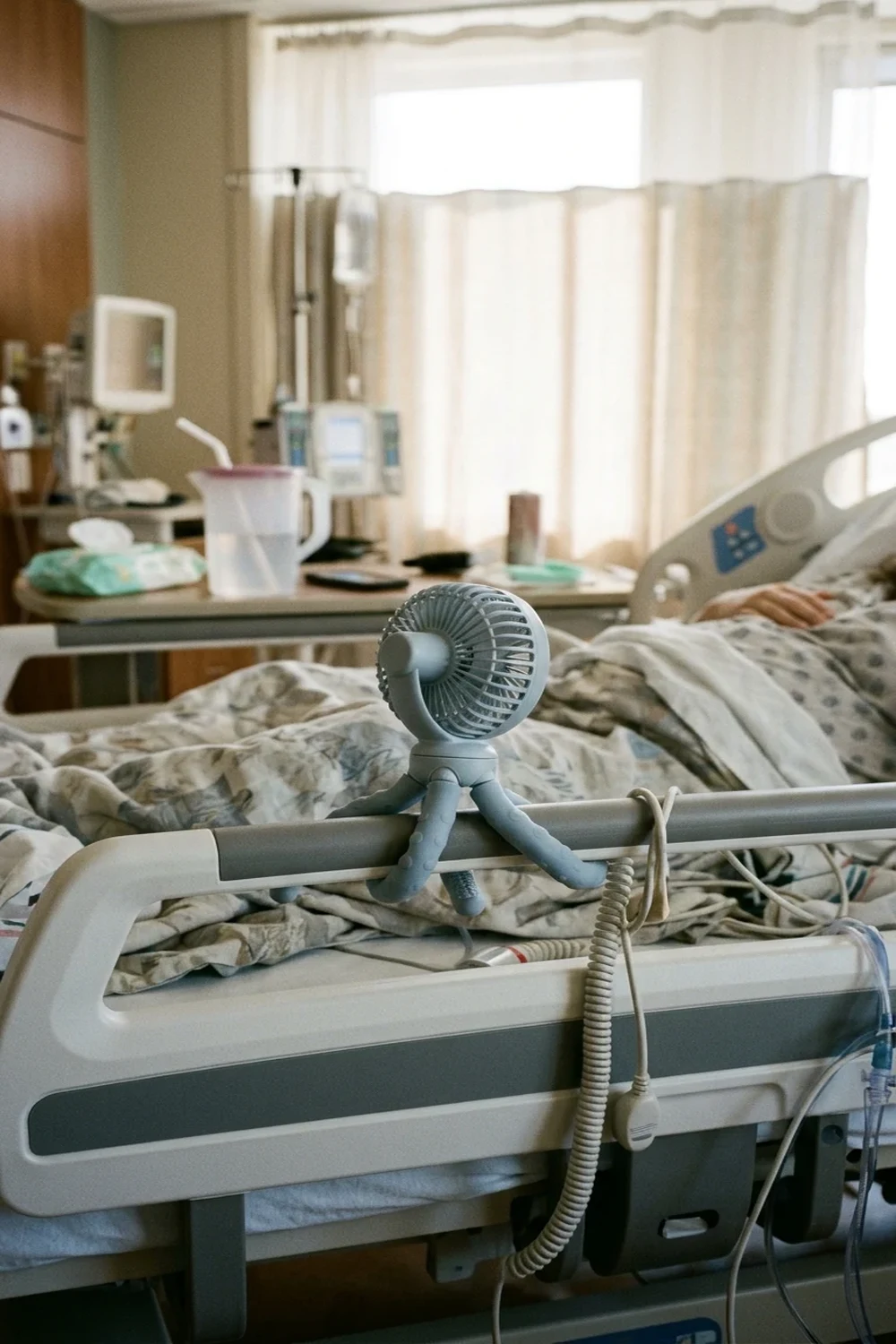
Why a Small Portable Fan Is a Must-Have for Labor Hot Flashes
A small portable fan provides immediate temperature regulation when sudden labor hot flashes and intense physical exertion peak. Hormonal surges combined with strenuous uterine contractions frequently trigger overwhelming waves of internal body heat during transition and pushing. Placing a compact, rechargeable fan near the hospital bed delivers continuous cool airflow directly to the mother’s face and neck, significantly boosting comfort and stamina.
- Hormonal Temperature Control: Swift cooling airflow directly counters intense facial flushing triggered by fluctuating progesterone and estrogen levels.
- Flexible Stork-Leg Mounting: Pliable silicone tripod arms attach firmly to delivery bed railings, IV poles, or bedside tables without wobbling.
- Whisper-Quiet Operation: Low-decibel brushless motors deliver strong cooling without disrupting calming music playlists or fetal heart monitor readings.
- Long Battery Endurance: High-capacity rechargeable lithium batteries keep airflow running for 8 to 16 hours without requiring immediate electrical wall plugs.
- Targeted Partner Assistance: Handheld maneuverability lets support partners angle targeted cool air exactly where relief is needed most during pushing intervals.

Best Charging Cables and Extra-Long Phone Chargers for Hospital Stays
An extra-long phone charger cable spanning 10 feet ensures uninterrupted mobile device use from any hospital bed. Standard two-foot cords rarely reach maternity room power outlets, which are commonly placed behind heavy equipment or across clinical headwalls. Bringing extended charging cords and high-capacity portable power banks keeps phones fully powered for vital contraction timing, birth announcements, and capturing your newborn’s first photographic memories.
- Ten-Foot Braided Reach: Ten-foot charging cables comfortably cross clinical delivery room gaps between wall sockets and adjustable hospital beds.
- Braided Durability Standards: Heavy-duty nylon braiding protects cable integrity against bed wheel pinches and frequent room relocations.
- Dual Fast-Charging Adapters: Multi-port USB-C wall plugs charge both maternal and partner smartphones simultaneously from a single available socket.
- High-Capacity Power Banks: A 10,000 to 20,000 mAh portable battery pack guarantees phone power during labor triage checks when wall outlets remain inaccessible.
- Uninterrupted Communication Setup: Continuous power access supports contraction tracking apps, calming audio playback, family video calls, and essential birth photography.
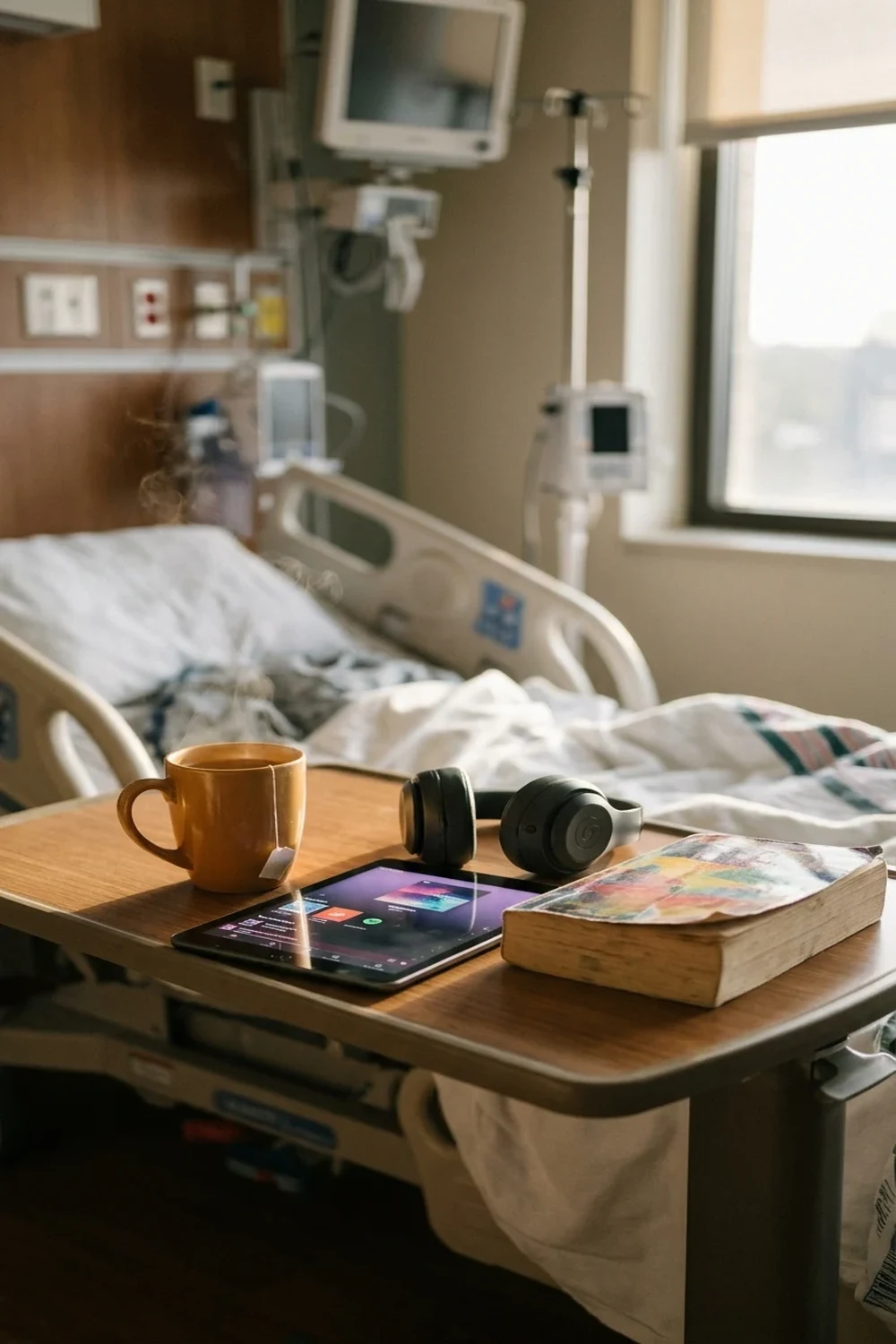
12. Entertainment Options for Labor and Postpartum Recovery
Packing versatile entertainment options keeps your mind calm, reduces stress hormones, and passes time during early labor or quiet postpartum recovery windows.
- Noise-Canceling Headphones: Wireless earbuds or over-ear headphones block ambient hospital hallway monitor chimes, medical cart noises, and shift change chatter.
- Pre-Downloaded Media Library: Offline movies, comedy series, relaxing music playlists, and guided hypnobirthing audio tracks ensure uninterrupted streaming despite patchy hospital Wi-Fi signals.
- Tablet or E-Reader: A backlit digital reading tablet loaded with light novels or digital magazines allows comfortable one-handed reading during late-night feeding sessions.
- Low-Effort Puzzle Books: Physical crosswords, word search pads, or sudoku journals provide soothing mental engagement that requires zero screen glare or battery power.

Baby’s Hospital Bag Checklist: Essential Newborn Gear
A dedicated newborn hospital bag ensures your baby stays warm, comfortable, and properly outfitted from delivery room assessments through the first car ride home.
- Layered Clothing Staples: Three to four soft cotton undershirts, footed sleepers, and kimono tops allow seamless diaper checks while maintaining infant core body temperature.
- Safe Swaddle Blankets: Two breathable organic muslin wraps or hook-and-loop swaddles recreate womb-like security and prevent startle reflex wakeups in hospital bassinets.
- Infant Feeding Supplies: Specialized nipple creams, colostrum collection vials, or preferred newborn bottles support early nutritional transitions regardless of chosen infant feeding methods.
- Newborn Grooming Essentials: Soft-bristled baby hairbrushes, hypoallergenic alcohol-free water wipes, and soft fabric nail files protect sensitive skin and prevent accidental scratches.
- Installed Infant Car Seat: A certified rear-facing newborn car seat properly inspected and installed in your vehicle fulfills mandatory hospital discharge safety clearance protocols.
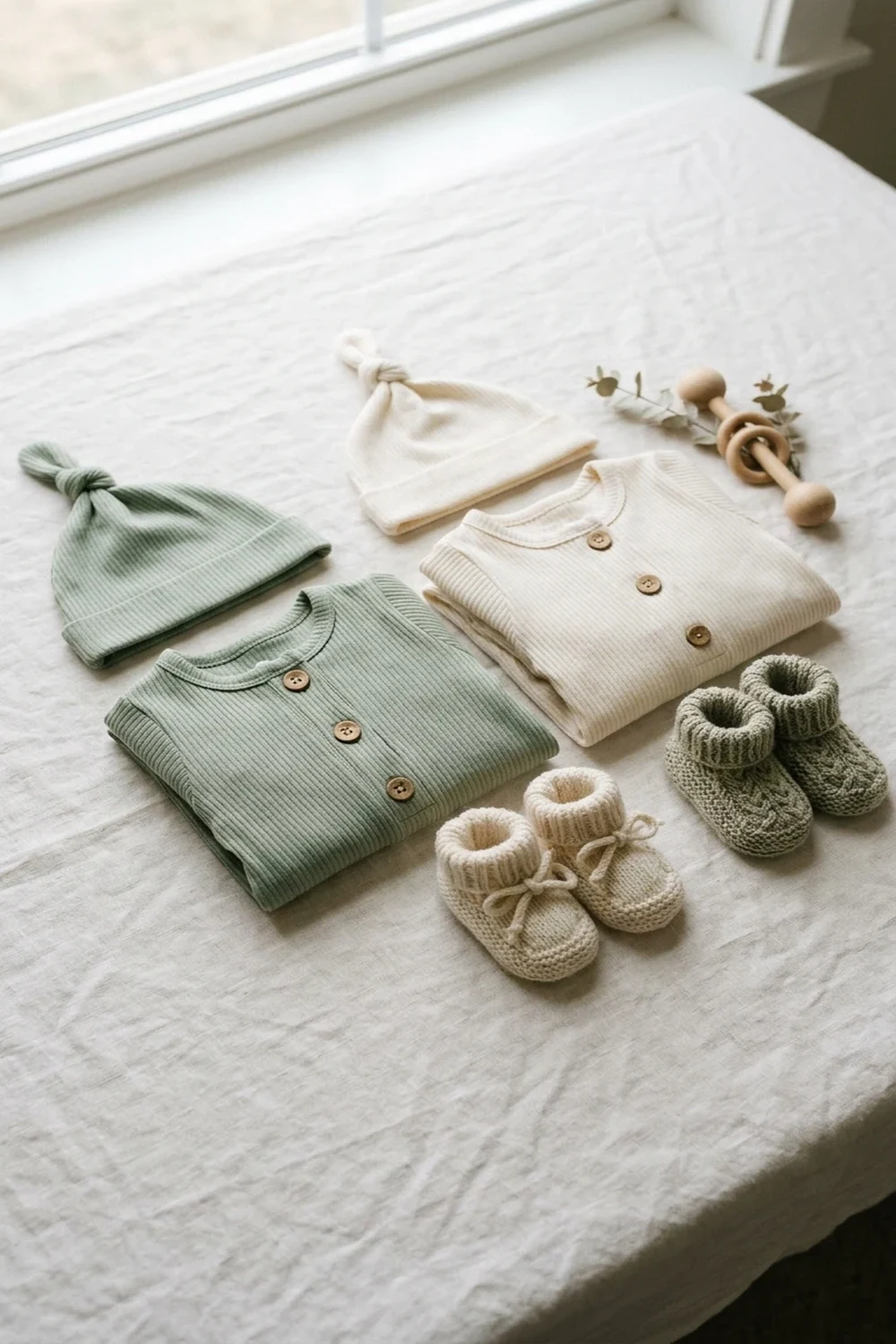
1. Baby Going Home Outfit: Sizing, Fabrics, and Safety
The ideal baby going home outfit combines breathable natural fabrics, car seat harness compatibility, and dual-size redundancy to fit your newborn’s unknown birth weight.
- Dual-Size Strategy: Packing one newborn size (up to 8 pounds) and one 0-3 month size (up to 12 pounds) guarantees an accurate fit regardless of birth measurements.
- Car Seat Harness Compatibility: A footed one-piece jumpsuit or separate top-and-pants set allows the five-point safety harness crotch buckle to sit flush against the infant body.
- Pure Organic Cotton Fabrics: Certified OEKO-TEX or GOTS organic cotton interlock knit protects sensitive neonatal skin from chafing, synthetic friction, or allergic contact dermatitis.
- Two-Way Front Zippers: Full-length inverted double zippers enable rapid emergency diaper changes at discharge without exposing your baby’s chest to drafty corridors.
- Seasonal Outer Layering: A separate soft receiving blanket tucked firmly over the buckled harness keeps winter newborns warm without violating car seat thickness safety standards.

2. Onesies and Sleepsuits: Core Newborn Wardrobe Essentials
Packing four to six newborn onesies and sleepsuits delivers essential temperature regulation, effortless medical monitoring access, and rapid relief during frequent diaper blowouts.
- Kimono-Style Side Snaps: Cross-over wrap bodysuits eliminate the anxiety of pulling fabric collars over an infant’s fragile head and preserve healing umbilical cord clamps.
- Fold-Over Scratch Mitt Cuffs: Built-in sleeve mittens shield delicate facial skin from sharp newborn fingernails without requiring separate elastic wristbands that slip off.
- Two-Way Zippered Sleepsuits: Dual-sliding diagonal zippers grant instant lower-half diaper access while keeping the baby’s chest warm and securely swaddled.
- Breathable Ribbed Fabrics: Thermoregulating bamboo viscose and modal cotton blends wick sweat in warm postpartum wards while insulating against chilly nursery air conditioning.
- Closed Footed Sleeper Designs: Integrated elasticized footies eliminate the need for infant socks, which frequently loosen and slide off active kicking newborn feet.
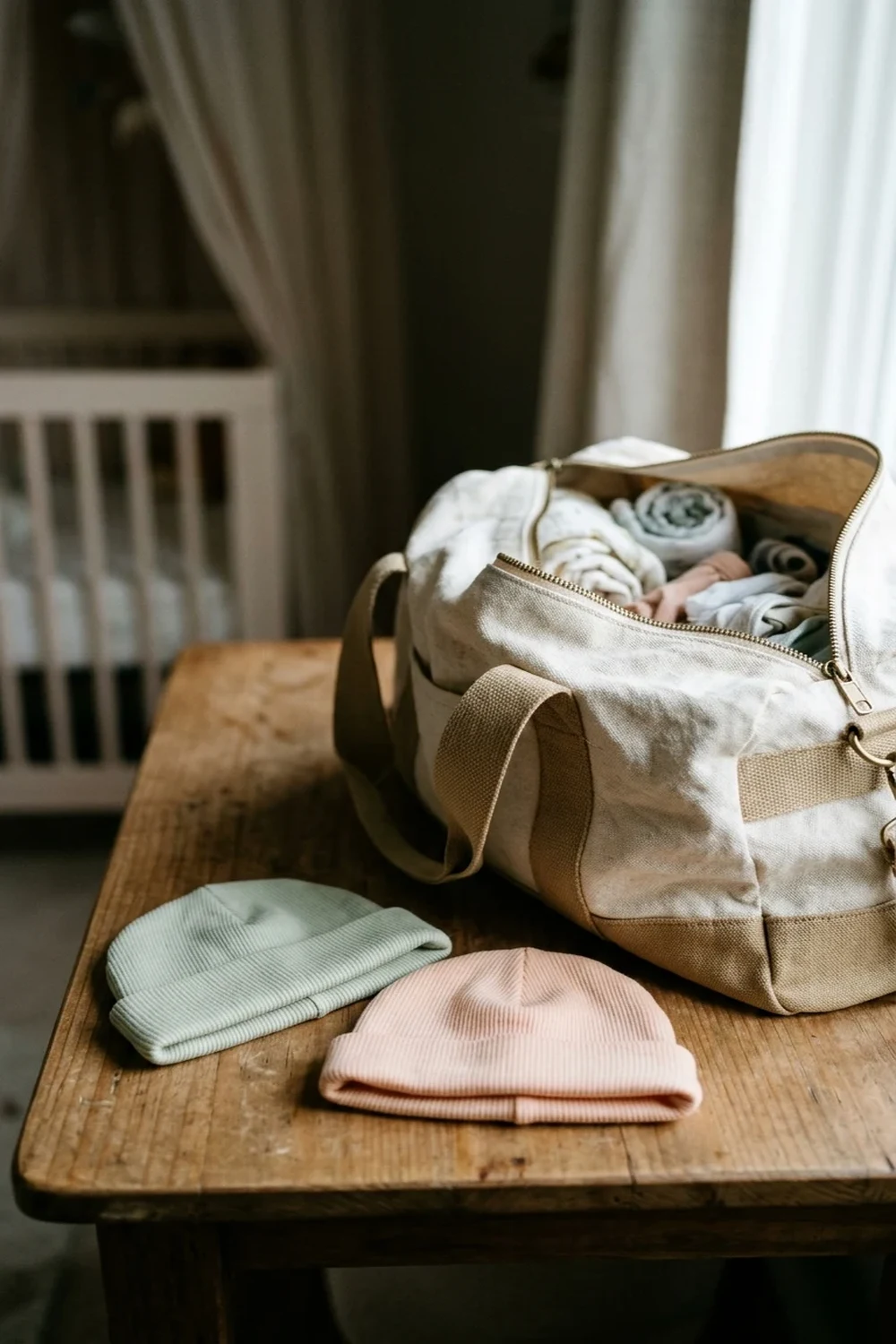
Newborn Beanie and Hospital Hat Essentials for Infant Warmth
A newborn beanie is a specialized infant head covering designed to prevent rapid body heat loss through the scalp in the first 48 hours after delivery. While maternity wards routinely issue standard stockinette caps, bringing your own 100% organic cotton beanie ensures a snug, non-irritating fit that stays secure during skin-to-skin contact and the journey home.
- Thermal Regulation Anchor: Newborns lose up to 20% of their heat through their heads, making a fitted hat critical for maintaining core temperature immediately after birth.
- Fabric Breathability: Choose breathable ribbed organic cotton or bamboo over synthetic fleece to prevent overheating and contact dermatitis on sensitive scalps.
- Pack Count: Pack two freshly washed hats (one newborn size and one 0-3 month size) to accommodate varying birth head circumferences.
- Knot-Top Adjustability: Opt for adjustable knot beanies that allow customized height sizing to keep fabric safely away from your infant’s airway.

Scratch Mittens for Protecting Delicate Newborn Skin
Newborn scratch mittens are soft fabric hand coverings engineered to shield an infant’s face and eyes from inadvertent scratches caused by sharp, paper-thin fingernails. Because newborns possess active involuntary startle reflexes and cannot yet control their motor coordination, protective cotton mitts prevent facial micro-abrasions before you can safely trim their nails.
- Facial Skin Protection: Sharp fetal fingernails easily lacerate delicate newborn skin during sudden startle reflexes, making gentle cotton barriers essential during the first week.
- Gentle Elastic Cuffs: Verify that mitten wrists feature soft, non-binding ribbed elastic cuffs that stay on without constricting infant circulation or leaving pressure rings.
- Alternative Built-In Cuffs: Select newborn sleepers with integrated fold-over mitten cuffs to eliminate the risk of loose gloves slipping off inside the hospital bassinet.
- Pure Breathable Cotton: Ensure mitt fabrics contain chemical-free cotton knits to maintain comfort if your baby roots or mouths against their hands.
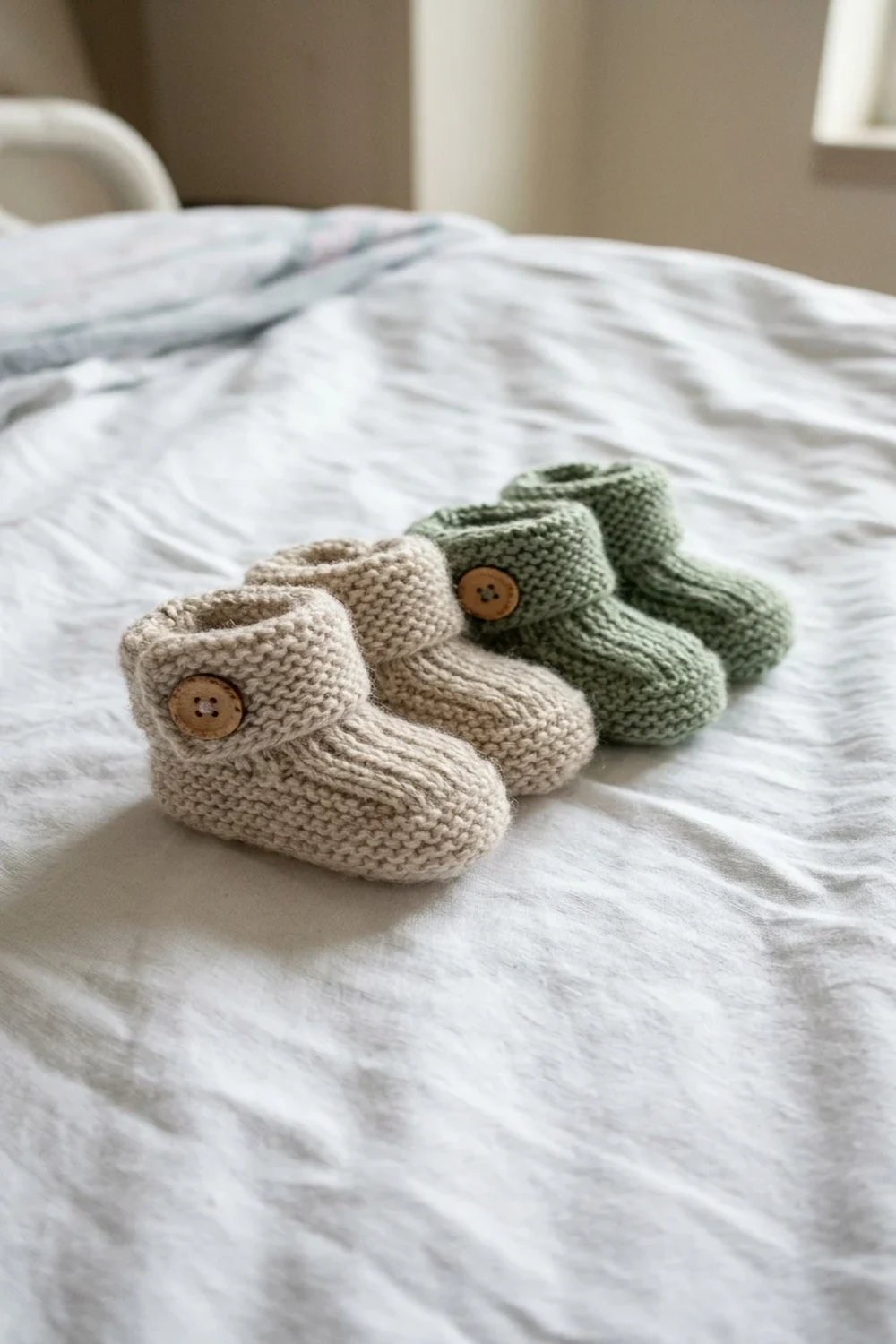
Newborn Socks and Booties for Foot Temperature Regulation
Infant socks and stay-on booties are dedicated newborn footwear pieces designed to regulate peripheral circulation and keep fragile feet warm in chilled clinical recovery rooms. A newborn’s circulatory system naturally directs blood toward vital organs first, meaning cold hands and feet (acrocyanosis) require an extra thermal layer when navigating drafty hospital hallways and the car trip home.
- Acrocyanosis Mitigation: Newborn peripheral blood vessels take several days to mature, making insulated foot coverings necessary to maintain stable foot warmth.
- Stay-On Fasteners: Choose booties with adjustable snap straps or elasticated ankles to prevent them from sliding off active kicking feet.
- Seamless Knit Construction: Look for smooth, flat-toe seams to prevent abrasive rubbing against sensitive infant toes and delicate nail beds.
- Two-to-Three Pair Quantity: Pack three pairs of snug newborn socks to manage unexpected diaper blowouts or temperature variations across hospital wards.

Warm Blankets for Safe Hospital Discharge and Travel
A warm receiving blanket is an essential infant textile designed to provide insulated exterior warmth without compromising infant safety in a car seat during hospital discharge. Because pediatric safety guidelines strictly prohibit bulky snowsuits or thick outerwear beneath five-point car seat harnesses, parents must pack a designated warm blanket to tuck over the buckle after securing their newborn.
- Car Seat Safety Compliance: Tuck thermal blankets over the buckled car seat harness rather than under the baby to ensure a secure, uncompromised safety fit.
- Layering Versatility: Bring a dual-layer cellular cotton blanket or waffle-knit wrap that traps ambient body heat while allowing adequate airflow.
- Clean Barrier Function: Use your blanket as an extra hygienic buffer across hospital bassinets, nursing chairs, and stroller surfaces.
- Pack Placement Tip: Store the primary discharge blanket in your dedicated car seat carrier rather than crowding valuable space inside your personal delivery duffle.
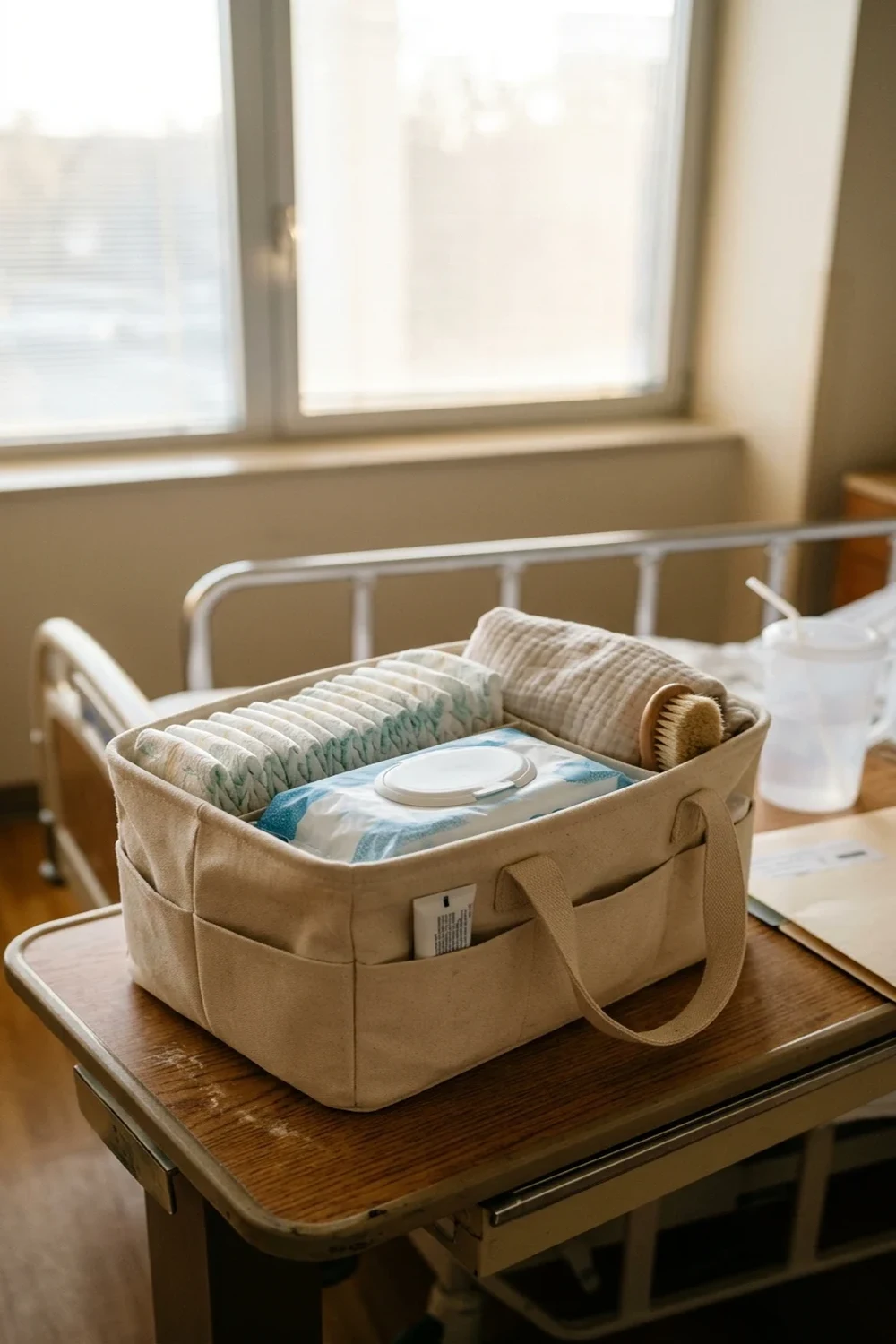
Diapers and Wipes for Newborn Care in the Hospital
Packing newborn diapers and gentle wipes ensures your infant stays clean, comfortable, and protected from diaper rash from the first hour after birth. While most maternity wards supply standard hospital-issue diapers, bringing your preferred hypoallergenic brand guarantees sensitive skin compatibility and eliminates guesswork during unexpected room delays.
- Hospital Provision vs. Personal Stock: Most medical centers provide basic diapers, yet having your dedicated pack ensures immediate access to preferred organic or chemical-free materials.
- Newborn Sizing Strategy: Pack approximately 10 to 12 newborn-size diapers, alongside a small sleeve of size-one diapers in case your baby arrives weighing more than eight pounds.
- Navigating Sticky Meconium: Newborns pass thick, tar-like meconium stools during the initial 48 hours, requiring extra-gentle, high-moisture diaper wipes to cleanse delicate skin without causing friction.
- Umbilical Cord Notch Design: Specialized newborn diapers feature a cut-out front notch designed specifically to prevent irritation against the healing umbilical stump.
- Fragrance-Free Formulation: Selecting unscented, hypoallergenic wipes formulated with 99% pure water protects the fragile epidermal barrier of a newborn infant.

Pediatrician Contact Information and Newborn Discharge Forms
Having your chosen pediatrician’s contact information readily accessible is mandatory for completing postpartum hospital discharge paperwork and arranging timely newborn checkups. Hospital staff require your pediatrician’s office phone number, medical group name, and fax coordinates prior to discharge so newborn screening results and medical charts can be transferred seamlessly.
- Mandatory Discharge Clearance: Delivery wards require a confirmed pediatrician name and office contact before authorizing mother and newborn hospital departure.
- Three-to-Five-Day Follow-Up Window: Pediatric medical guidelines recommend your infant receive an initial comprehensive checkup within 48 to 72 hours of hospital discharge.
- Electronic Health Record Transfer: Providing complete office fax and contact details enables hospital pediatricians to transmit newborn blood-spot screenings and hearing test results directly.
- Insurance Pre-Verification: Storing your pediatrician’s office number on your mobile phone and written paper cards ensures prompt newborn health insurance policy enrollment.
- Immediate Access to On-Call Advice: Having direct clinic numbers ready allows immediate communication with registered pediatric nurses regarding early newborn feeding questions or jaundice concerns.
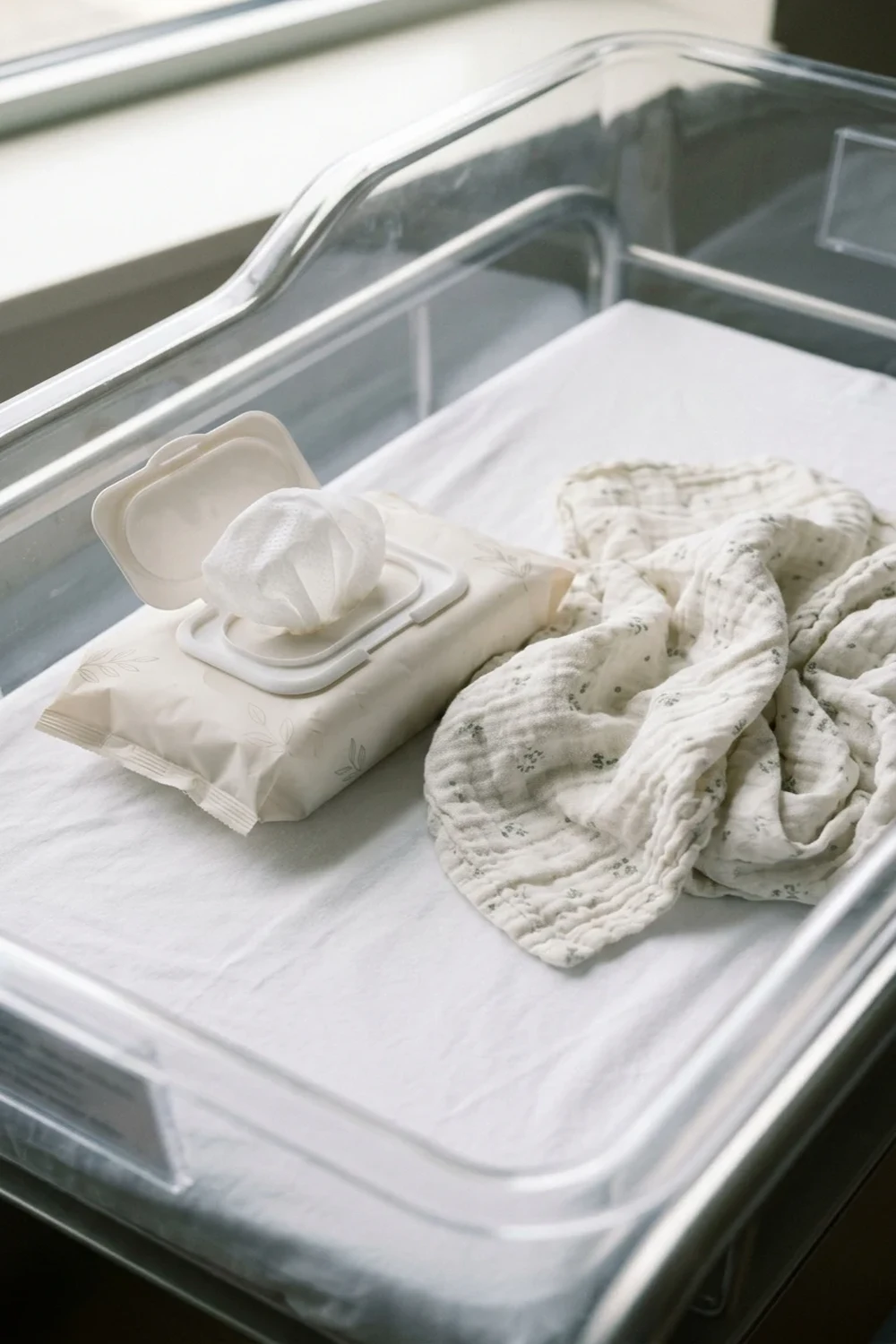
Gentle Wet Wipes for Sensitive Baby Skin and Cleanups
Hypoallergenic wet wipes are indispensable postpartum tools designed to clean delicate newborn skin, sanitize maternal hands, and manage sudden nursery messes. Packing premium, fragrance-free wipes gives parents peace of mind, ensuring that rapid post-birth cleanups remain safe for both the infant’s skin barrier and sensitive recovery areas.
- High-Purity Water Formulas: Premium newborn wet wipes formulated with 99% purified water and organic fruit extract prevent contact dermatitis on fragile infant bottoms.
- Multi-Purpose Utility: Clean wipes serve double duty for maternal hand hygiene, wiping breast milk dribbles, and freshening up between postpartum clinical checks.
- Meconium-Ready Cleansing: Soft, textured fabric wipes glide smoothly over newborn skin, dissolving stubborn meconium without requiring aggressive rubbing.
- Zero Harsh Additives: Selecting wet wipes completely free from parabens, phthalates, synthetic fragrances, and alcohol safeguards the natural infant skin pH balance.
- Convenient Flip-Top Dispensers: Plastic flip-top closures prevent moisture loss in dry hospital rooms and allow one-handed wipe extraction during late-night diaper changes.

Portable Sound Machine for Calming Newborn Hospital Sleep
A portable sound machine produces consistent acoustic masking that soothes newborns by recreating the familiar auditory hum of the womb inside a noisy hospital room. Maternity units experience constant acoustic interruptions from telemetry alarms, shift changes, and corridor carts, making a compact white noise generator an essential tool for uninterrupted infant sleep.
- Womb-Acoustic Re-Creation: Rhythmic brown noise or womb heartbeat sounds mimic intra-uterine blood flow, instantly reassuring agitated newborns during their first nights.
- Masking Hospital Disruptions: Continuous ambient sound blocks sharp auditory spikes caused by squeaking wheeled carts, closing corridor doors, and clinical monitor beeps.
- Cordless Rechargeable Functionality: Battery-powered portable sound machines attach easily to bassinet rails without requiring access to distant hospital wall outlets.
- Partner and Maternal Rest: Soothing ambient acoustics simultaneously promote deeper, restorative sleep intervals for recuperating mothers and supportive birth partners.
- Safe Decibel Management: Maintaining playback levels below 50 decibels at a distance of six feet protects delicate newborn auditory pathways while optimizing sound masking.

Dad and Partner Hospital Bag Checklist: Essential Gear for Labor Support
Packing a dedicated hospital bag for the dad or birth partner ensures non-stop physical comfort, active endurance, and reliable support throughout labor and postpartum recovery.
- Dedicated Duffel Setup: Use an organized 30-to-40 liter travel bag packed separately from the birthing mother’s luggage so critical supplies remain instantly accessible during active labor.
- Hydration and Fuel Depot: Stash high-protein snacks, electrolyte packets, and a reusable insulated tumbler to maintain stamina during labor stretches that frequently exceed 12 to 24 hours.
- Physical Support Gear: Include supportive athletic shoes and recovery essentials so the birth partner can comfortably provide counter-pressure, walking support, and hands-on comfort measures.
- Digital and Documentation Readiness: Pack digital devices, charging cables, essential identification, and payment methods to handle hospital admissions, family notifications, and cafeteria runs without delay.
- Proactive Rest Provision: Bring designated sleep items to ensure the partner catches restorative micro-sleeps on standard maternity room pull-out chairs.

1. Comfortable Clothing for Dads and Birth Partners
Comfortable clothing for the birth partner should prioritize breathable layers, soft stretch fabrics, and slip-resistant footwear to accommodate changing hospital room temperatures and active labor demands.
- Layered Breathable Tops: Pack two to three breathable cotton or merino wool t-shirts along with a zippered hoodie to quickly adjust between warm delivery rooms and cold recovery wards.
- Stretchy Lounge Pants: Choose lightweight joggers or sweatpants with deep pockets to carry phones and room keys while assisting with position changes.
- Ample Underwear and Socks: Include three complete changes of moisture-wicking underwear and cushioned crew socks to stay fresh through unexpectedly long labor inductions.
- Supportive Walking Shoes: Wear broken-in athletic sneakers suitable for standing on hard linoleum floors and walking hospital corridors for hours.
- Shower-Safe Slides: Pack water-resistant slip-on sandals or flip-flops for assisting with labor showers, hydrotherapy tubs, and navigating shared bathroom floors.
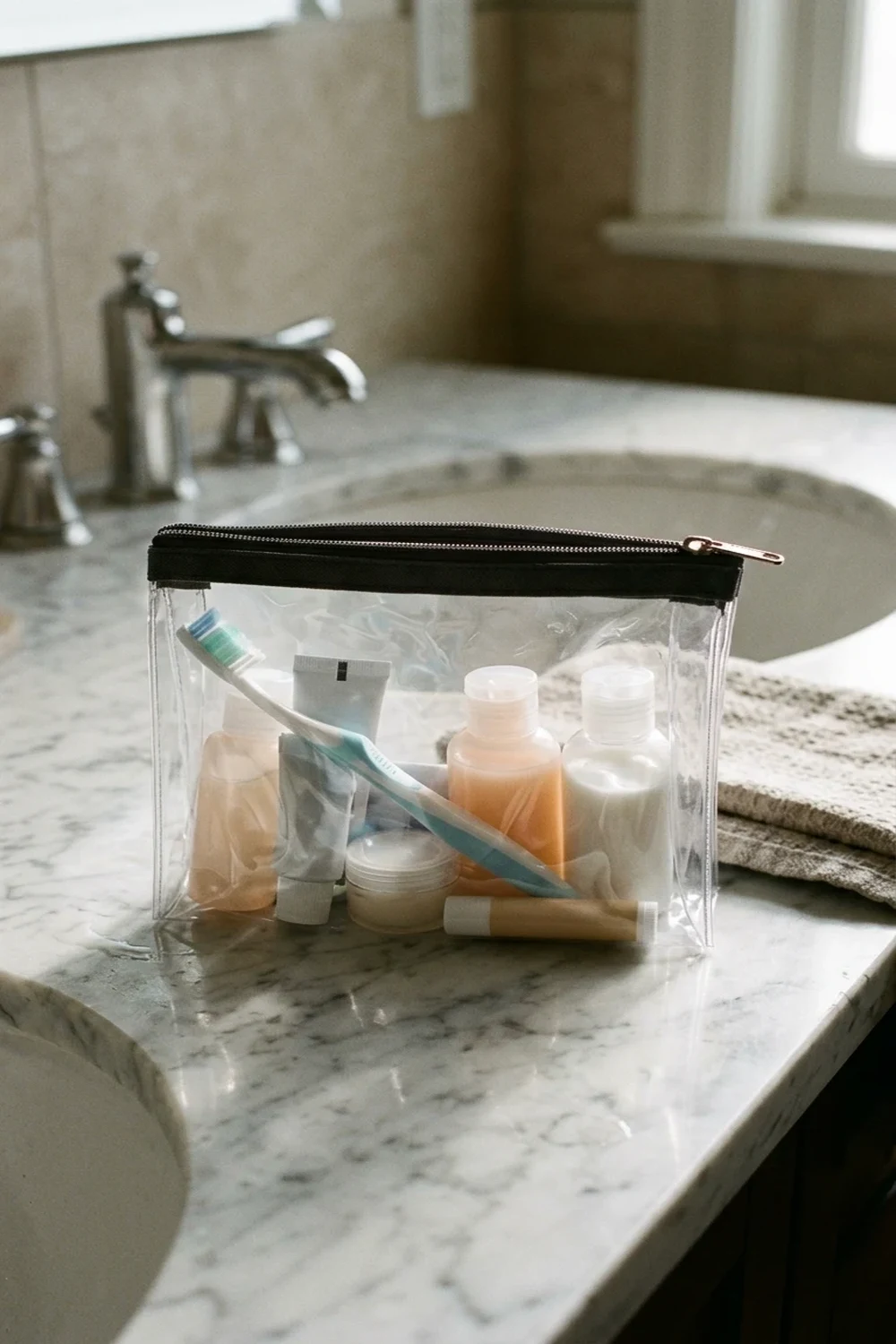
2. Essential Toiletries for the Partner Hospital Bag
Packing personal toiletries allows the birth partner to maintain proper personal hygiene and alertness during exhausting hospital stays that routinely last 48 to 72 hours.
- Oral Care Essentials: Bring a travel toothbrush, fluoridated toothpaste, and breath mints to stay refreshed before close-contact breathing coaching and first newborn bonding moments.
- Unscented Deodorant and Body Wash: Choose travel-sized, fragrance-free body wash and natural deodorant to avoid overwhelming sensory sensitivities in the laboring mother and newborn baby.
- Moisturizing Face Wash and Lip Balm: Include hydrating facial moisturizer and petroleum-free lip balm to combat dry, air-conditioned hospital air.
- Fast-Action Eye Drops and Glasses: Pack lubricating saline eye drops and backup prescription eyeglasses to relieve eye strain caused by dry rooms and overnight awake periods.
- Compact Grooming Kit: Stash a small grooming kit containing nail clippers, facial wipes, and a quick-dry microfiber hand towel for rapid freshening up between contractions.
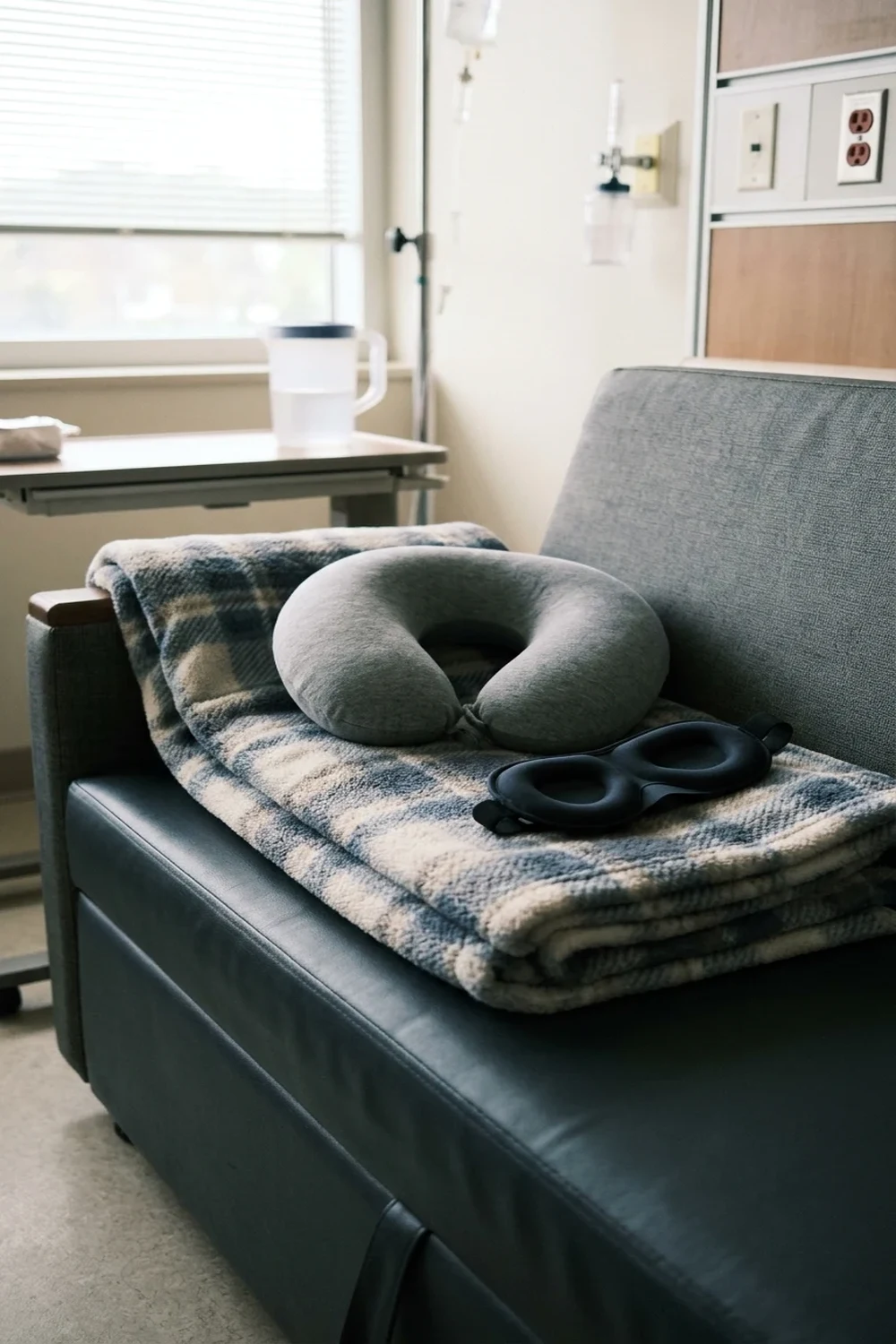
3. Sleeping Essentials for Birth Partners in Delivery and Postpartum Rooms
Bringing dedicated sleeping essentials transforms standard, firm hospital recliner chairs and fold-out vinyl couches into a viable rest station for the birth partner.
- Full-Sized Personal Pillow: Bring a home pillow with a patterned, non-white pillowcase to prevent hospital laundry mix-ups and ensure neck support on stiff couches.
- Warm Fleece Throw Blanket: Pack a compact plush throw blanket or packable travel quilt to stay warm under aggressive air conditioning without requesting scarce hospital linens.
- Contoured Blackout Eye Mask: Use a padded memory foam eye mask to block constant clinical hallway lighting, nurse checks, and equipment monitors during daytime naps.
- Silicone Noise-Reducing Earplugs: Keep high-grade soft earplugs on hand for resting during non-critical downtimes while medical machinery hums continuously in the background.
- Compact Travel Neck Pillow: Carry a supportive memory foam neck pillow for resting comfortably in upright bedside chairs while remaining immediately available to help.
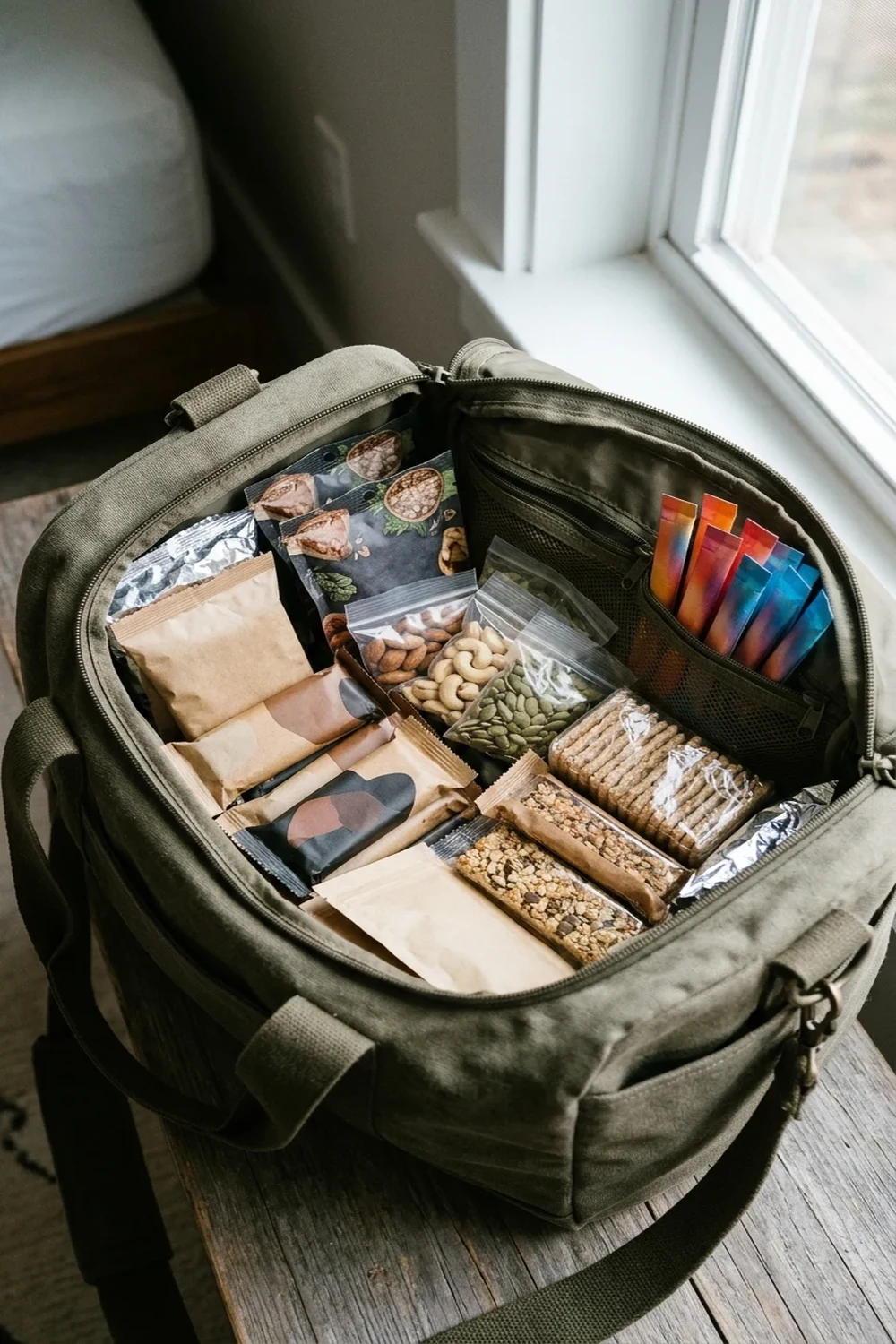
4. Snacks and Drinks: Sustained Energy for Long Labors
Packing nutrient-dense snacks and electrolyte drinks guarantees that birth partners maintain stamina without abandoning the labor room during unpredictable delivery hours. Hospital cafeterias frequently close overnight, leaving laboring families dependent on whatever nourishment they brought along.
- Protein-Dense Bars: Pack nut butter bars and trail mix with pumpkin seeds to deliver steady glucose levels without insulin spikes.
- Electrolyte Powders: Bring single-serve electrolyte packets containing sodium and potassium to combat dry labor ward dehydration.
- Easily Digestible Carbohydrates: Include dried apricots, organic fruit strips, and whole-wheat crackers for fast gastric emptying.
- Odorless Refreshments: Select mild items like string cheese and pretzels that will not trigger maternal nausea during active contractions.

5. Tech and Entertainment: Essential Devices and Long Charging Cables
Packing designated electronics and extended cables ensures continuous communication, labor coaching apps, and relaxation media through long induction phases. Medical room electrical outlets are routinely positioned several feet behind delivery beds, making standard telephone cords virtually unusable.
- Ten-Foot Charging Cables: Utilize braided ten-foot USB cables to reach hospital beds from distant wall receptacles comfortably.
- High-Capacity Power Bank: Carry a 20,000 milliampere-hour external battery to supply backup power during inter-room transfers.
- Noise-Isolating Headphones: Use over-ear wireless headphones to buffer sudden hallway alerts and medical monitor chirps during rest intervals.
- Pre-Downloaded Media Tablet: Load offline playlists, birth meditation audio, and streaming series ahead of hospital check-in to bypass spotty Wi-Fi networks.

6. Reusable Water Bottle: Maintaining Hydration in Arid Hospital Air
A large insulated reusable water bottle with an integrated straw provides rapid, one-handed hydration in climate-controlled labor and postpartum rooms. Standard medical paper cups hold under six ounces and spill easily during bedside movements.
- Integrated Straw Lid: Select a bottle featuring a flip-up straw so partners can hydrate laboring mothers from any angle.
- Double-Wall Vacuum Insulation: Choose stainless steel vacuum-insulated flasks that keep ice intact across 24 hours of labor.
- Wide-Mouth Construction: Opt for wide-rim bottles that permit fast refills at hospital ice nugget dispensers.
- Thirty-Two Ounce Capacity: Utilize large volumetric flasks to reduce repeated partner trips down hospital corridors to hydration stations.

7. Cash for Vending Machines: Small Bills for After-Hours Runs
Carrying twenty to thirty dollars in small physical currency ensures instant access to cafeteria vending units when hospital card readers encounter system outages. Hospital vending machines frequently operate on legacy payment terminals that fail to authorize contactless phone payments or tap-to-pay chip cards.
- One and Five Dollar Bills: Pack crisp one-dollar and five-dollar notes to prevent mechanical feeder jams in older vending units.
- Roll of Quarters: Include ten dollars in metal quarters for emergency parking meters, coffee dispensers, or locker deposits.
- Dedicated Zipper Pouch: Store physical currency in an accessible external compartment of the hospital bag for rapid partner retrieval.
- Backup Payment Redundancy: Maintain paper currency alongside debit cards to navigate midnight cafeteria closures and offline hospital networks.

Why Pack a Notepad and Pen in Your Partner Hospital Bag?
A notepad and pen ensure birth partners accurately record key medical details, feed schedules, and spontaneous memories without relying on battery-dependent devices during active labor.
- Track Critical Timestamps: Pen and paper allow partners to log contraction frequency, exact delivery timestamps, and pediatric vitals when hospital staff exchange shift reports.
- Record Newborn Feed Schedules: A physical ledger provides a reliable record of initial diaper changes, colostrum intake, and sleep windows that pediatricians request at bedside checkups.
- Document Medical Instructions: Writing down medication dosages, doctor names, and postpartum discharge advice prevents vital guidance from being forgotten during sleepless shifts.
- Capture Emotional Reflections: A tangible journal preserves unfiltered birth reflections, heartfelt family reactions, and instant footprints before the flurry of postpartum transition fades.
- Bypass Tech Distractions: Using analog notes keeps your mobile screen free for family communication while avoiding battery drainage during prolonged delivery phases.
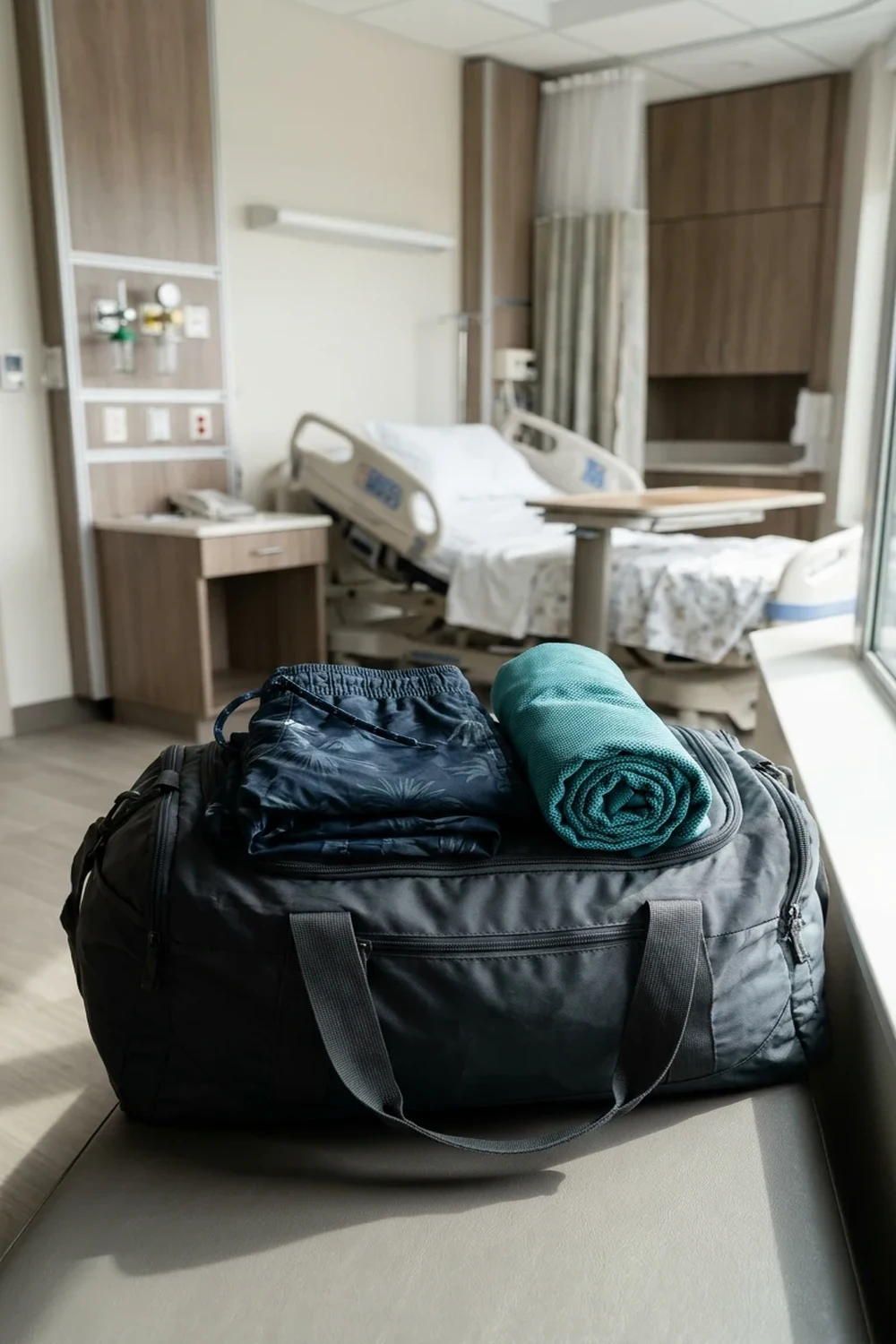
Should Birth Partners Pack a Bathing Suit for Labor Support?
Packing a bathing suit enables a birth partner to enter the shower or birthing tub to provide hands-on hydrotherapy support without soaking street clothes.
- Assist Active Hydrotherapy: Warm water submersion offers non-pharmacological pain relief, and dark trunks let partners support laboring mothers safely under stream jets.
- Support Continuous Physical Contact: Sitting together inside birthing tubs facilitates rhythmic hip squeezes and counter-pressure methods that ease intense sacral contraction aches.
- Maintain Modest Professional Boundaries: Quick-dry swimwear lets support partners move freely alongside doulas, obstetricians, and nursing staff during unexpected bathroom hydrotherapy sessions.
- Preserve Dry Spare Outfits: Wearing dedicated water gear prevents partners from spending twelve subsequent recovery hours sitting in drenched denim or soggy athletic wear.
- Accelerate Thermal Re-entry: Synthetic boardshorts dry rapidly on bathroom rails, allowing partners to transition between warm water pools and chilly postpartum suites efficiently.

How Many Changes of Underwear Does a Partner Need in a Hospital Bag?
Birth partners should pack at least three to four changes of breathable cotton underwear to sustain hygiene through unpredictable multi-day labor and recovery stays.
- Manage Extended Labor Duration: First-time deliveries often stretch beyond 24 to 36 hours, making a fresh change essential for enduring grueling support shifts comfortably.
- Maintain High Personal Hygiene: Assisting with physical counter-pressure, walking hospital corridors, and enduring fluctuating room temperatures triggers perspiration that requires clean clothing swaps.
- Combat Postpartum Stay Delays: Unanticipated monitoring or cesarean recoveries extend hospital discharge by two to four days, quickly exhausting single-day laundry preparations.
- Prioritize Breathable Cotton Fabric: Moisture-wicking cotton blends prevent chafing and skin irritation across 48 hours of constant moving, bench sleeping, and newborn lifting.
- Store in Sealed Water-Resistant Pouches: Keeping spare underwear inside sealed organizer cubes guards clean fabrics against accidental fluid spills or wet shower room floors.

Labor & Recovery Hospital Bag Checklist: Essential Delivery Tools
A labor and recovery checklist brings together targeted comfort items, therapeutic pain-relief tools, and postpartum healing supplies to optimize birth comfort and maternal recovery.
- Deploy Ergonomic Positioning Aids: Inflatable birth balls and peanut balls open the pelvic outlet, facilitating optimal fetal rotation throughout active labor stages.
- Provide Targeted Counter-Pressure: Therapeutic massage lotions and smooth roller balls help partners alleviate intense lower back discomfort during transitional contraction surges.
- Establish Relaxing Sensory Environments: Bluetooth audio speakers and dimmable nightlights mask jarring hallway monitors, promoting oxytocin release through familiar relaxation playlists.
- Sustain Maternal Energy Reserves: Electrolyte drink mixes and concentrated glucose chews deliver quick stamina boosts when solid foods are restricted during induction processes.
- Accelerate Perineal Postpartum Healing: Ergonomic upside-down peri bottles, witch hazel pads, and organic nipple salves provide immediate soothing relief across first-stage recovery.

Why You Need a Birth Ball or Peanut Ball for Labor Comfort
A birth ball or peanut ball is an inflatable physical therapy tool that promotes optimal fetal positioning, widens pelvic diameter by up to 30%, and significantly reduces labor pain during active contractions. Research indicates that utilizing a peanut ball during epidural rest can shorten the first stage of labor by over 90 minutes while lowering emergency cesarean delivery rates.
- Pelvic Opening: Sitting upright on a 65cm birthing ball allows gravity to encourage pelvic symmetry and eases the descent of the baby into the birth canal.
- Epidural Support: Placing an oblong peanut ball between your knees while resting in a side-lying position keeps the pelvic outlet open even after receiving regional anesthesia.
- Perineal Pressure Relief: Gentle rhythmic bouncing and pelvic circles on an anti-burst exercise ball release lower back tension and soften sacral pressure between contractions.
- Hospital Verification: Contact your labor and delivery unit ahead of time to confirm whether peanut balls are provided in-room or if you must bring your own deflated ball with a portable hand pump.
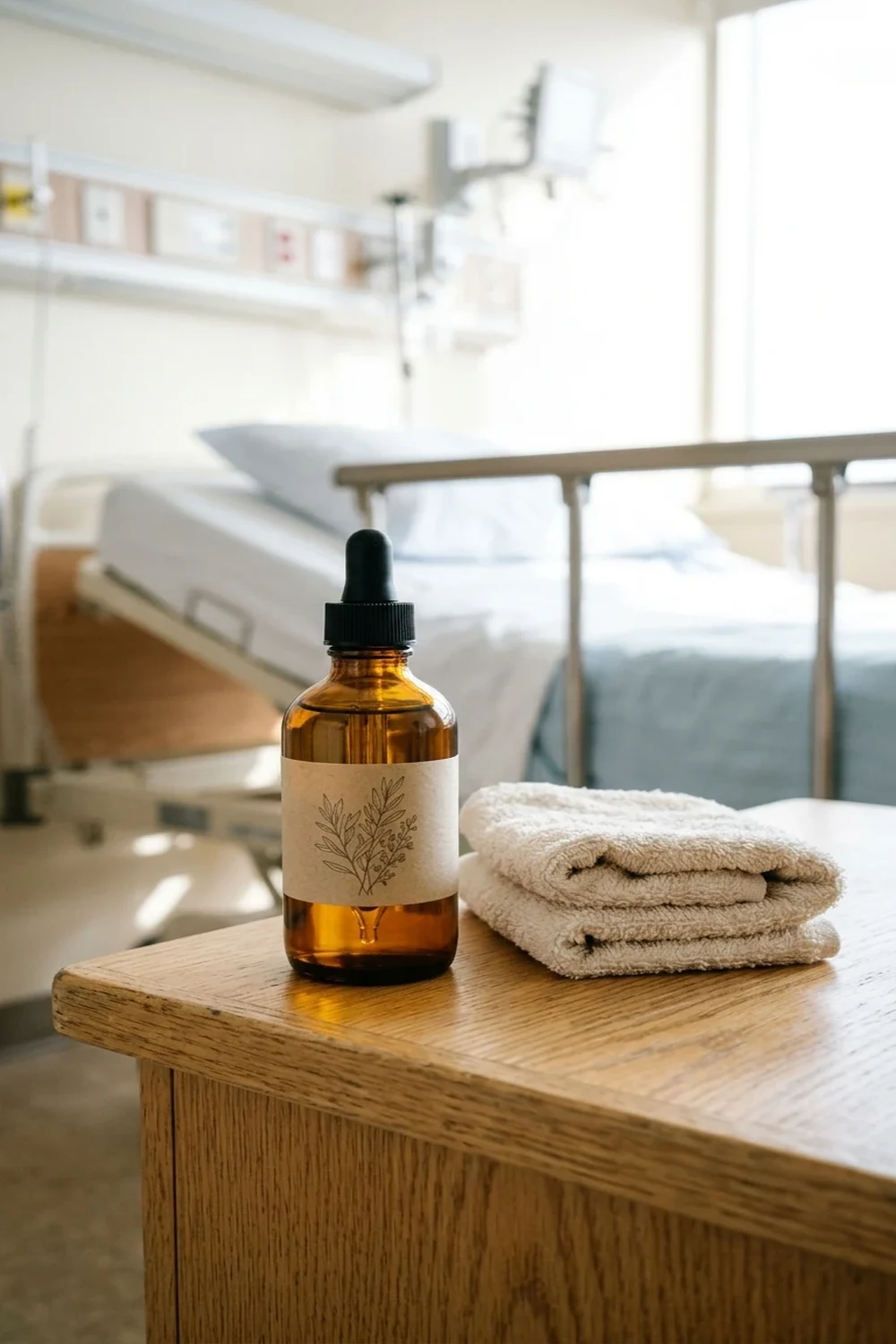
How Massage Oil or Lotion Relieves Contraction Pain
Massage oil or lotion provides targeted cutaneous relief during active labor by reducing friction during counterpressure techniques and triggering calming endorphin release. Incorporating partner-assisted sacral massage with unscented plant-based oils can decrease perceived contraction pain scores by up to 25% across the early and active stages of childbirth.
- Counterpressure Facilitation: Nourishing jojoba or fractionated coconut oil allows your partner or doula to deliver firm, continuous sacral counterpressure without chafing sensitive skin.
- Hospital Scent Guidelines: Select fragrance-free or mildly scented organic carrier oils, as strong artificial fragrances can trigger nausea during transition or violate scent-free maternity ward policies.
- Tension Alleviation: Applying warm lotion to the shoulders, neck, and lower lumbar region helps interrupt the stress-pain cycle and encourages steady parasympathetic breathing.
- Convenient Packaging: Pack travel-sized squeeze bottles with secure flip caps or pump locks to avoid accidental leaks inside your weekender hospital bag.

Best Music or Relaxation Tools to Create a Calming Labor Environment
Music and sensory relaxation tools establish an ambient low-stress birth environment that down-regulates maternal cortisol levels and supports steady natural oxytocin production. Clinical evidence shows that rhythmic music therapy paired with low-stimulus lighting can lower labor anxiety levels by 30% and reduce maternal blood pressure spikes.
- Curated Playlists: Download offline ambient soundscapes, hypnobirthing tracks, and upbeat delivery playlists onto your mobile device to ensure uninterrupted playback through hospital Wi-Fi dead zones.
- Compact Bluetooth Speaker: Bring a portable water-resistant wireless speaker to fill your delivery room with familiar relaxing acoustics without cluttering limited bedside space.
- Sensory Lighting: Flameless battery-operated LED tea lights or warm fairy lights transform harsh clinical fluorescent maternity lighting into a tranquil, dim sanctuary.
- Noise-Canceling Earbuds: High-fidelity over-ear or in-ear headphones block hallway equipment alarms, intercom pages, and door latch noises during precious labor rest intervals.

Why Packing Hydrating Lip Balm Is Essential for Labor Recovery
Lip balm is a non-negotiable hospital bag essential that protects delicate lip tissue from severe cracking caused by continuous hospital airflow and rhythmic labor breathing. Maternity ward air conditioning systems maintain humidity levels below 35%, which rapidly desiccates mucous membranes during active labor vocalization and supplemental oxygen therapy.
- Airway Desiccation Defense: Medical-grade hospital HVAC filtration combined with nitrous oxide gas or nasal cannula oxygen rapidly strips moisture from lips and facial skin.
- Deep Breathing Protection: Hours of focused open-mouth panting and breath cycles during contractions require frequent barrier reapplication to prevent painful lip bleeding.
- Natural Occlusive Formulas: Choose lanolin, shea butter, or beeswax balms that lock in deep hydration without artificial synthetic petroleum flavors or drying alcohols.
- Multipack Accessibility: Stash one hydrating lip balm tube in your primary bedside toiletry pouch and hand an extra tube to your birth partner for quick hourly touch-ups.
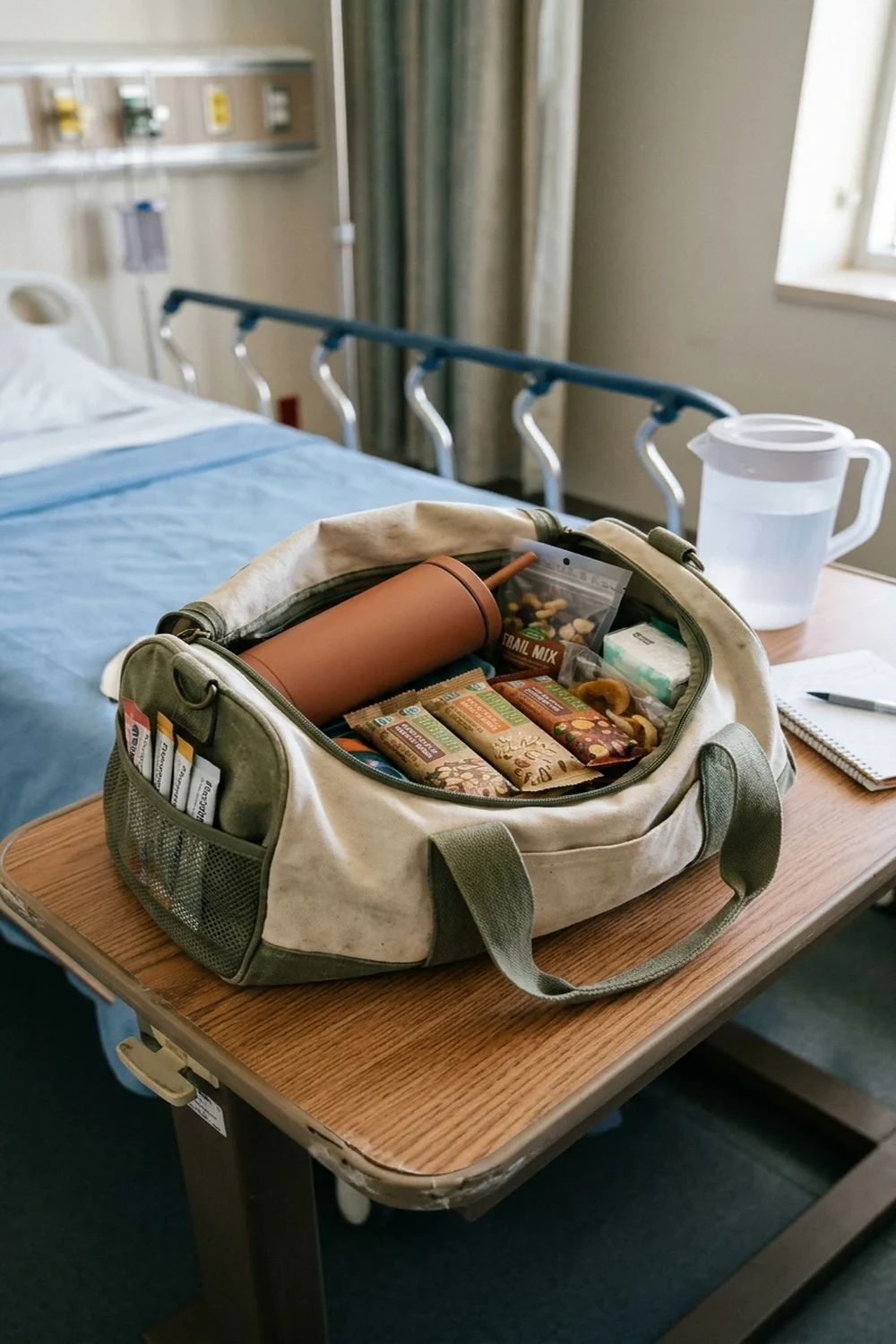
5. Labor and Recovery Snacks and Drinks: What to Pack for Sustained Energy
Labor and postpartum recovery demand substantial metabolic energy, making nourishing snacks and electrolyte-rich drinks essential components of your hospital bag checklist. While hospital clinical policies determine whether solid foods are permitted during active labor, having nutrient-dense refreshments immediately accessible post-delivery prevents sudden blood sugar crashes and sustains energy during early breastfeeding sessions.
- Electrolyte Drink Mixes: Electrolyte powders or coconut water restore vital cellular hydration far more effectively than plain water during intense physical exertion.
- Protein and Nut Butter Packs: Portable almond butter packets, roasted trail mixes, and organic protein bars deliver sustained macronutrient fuel without requiring refrigeration.
- Easily Digestible Carbohydrates: Dried fruits like dates, whole-grain crackers, and honey sticks supply rapid glucose replenishment that is gentle on sensitive digestive tracts.
- Hard Candies and Throat Lozenges: Tart fruit drops and peppermint lozenges stimulate saliva production to counteract severe dry mouth caused by focused labor breathing techniques.
- Insulated Reusable Straw Cup: A 32-ounce insulated tumbler with an integrated flexible straw allows your birth partner to offer hydration seamlessly from any reclining position.
Key Takeaways & Final Thoughts
- Pack Early: Complete packing all bags between weeks 34 and 36 of pregnancy to avoid unneeded rush if early labor occurs.
- Divide by Recipient: Separate items into distinct bags for mother, baby, and partner to allow instant retrieval by hospital staff or family.
- Prioritize Essentials: Keep primary identification, health insurance documents, phone chargers with 10-foot cables, and a secure car seat at the top of your list.
- Plan for Comfort: Bring personal postpartum garments, hydrating toiletries, and high-protein snacks to maintain energy and dignity throughout recovery.