26 Best Easy DIY Clothes Ideas to Transform Your Wardrobe in 2026
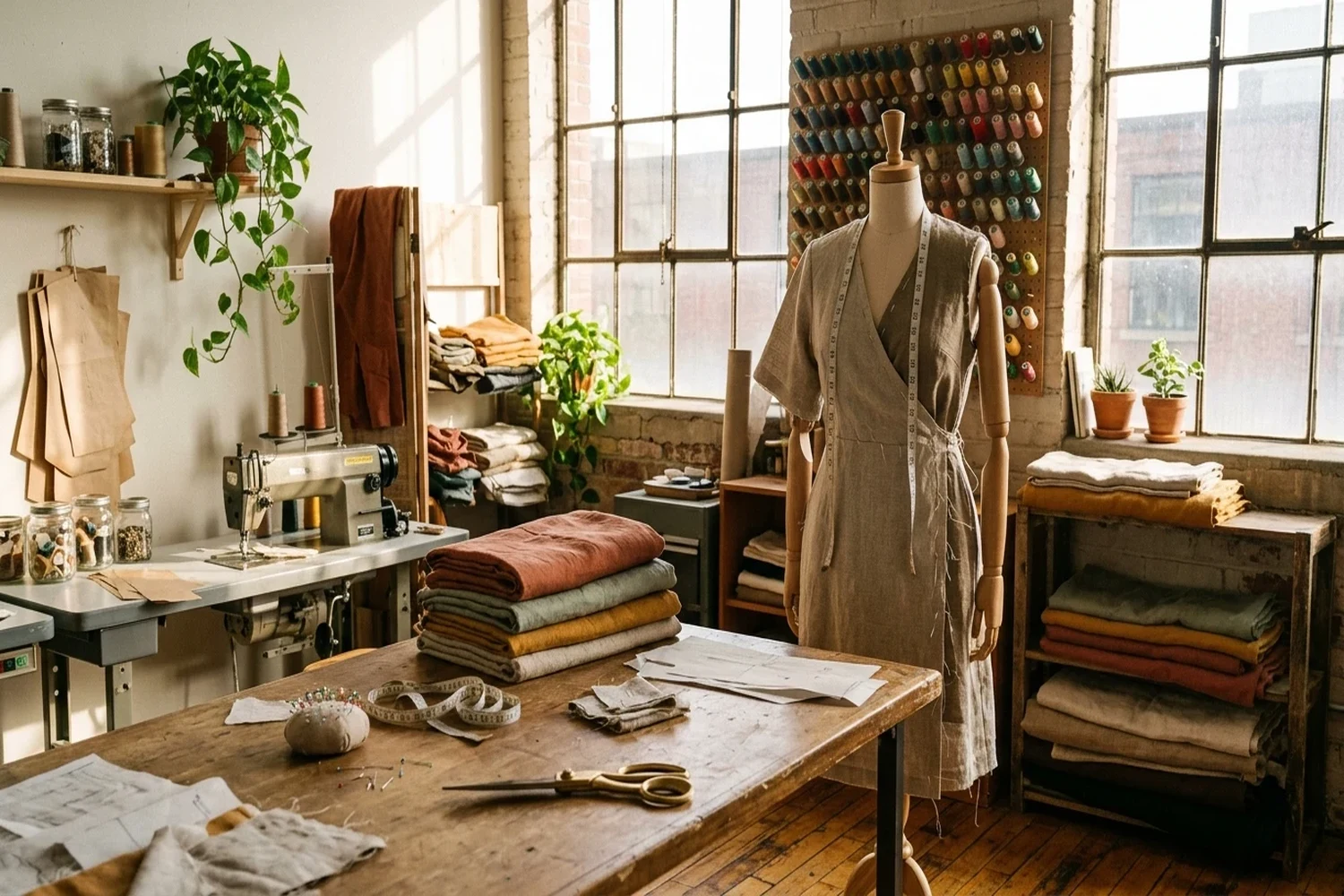
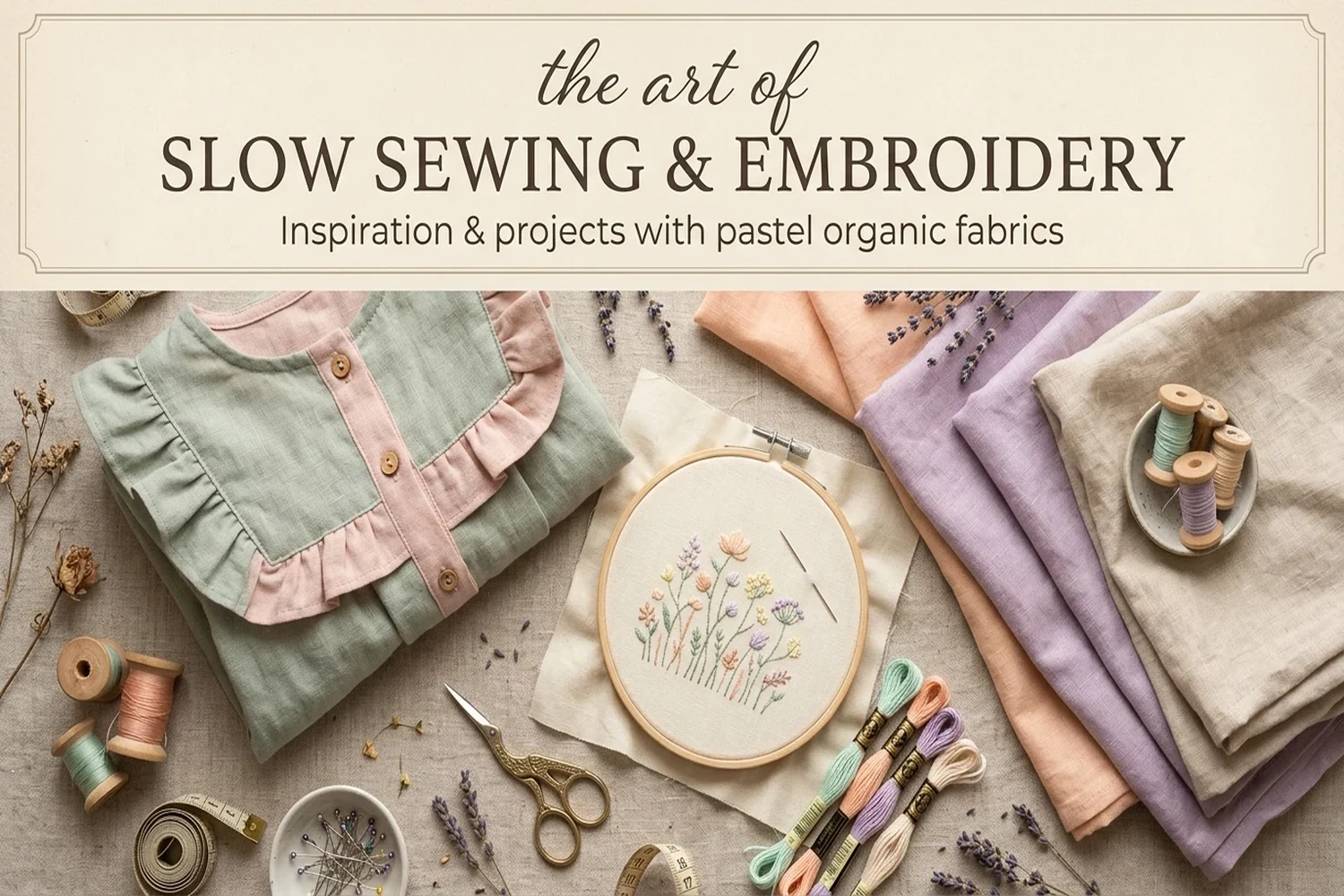
Creating your own stylish wardrobe does not require formal design training or expensive industrial machines. Easy DIY clothes allow fashion creators to transform thrifted textiles, obsolete jeans, and vintage fabrics into elevated, bespoke garments with minimal waste. By mastering simple stitches, fabric painting, and strategic upcycling, you can assemble a custom wardrobe that perfectly reflects your personal aesthetic.

Why Try DIY Clothing? Sustainable Fashion Benefits
DIY clothing is an accessible design practice where individuals craft, tailor, or reconstruct wearable garments to fit their exact proportions and creative vision. Making custom apparel eliminates reliance on fast-fashion cycles while ensuring total control over fabric selection, fit, and craftsmanship.
- Customized Proportions: Handcrafted garments eliminate the sizing compromises inherent in mass-market retail by matching your precise body measurements.
- Textile Waste Reduction: Repurposing discarded household linens, bedsheets, and pre-loved garments diverts usable natural fibers from landfills.
- Skill Acquisition: Active construction projects build practical competencies in garment alterations, machine maintenance, hand embroidery, and visible mending.
- Economic Efficiency: Crafting high-end statement items from thrifted base materials reduces overall wardrobe expenditures by up to 70%.
Easy DIY Clothes: Essential Upcycling and Sewing Concepts
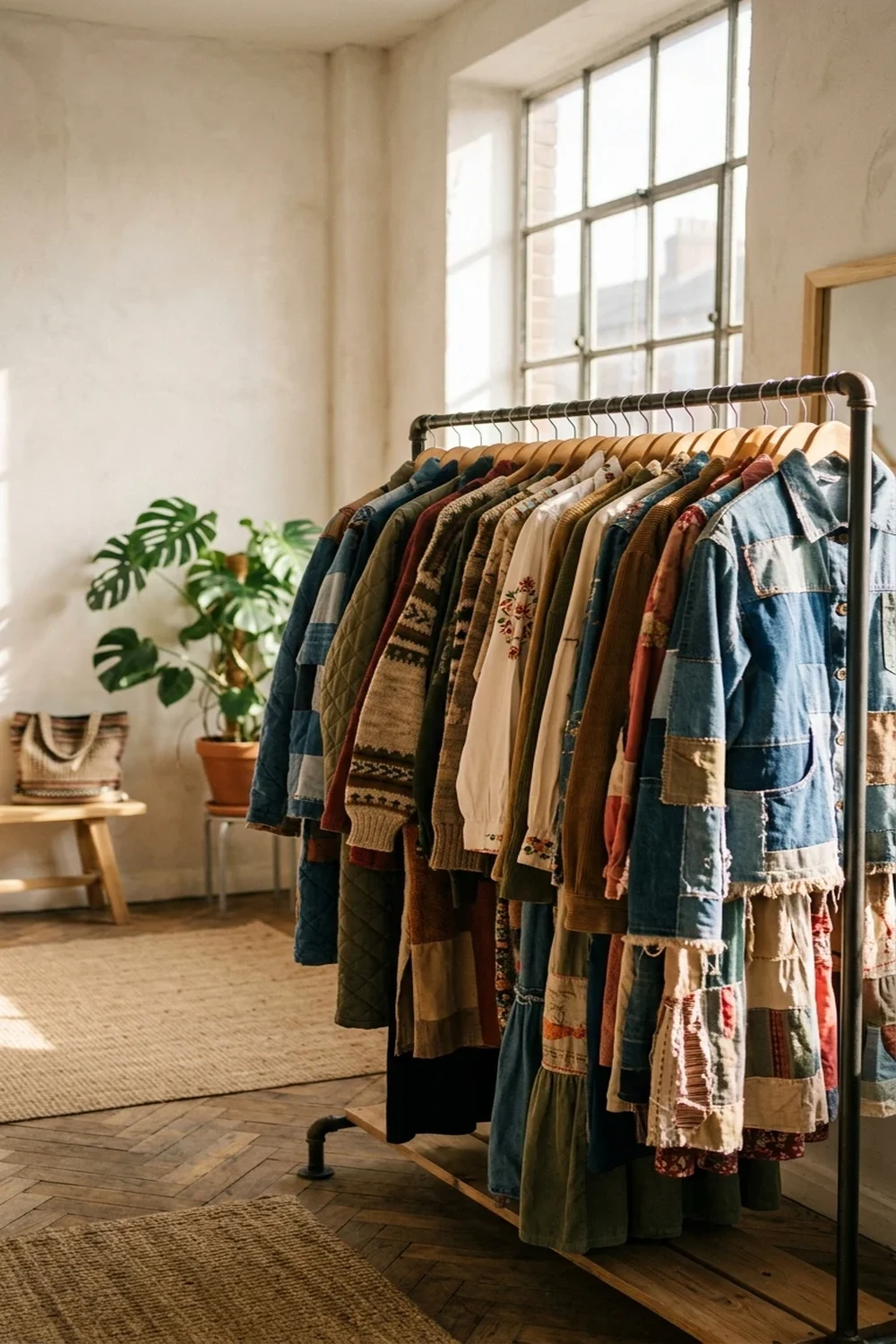
Easy DIY clothing methods range from zero-sew textile embellishments to straightforward single-afternoon machine patterns. Selecting projects based on your current comfort with construction allows seamless progression from simple surface design to complete garment assembly.
- No-Sew Adaptations: Garments updated using fabric adhesives, safety pins, beadwork, or fabric markers require zero needle skills to produce high visual impact.
- Deconstruction Techniques: Removing sleeves, cropping hems, or slashing seams on existing items provides rapid structural transformation with minimal effort.
- Beginner-Friendly Patterns: Simple wrap silhouettes and elasticated waistbands bypass complex closures like invisible zippers and tailored buttonholes.
- Modular Embellishments: Applying fringe trims, lace appliques, and custom patches breathes immediate modernity into outdated closet basics.
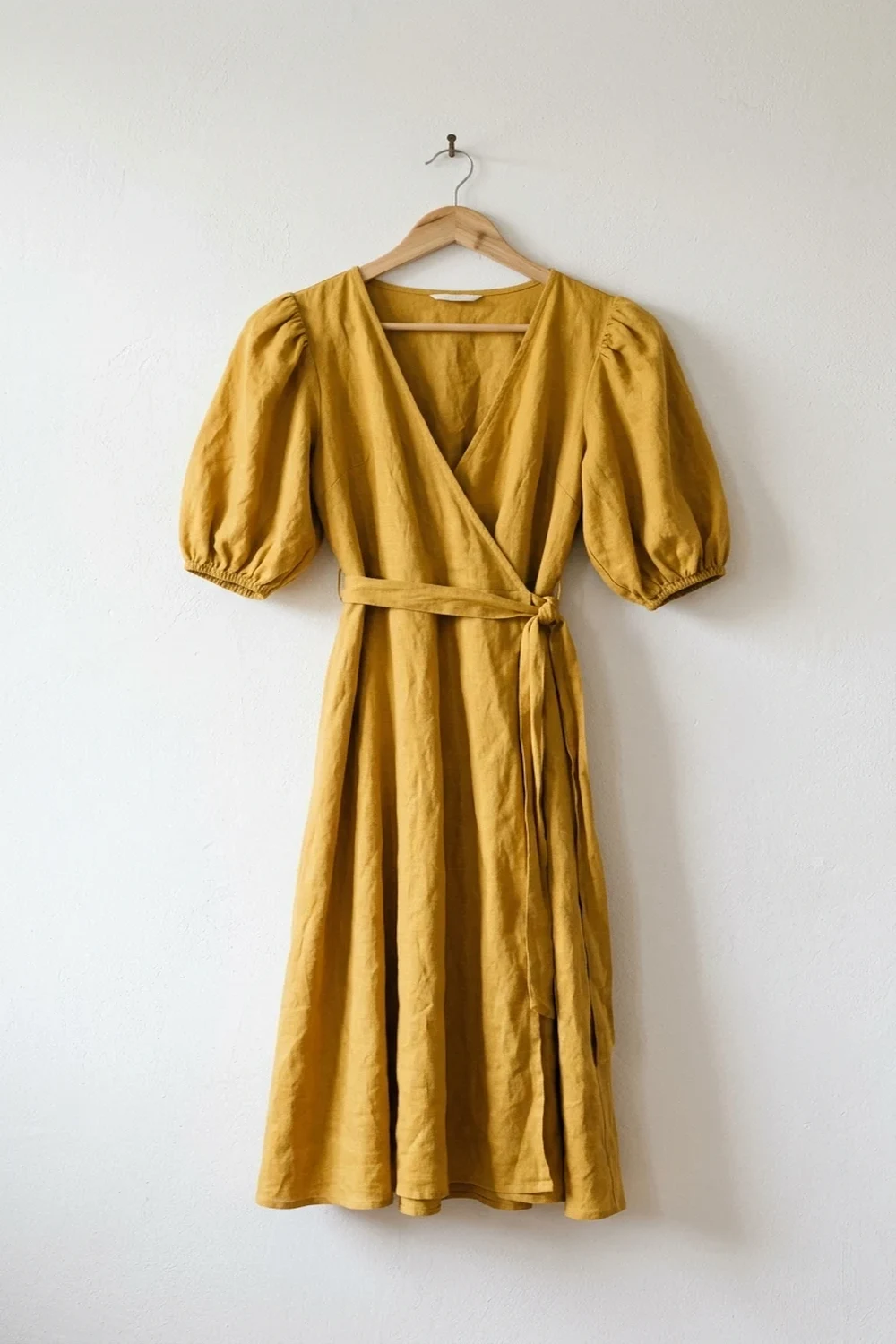
1. Mustard Wrap Dress: Flattering Linen Sewing Project
A mustard wrap dress is a beginner-to-intermediate sewing project featuring an adjustable waist tie, soft bodice gathers, and romantic puffed sleeves. The adjustable overlap accommodates slight body fluctuations without requiring tailored darts or zipper installations.
- Recommended Textiles: Lightweight linen blends, washed cotton lawn, and rayon challis offer the fluid drape necessary for an organic wrap skirt drape.
- Adjustable Silhouette: The continuous wrap ties allow precise tension adjustment across the waistline for all-day comfort.
- Styling Flexibility: This piece transitions from daytime casual with minimalist sneakers to countryside chic with leather slide sandals and a woven straw hat.
- Skill Level Benchmark: Intermediate crafters familiar with stay-stitching neckline curves and setting gathered sleeve caps will complete this in 3-4 hours.

2. Crochet Wave Top: Retro Textured Wearable
The crochet wave top is a breathable handmade garment crafted using undulating chevron or ripple stitches worked in alternating color bands. This project serves as an ideal bridge for needle crafters seeking to transition from flat home blankets to custom apparel.
- Yarn Selection: Mercerized cotton yarn in DK or sport weight prevents stretching out of shape and maintains sharp stitch definition during laundering.
- Palette Exploration: Earthy neutral stripes create a subtle bohemian aesthetic, whereas high-contrast jewel tones produce a vibrant 1970s retro vibe.
- Seasonal Layering: The open-stitch lace texture layers comfortably over seamless bralettes in summer or fitted modal turtlenecks in autumn.
- Gauge Consistency: Maintaining uniform stitch tension along the ripple peaks ensures both front and back panels align precisely at the side seams.
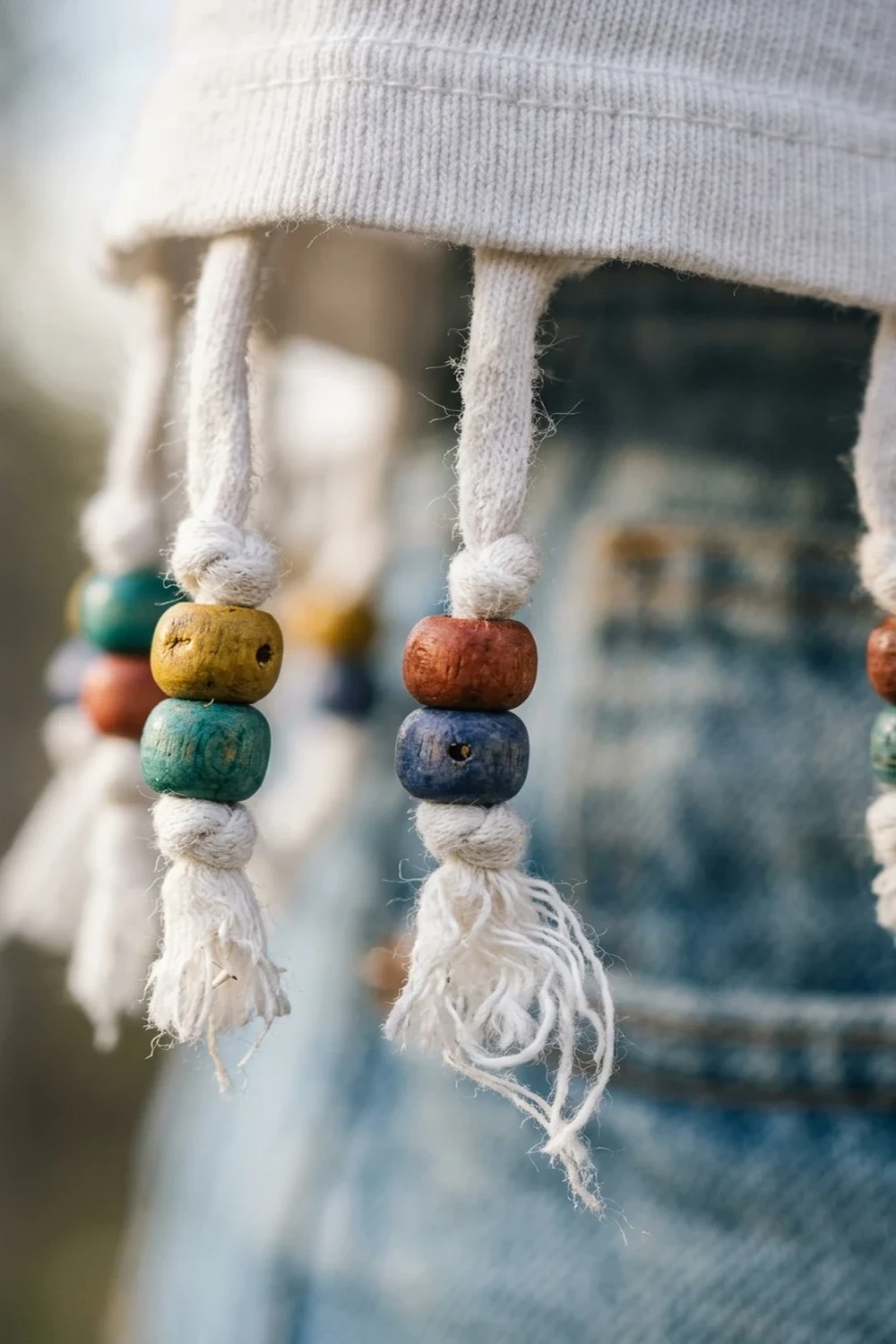
3. Fringe Bead Tee: Upcycled Boho Embellishment
The fringe bead tee is an easy upcycling project that modernizes a basic cotton crewneck with sliced hem tassels and threaded seed beads. This no-pattern alteration immediately converts an oversized casual shirt into an eye-catching festival top.
- Base Garment Choice: Heavyweight 100% cotton crewneck tees hold vertical cuts cleanly without excessive unraveling or fabric curling.
- Fringe Spacing: Marking uniform 0.5-inch intervals along the lower hemline ensures symmetrical movement across the hips.
- Bead Placement: Sliding glass seed beads or wooden spacers onto tassel ends adds subtle kinetic weight and prevents the fabric strips from flying upward.
- Speedy Completion: This alteration requires no sewing machine and finishes in under 45 minutes using standard fabric scissors and a beading needle.
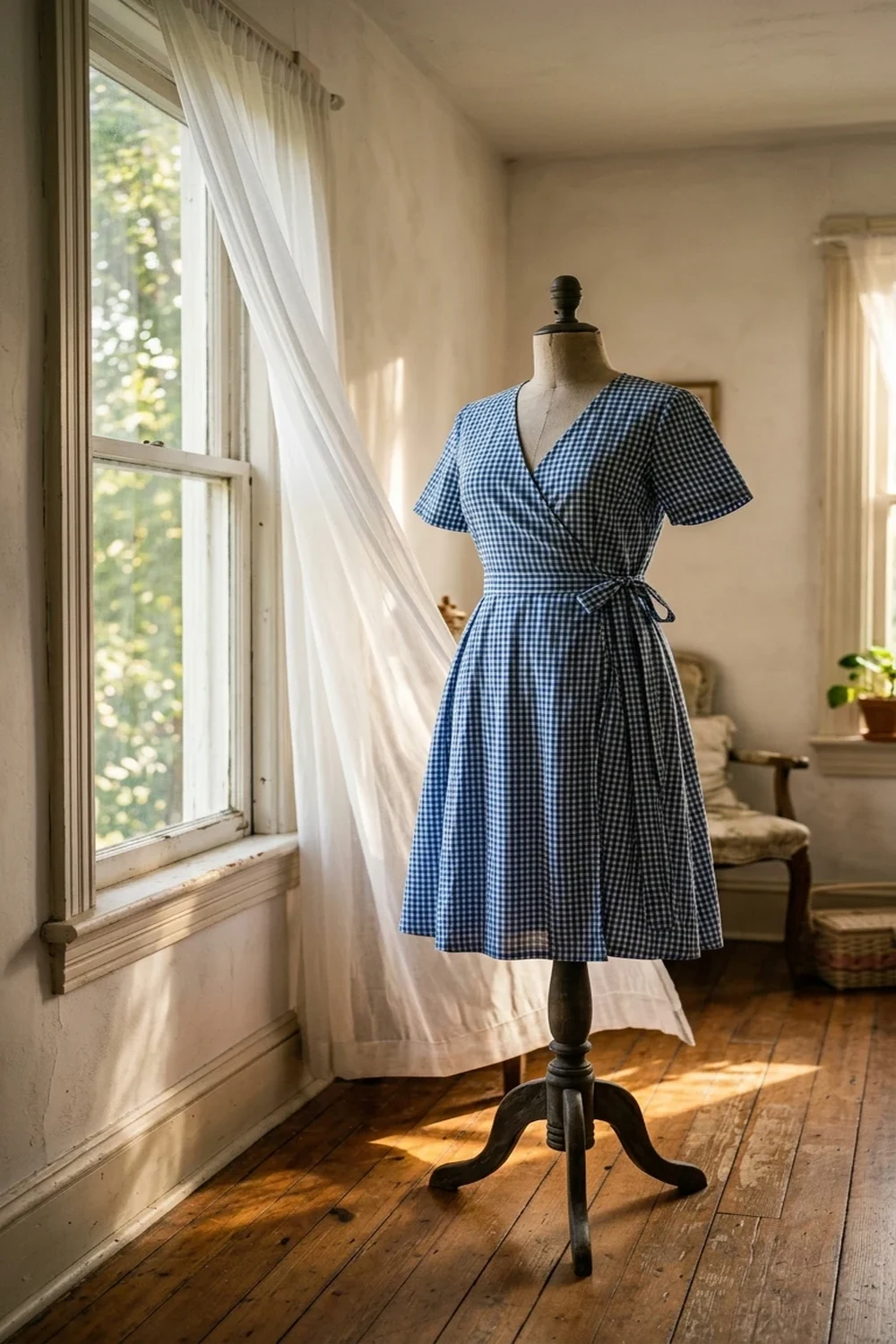
4. Gingham Wrap Dress: Timeless Vintage Pattern
A gingham wrap dress pairs classic checkered cotton fabric with a sleeveless crossover bodice and self-fabric waist sash. The visual geometry of gingham adds structure, making the finished piece look expertly tailored with minimal construction complexity.
- Fabric Stability: Yarn-dyed cotton gingham provides exceptional dimensional stability, resisting slipping beneath sewing machine presser feet.
- Pattern Placement: Aligning horizontal checks across the front crossover bodice produces a polished, professionally finished presentation.
- Breathable Silhouette: The sleeveless cut combined with 100% natural cotton fibers offers superior ventilation for warm spring and summer weather.
- Fastener-Free Design: Eliminating metal zippers in favor of a wraparound tie closure removes the most common barrier for novice sewists.
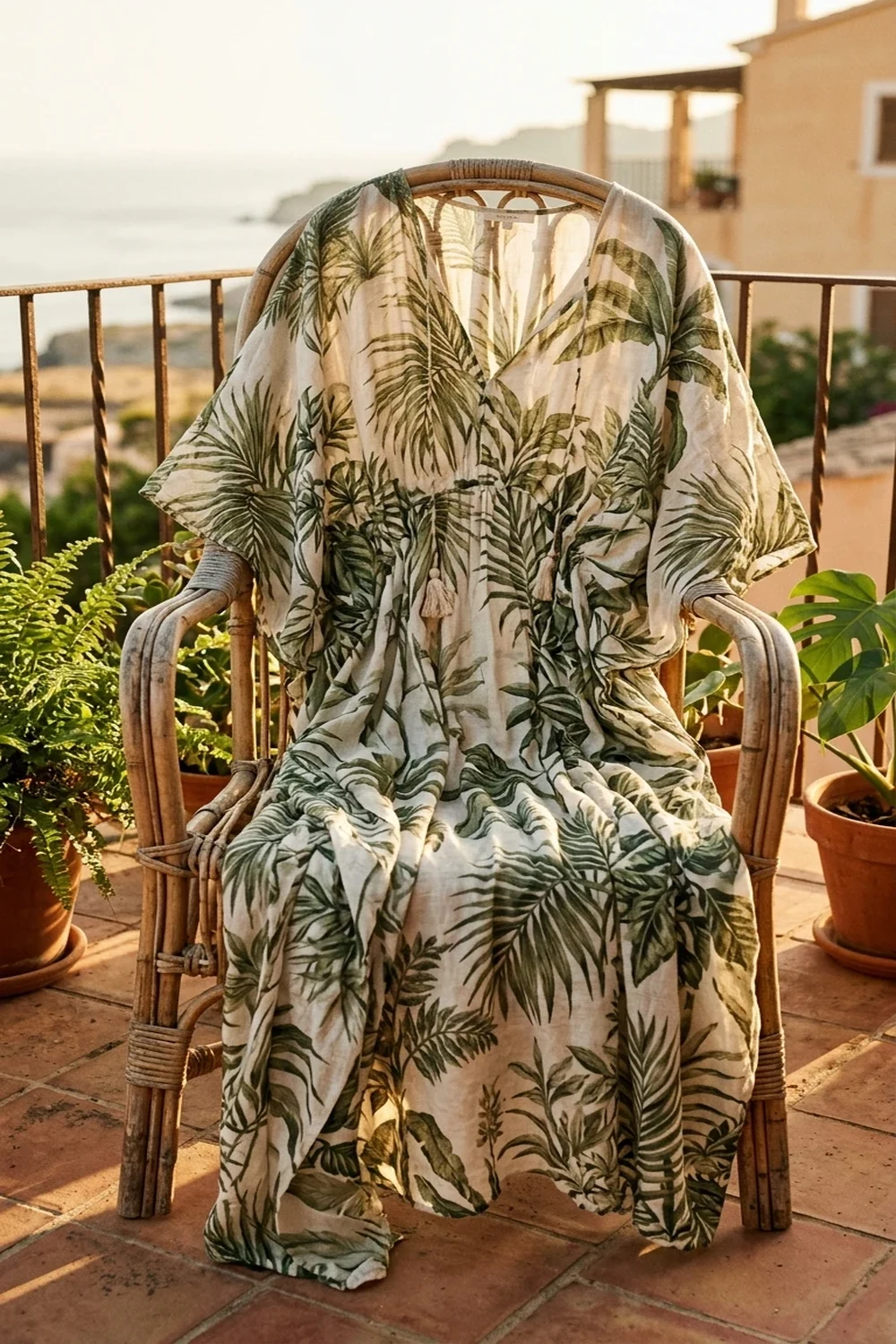
5. Tropical Kaftan Dress: Effortless Resort Wear
The tropical kaftan dress is an oversized, billowy garment featuring batwing or kimono-style sleeves cut from vibrant printed or hand-painted yardage. Its loose structural geometry relies on rectangular cutting lines, eliminating the need for complex curved armholes or bust darts.
- Geometric Simplicity: Assembling two wide rectangular panels with an open central neckline creates the entire functional structure.
- Textile Options: Viscose challis, silk habotai, or lightweight printed cotton provide the fluid movement necessary for maximum drape.
- Surface Customization: Plain white or unbleached calico fabric can be custom-patterned with non-toxic, heat-set fabric paints before seaming.
- Multipurpose Utility: The flowing design functions equally well as a poolside swimsuit cover-up, resort lounger, or relaxed evening patio dress.
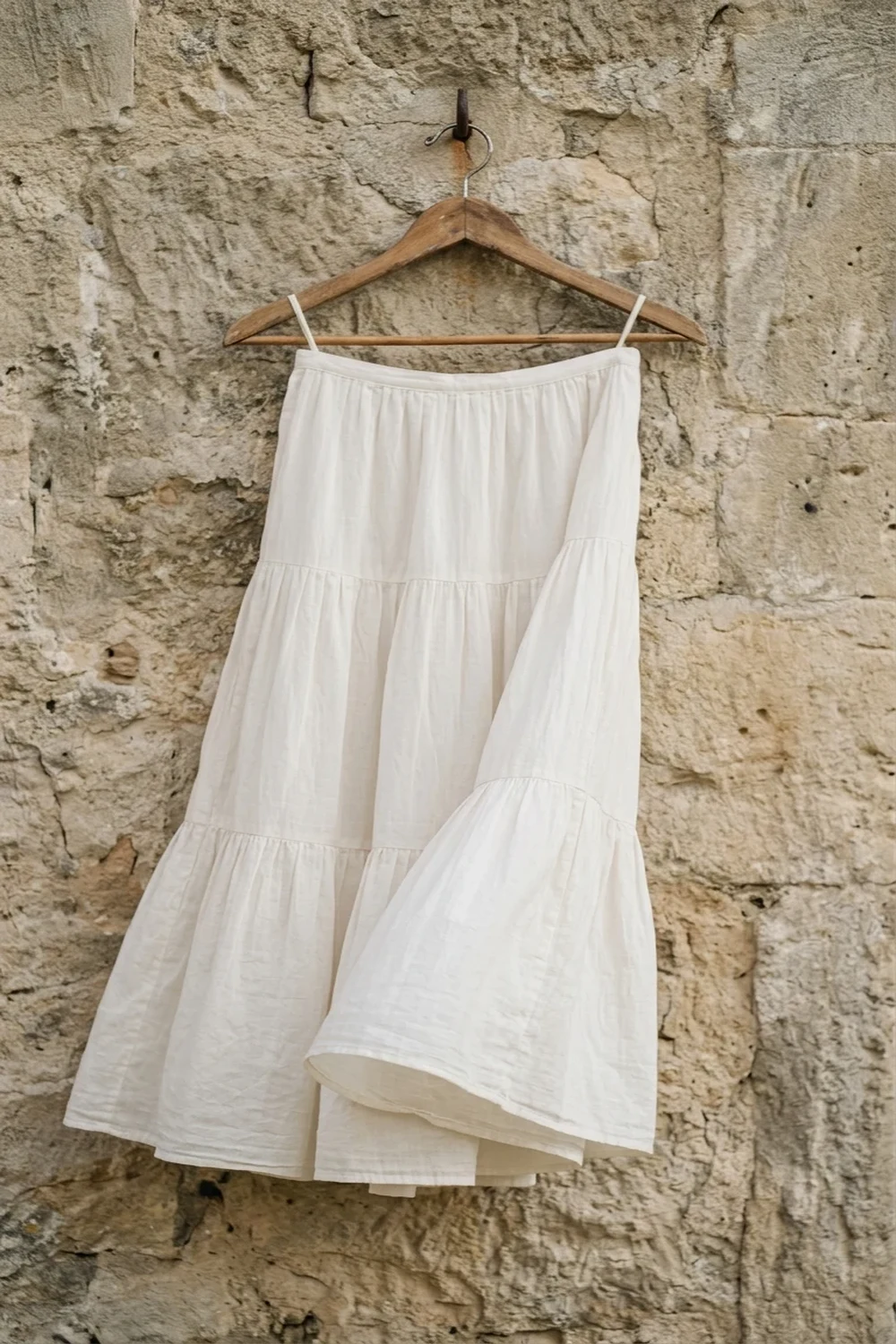
6. White Maxi Skirt: Tiered Upcycled Cotton Staple
A tiered white maxi skirt is an essential wardrobe staple constructed by gathering multiple cascading tiers of crisp cotton or upcycled vintage bed linens onto an elastic waistband. The wide silhouette creates romantic movement while remaining entirely forgiving to sew.
- Thrifted Linen Repurposing: High-thread-count vintage cotton sheets provide ample, inexpensive yardage without the high cost of retail bolts.
- Tier Calculation: Increasing each gathered tier width by a ratio of 1.5 times the preceding panel creates balanced fullness without bulk.
- Comfort Waistband: Inserting wide 1.5-inch non-roll elastic inside a folded waist casing guarantees all-day comfort and easy dressing.
- Styling Pairings: This voluminous silhouette balances cleanly against ribbed baby tees, cropped knit tanks, or knotted chambray button-downs.

7. Leopard Slip Dress: Bias-Cut Minimalist Silhouette
A leopard slip dress combines 1990s minimalist tailoring with eye-catching animal print, highlighting narrow rouleau spaghetti straps and a fluid body contour. The bold textile pattern becomes the hero feature, allowing the silhouette lines to remain refined and uncluttered.
- Bias Grain Cutting: Angling pattern pieces at 45 degrees to the fabric grainline allows woven satin to expand naturally around body curves without zips.
- Fabric Recommendations: Rayon satin, silk crepe de chine, or lightweight polyester charmeuse deliver necessary glide and sheen.
- Strap Fabrication: Sewing narrow bias tubes using a loop turner produces delicate, minimalist shoulder straps that maintain high tensile strength.
- Trans-Seasonal Wear: Wear the slip dress solo with strap sandals in hot weather, or layer it over ribbed modal tops beneath leather jackets in autumn.
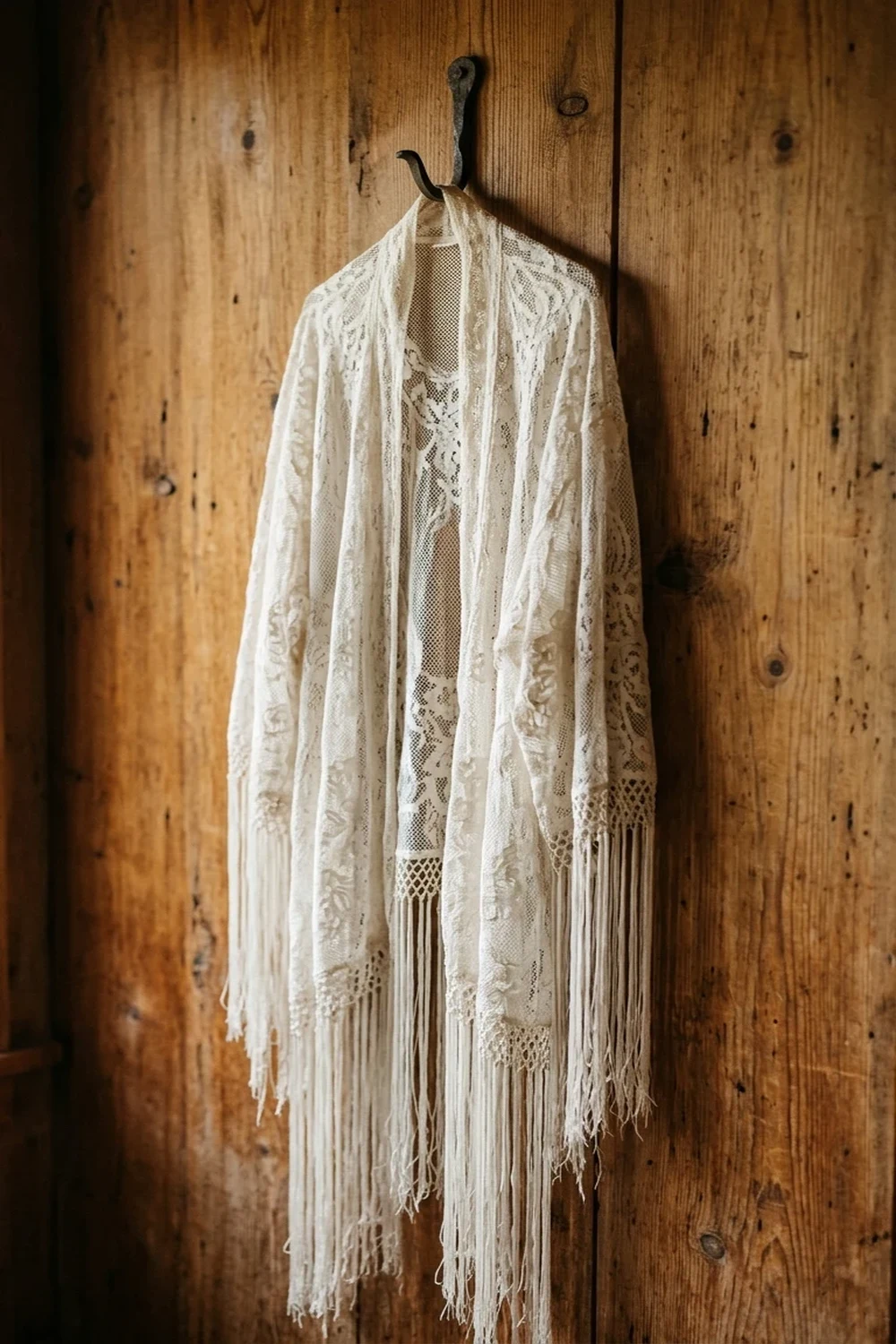
8. Fringe Lace Cover-Up: Repurposed Vintage Kimono
The fringe lace cover-up is a bohemian layering garment assembled by transforming vintage floral lace tablecloths or window curtains into a draped T-silhouette with corded hem fringe. It introduces sophisticated texture over simple base garments without complex pattern drafting.
- Curtain Upcycling: Scalloped vintage lace panels provide pre-finished decorative hems along the front edges, cutting construction time in half.
- Fringe Installation: Applying continuous cotton macramé or silky chainette trim along the hemline anchors the sheer fabric with elegant drape.
- Minimal Stitching: Three straight machine seams across the shoulders and side edges yield a fully functional kimono cardigan.
- Layering Utility: This sheer outer layer elevates basic denim cut-offs, fitted swimwear, or monochromatic slip dresses.

9. Blue Ruffle Skirt: Cascading Floral Wrap Design
The blue ruffle skirt is a feminine wrap garment featuring a curved flounce running down the diagonal front overlap and circling the hemline. Its asymmetrical cascading edge creates dynamic movement while the self-tie waistband guarantees an exact fit.
- Flounce Drafting: Cutting circular donut shapes rather than gathered straight strips yields smooth, rippling flounces that lay flat along the waistline.
- Textile Selection: Micro-floral viscose lawn, crepe, or georgette drapes elegantly without adding unnecessary thickness to the seamlines.
- Narrow Hemming: Utilizing a rolled hem foot or a narrow 3-thread serger finish keeps the delicate ruffle edges clean and weightless.
- Balanced Proportions: Pair this flared, undulating skirt with structured baby tees, fitted bodysuits, or crisp cropped shirting.
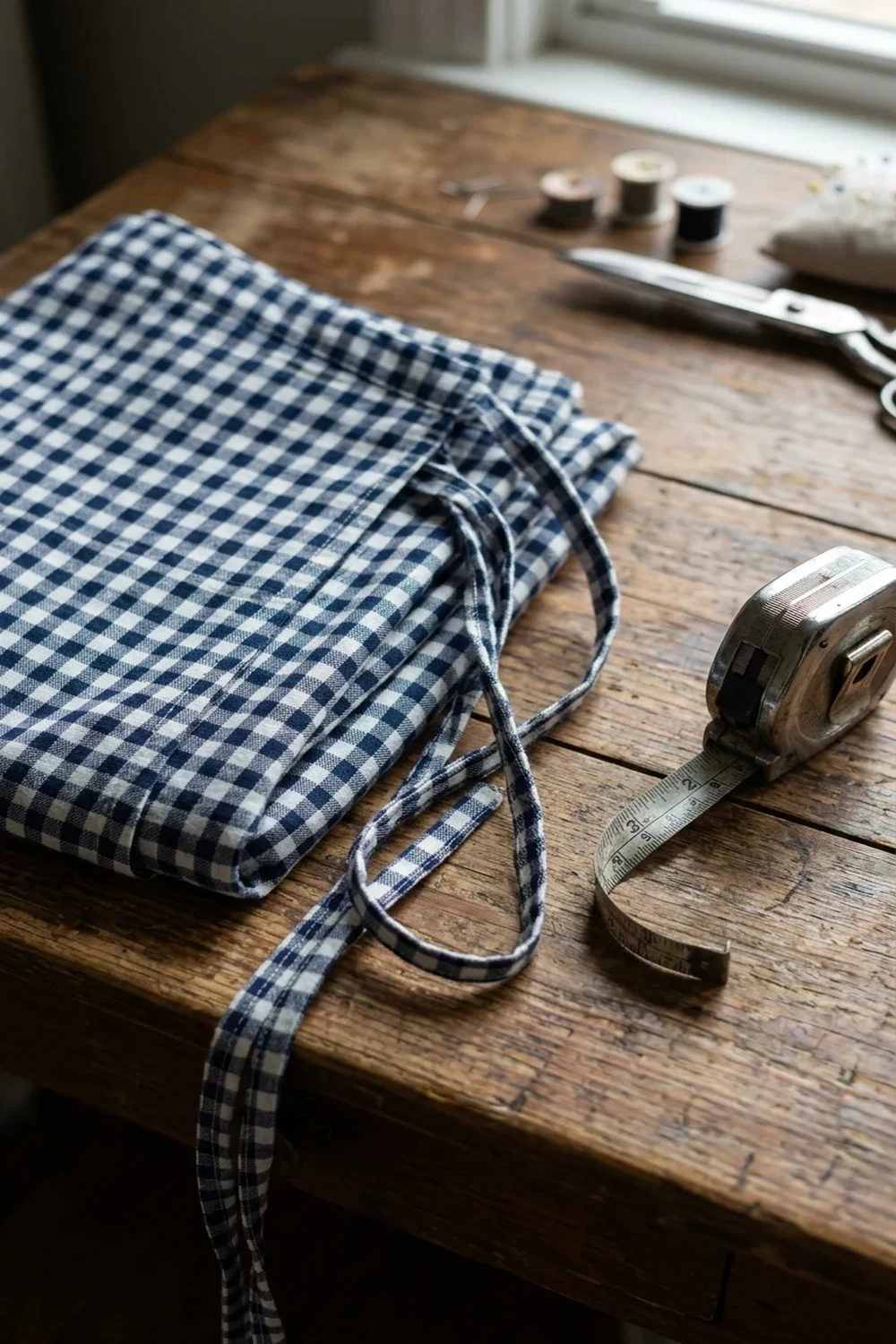
10. Gingham Wrap Skirt: A-Line Cotton Midi Project
A gingham wrap skirt is an accessible beginner-level sewing project that delivers a tailored A-line midi profile secured by an extended waist belt. This project bypasses difficult fit alterations and provides a high-mileage wardrobe staple for everyday styling.
- Straight-Grain Cutting: The square check weave of navy or sky-blue gingham serves as an integrated visual cutting guide for straight edges.
- Midi Length Proportion: Falling to mid-calf, the midi length offers vintage mid-century appeal while providing complete movement comfort.
- Scrap Fabric Friendly: Requiring less than two yards of 44-inch cotton, this piece makes optimal use of leftover remnant yardage.
- Everyday Pairing: Style with tucked white oxford shirts, basic boatneck tees, or chunky cable-knit cardigans across three seasons.

11. Scarf Halter Top: Zero-Waste Upcycling Fastener
The scarf halter top is an instant no-pattern garment created by converting an unused vintage square silk or poly-satin scarf into a draped summer halter. By leveraging existing pre-rolled scarf hems, the sewist saves substantial prep and finishing time.
- Scarf Dimensions: A standard 35×35 inch (90×90 cm) square silk foulard provides the ideal dimensions for full chest and midriff coverage.
- Neckline Channel: Folding down the top corner creates an instant casing for threading ribbon, leather cords, or metal chain ties.
- Zero-Waste Construction: Using the whole existing scarf preserves original rolled edges and eliminates fabric trimmings entirely.
- High-Low Styling: Contrast the glossy luxury of printed silk against distressed vintage denim trousers or utility cargo shorts.
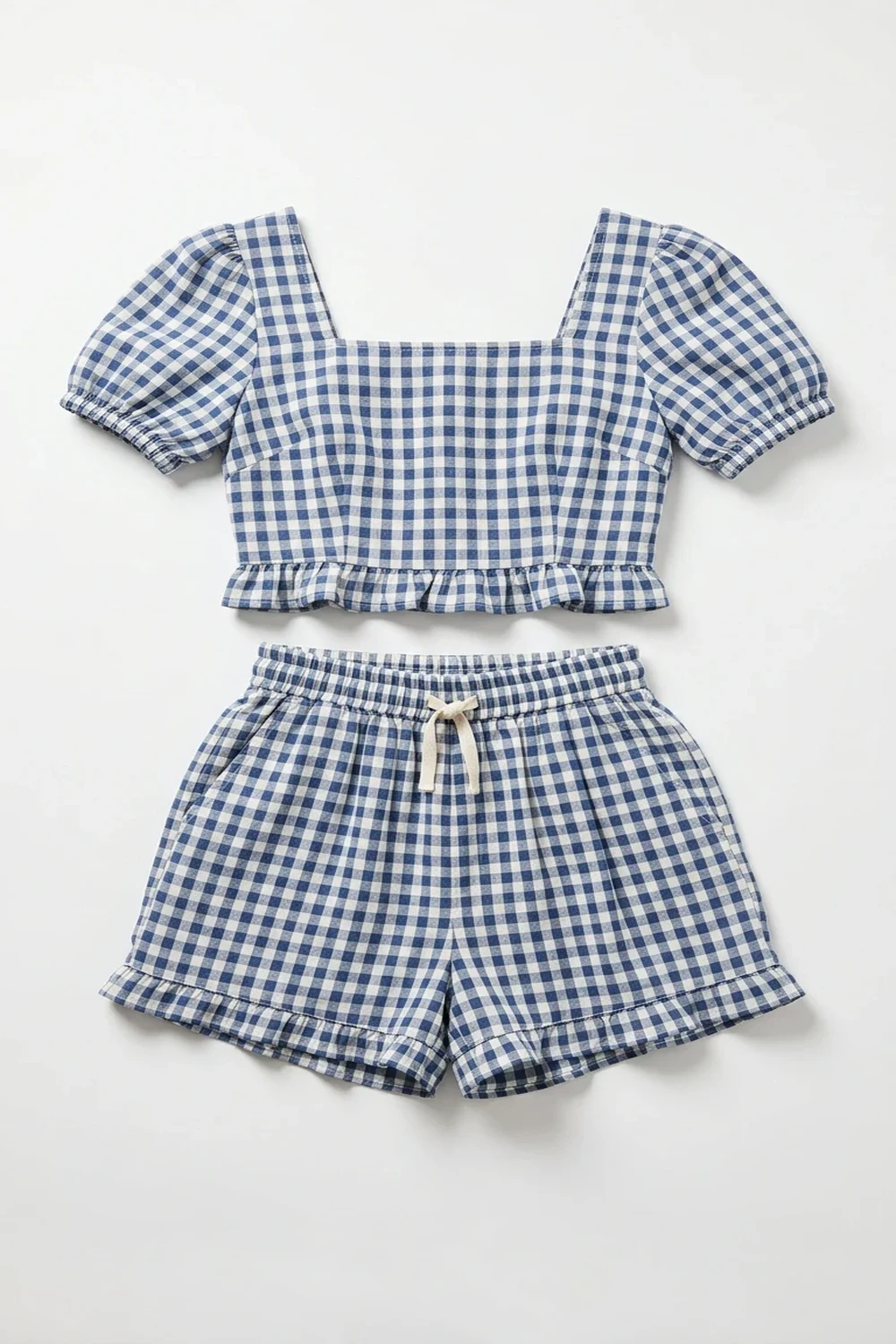
12. Checker Co-Ord Set: Playful Two-Piece Summer Set
A checker co-ord set features a matching cropped tie-front blouse and elasticated pull-on shorts crafted from identical checkered woven cotton. Two-piece sets create an instantly styled outfit while allowing each separate piece to be styled independently.
- Tablecloth Repurposing: Vintage checkerboard tablecloths and picnic linens provide heavy-duty cotton yardage with authentic retro color palettes.
- Relaxed Fit Drafting: Boxy silhouettes and elasticated paperbag waists minimize tailoring corrections around hips and bust lines.
- Modular Outfitting: Wear the components together for coordinated summer appeal, or pair the shorts with white tees and the top with high-rise jeans.
- Reinforced Seamlines: Double-stitching or flat-felling the crotch and underarm seams ensures durability during active summer recreation.
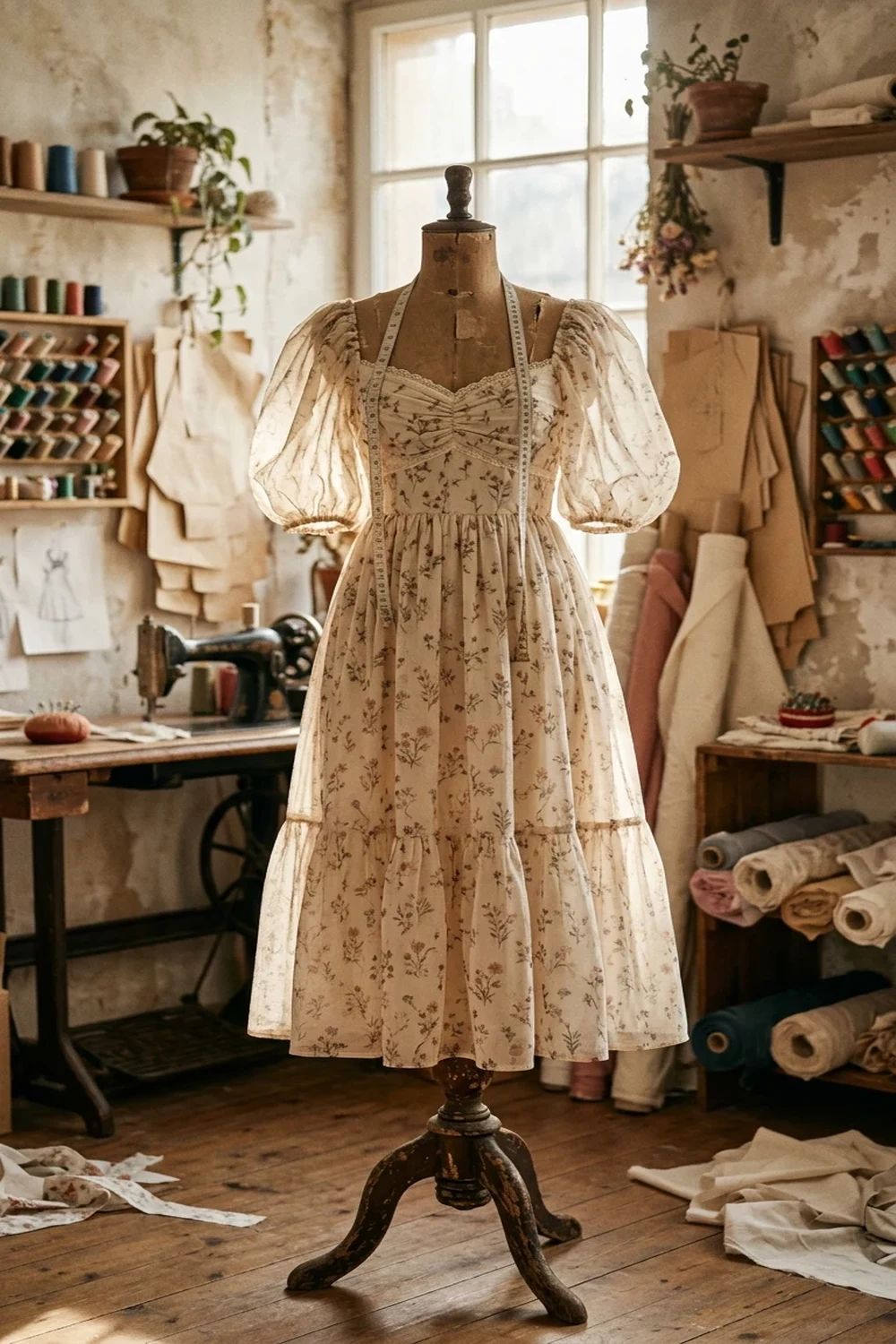
13. Puff Sleeve Dress: Romantic Cottagecore Statement
A puff sleeve dress combines a fitted darted bodice with dramatic gathered balloon sleeves and a flared skirt to create a romantic silhouette. This project allows maturing sewists to refine their skills in gathering, sleeve-cap insertion, and neckline edge facing.
- Structural Sleeve Heads: Adding a narrow strip of horsehair braid or pleated organza netting inside sleeve caps maintains architectural puff volume.
- Bodice Shaping: Clean waist darts and an enclosed bodice facing provide supportive contouring across the upper torso.
- Pattern Adaptations: Ditsy floral calicos, pastel gingham, and crisp poplin fabrics emphasize the historical cottagecore charm.
- Step-Up Technique: This project introduces sewists to gathering ratios, grading seam allowances, and pressing curved sleeve heads.
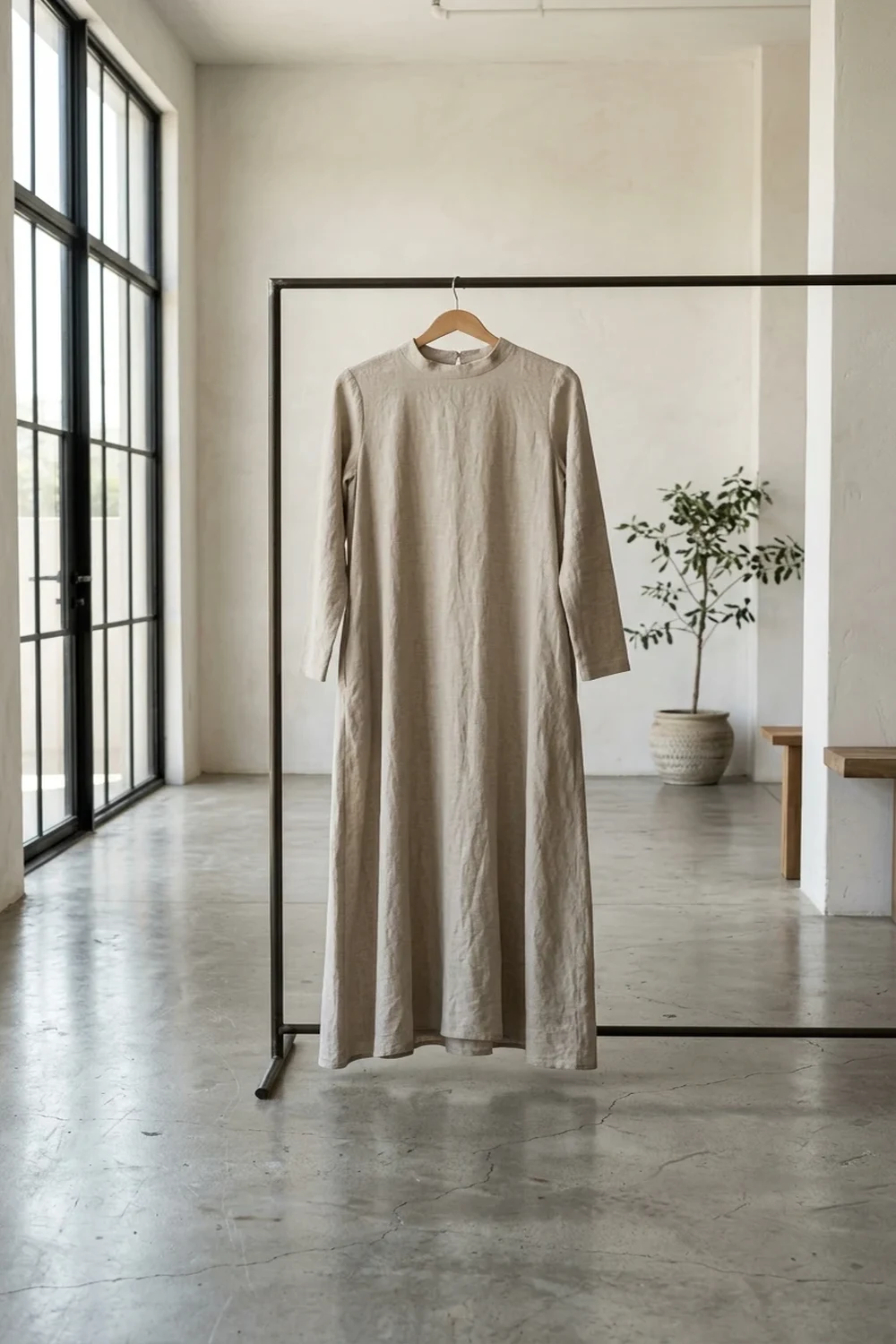
14. Modest Maxi Dress: Minimalist Full-Length Linen Design
The modest maxi dress is an understated, floor-length garment with long sleeves and an unrestrictive silhouette sewn from premium breathable linen. Its straightforward lines offer comfort, functional modesty, and effortless layering across diverse seasons.
- Textile Performance: Midweight softened European linen allows optimal thermal regulation, keeping wearers cool in heat and warm during cool winds.
- Loose A-Line Cut: The uncinched body allows unhindered mobility while eliminating the need for complex structural closures.
- Hidden Side Pockets: Inset on-seam pockets anchored into the side seams add essential practical utility without disrupting clean silhouette lines.
- Accessory Canvas: The clean monochrome canvas coordinates effortlessly with wide leather waist belts, structured coats, and silk neck scarves.

15. Cropped Kimono Jacket: Draped Tapestry Statement Layer
A cropped kimono jacket is a structured outer layer featuring wide drop-shoulder sleeves and a boxy hemline cut from woven jacquard, tapestry, or silk remnants. It highlights rich textile designs without competing against complex garment darts.
- Textile Upcycling: Reclaiming vintage tapestries, jacquard table runners, or brocade drapes gives historic textiles modern wearable life.
- Geometric Pattern Pieces: The garment comprises simple rectangular panels, making it exceptionally fast to mark, cut, and seam together.
- Neckline Banding: A continuous folded neckband secures raw front edges and extends down the center front to stabilize the drape.
- Modern Silhouette: Cropping the hemline to high-waist level modernizes traditional kimono lines to pair seamlessly with high-rise denim.
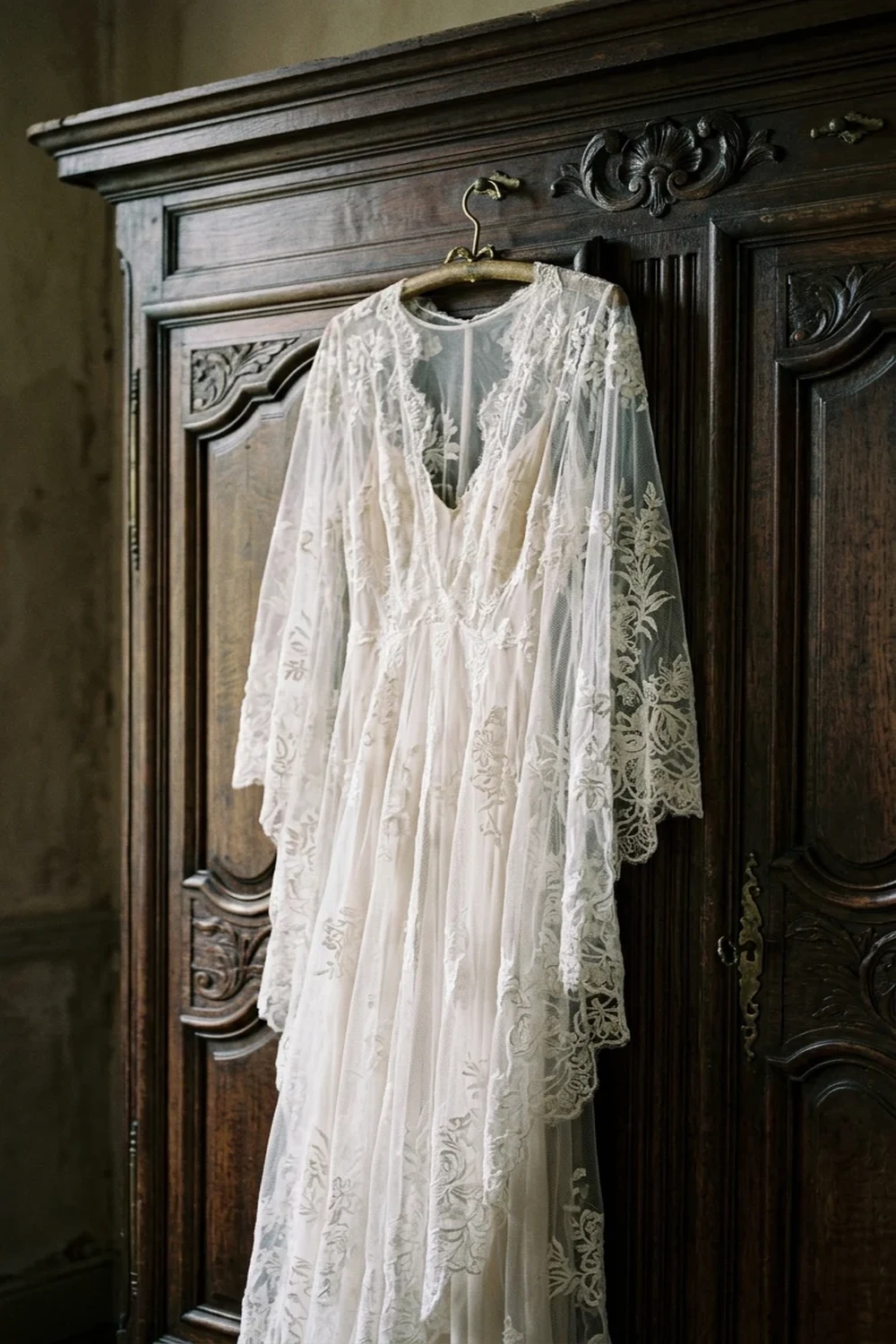
16. Lace Overlay Dress: Sheer Vintage Curtain Transformation
The lace overlay dress is an ethereal, sheer outer dress sewn from reclaimed Nottingham lace curtains and designed to be worn over simple base garments. The sheer texture instantly transforms basic slip dresses, bike shorts, or monochromatic bodysuits into avant-garde fashion statements.
- Sourcing Antique Lace: Vintage sheer lace window coverings supply extensive seamless width with intricate, pre-woven edge motifs.
- Under-Layer Coordination: Wearing the dress over contrasting black, beige, or vibrant monochrome undergarments dramatically alters its visual mood.
- Seam Construction: Using clean French seams prevents raw lace mesh edges from fraying and ensures invisible durability along seamlines.
- Festive Versatility: The lightweight design functions effortlessly as a bohemian beach layer, bridal occasion piece, or gothic evening dress.

17. Ruffle Tie Blouse: Cottagecore Peasant Shirt
A ruffle tie blouse features gathered raglan sleeves, a ruffled collar neckline, and delicate front bow closures crafted from airy cotton voile or double gauze. This cottage-inspired top provides an ideal lesson in sewing bias neck bindings and tunnel drawstrings.
- Airy Fabric Selection: Cotton double gauze, unbleached muslin, and Swiss dot lawn provide the soft texture required for gathered drape.
- Front Tie Fasteners: Replacing hard buttons with multiple pairs of slim fabric cord ties adds artisanal detail and adjustable chest ease.
- Elasticated Ruffle Cuffs: Threading narrow elastic through sleeve hem casings creates instantaneous, functional ruffled cuffs at the wrist.
- Styling Pairings: Contrast the romantic cottagecore aesthetic of the blouse by pairing it with rigid wide-leg jeans or utilitarian work trousers.

The navy wide-leg co-ord set pairs high-waisted, wide-leg trousers with a minimalist boatneck sleeveless top sewn from matching navy blue washed linen. This monochromatic ensemble delivers the elevated sophistication of tailored suiting with the effortless comfort of loungewear.
- Fabric Drape & Weight: 6 oz to 7 oz medium-weight washed linen provides substantial opaque coverage with fluid, dramatic trouser swing.
- Waistband Engineering: Incorporating a flat front waistband with an elasticized back panel delivers a tailored look without sacrificing waist comfort.
- Versatile Capsule Separate: The trousers pair effortlessly with white tank tops, while the boatneck shell elevates tailored denim skirts and shorts.
- Sophisticated Palette: Deep navy blue masks minor stitch irregularities while resisting surface creasing more effectively than pale linen shades.

19. Sequin Crop Top: Upcycled Festive Statement
A sequin crop top breathes new life into damaged vintage evening wear by salvaging intact sequined yardage into a boxy, modern party blouse. This project teaches crafters how to handle specialty fabrics without damaging machine needles or compromising seam strength.
- Needle Preparation: Using a size 90/14 heavy-duty or microtex needle prevents deflection when stitching through sequin discs and mesh backing.
- Seam Clearing Technique: Removing individual sequins from seam allowances before stitching prevents bulky, irritating interior seams.
- Protective Interior Lining: Backing the sequin shell with soft stretch viscose or rayon jersey shields the wearer from scratchy underside threads.
- High-Contrast Styling: Balance the high-gloss shine by pairing this crop top with distressed boyfriend denim or tailored matte wool trousers.

20. Pom-Pom Vest: Playful Folk-Inspired Customization
The pom-pom vest is an accessible embellishment project where hand-wound or purchased yarn pom-poms are clustered across a thrifted knit or boiled wool vest. It instantly updates plain thrift store knitwear with vibrant bohemian color and three-dimensional tactile texture.
- Attachment Methods: Hand-tacking with matching wool yarn provides a secure bond, while flexible washable fabric adhesive offers a no-sew shortcut.
- Color Coordination: Assembling pom-poms in floral geometric formations or monochrome gradations creates an elevated, intentional design.
- Base Vest Selection: Neutral cream, oatmeal, or charcoal wool vests provide a balanced foundation for multicolored yarn clusters.
- Maintenance Protocol: Turning the decorated vest inside out and placing it in a mesh laundry bag safeguards the embellishments during gentle washing.
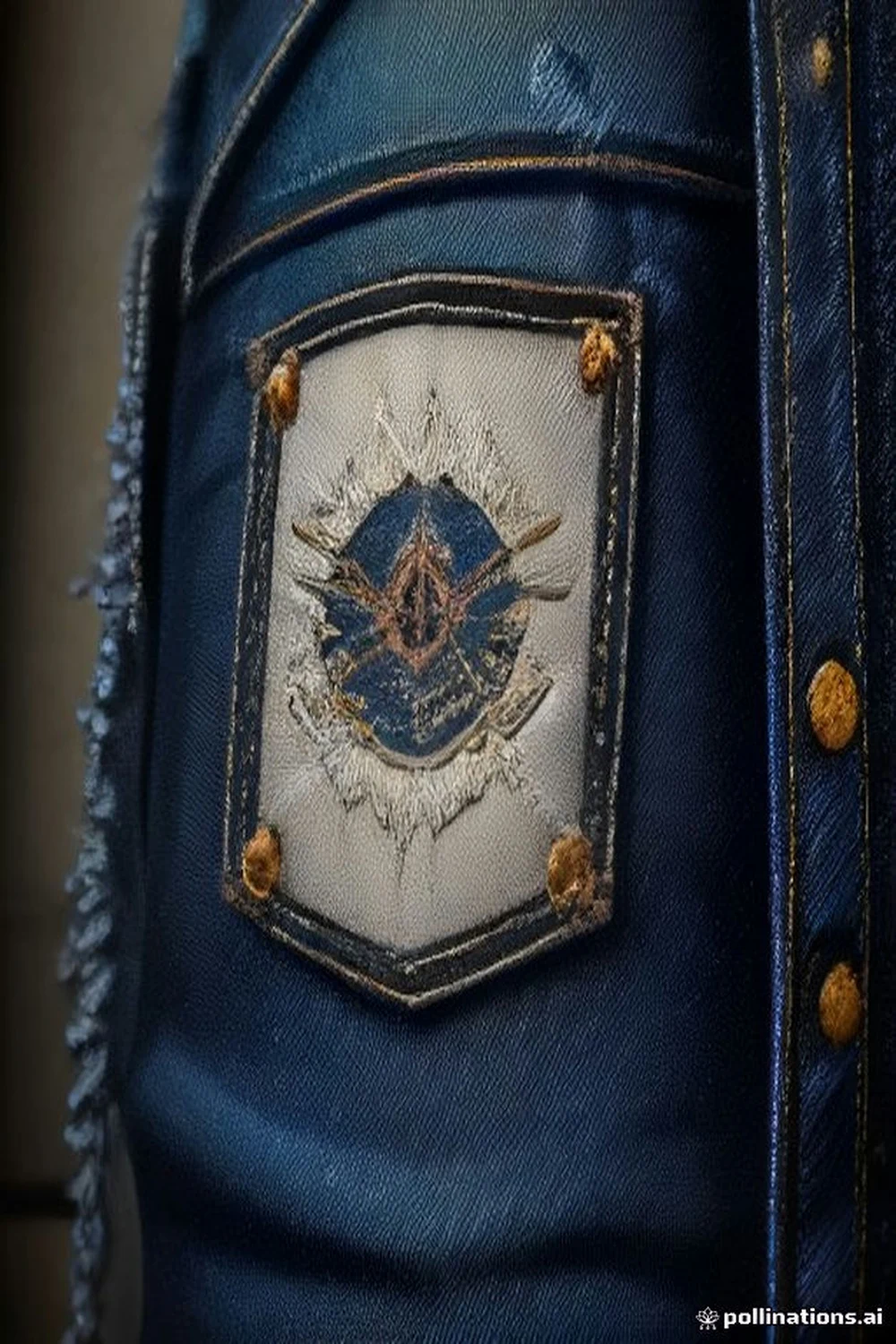
21. Patched Punk Pants: Visible Mending Denim Project
Patched punk pants turn worn-out denim into an edgy fashion statement using scrap fabric patches, raw edges, and visible sashiko or contrast hand stitching. This project embodies sustainable zero-waste philosophy by turning frayed knees and tears into high-impact visual design features.
- Scrap Utilization: Incorporating plaid flannel scraps, heavy canvas, and graphic print remnants clears out leftover sewing bin scraps.
- Thread Strength: Utilizing heavyweight contrast embroidery floss or sashiko thread provides durable reinforcement and bold graphic lines.
- Raw Edge Aesthetics: Leaving patch borders unhemmed allows washing cycles to produce authentic distressed fringing over time.
- Functional Reinforcement: Placing patches behind worn thigh and knee zones structurally extends the working lifespan of favorite jeans by years.

22. Painted Tee Dress: Wearable Botanical & Graphic Art
A painted tee dress transforms an inexpensive oversized heavyweight white T-shirt into wearable custom art using soft-body fabric paints and textile markers. This project enables fashion creators to experiment with hand-painted botanicals, typography, and abstract shapes without pattern drafting.
- Textile Medium Choice: Mixing soft fabric medium with acrylic paint keeps the design soft and pliable without cracking or stiffening.
- Bleed Prevention: Sliding a smooth sheet of cardboard or plastic wrap inside the garment prevents paint bleed-through to the back panel.
- Heat Setting: Curing dry paint with a hot dry iron over parchment paper bonds pigment permanently into the cotton fibers for laundering.
- Oversized Proportions: Sizing up to 2XL or 3XL yields an effortless mini-dress length that styles comfortably with chunky combat boots.

23. Denim Utility Vest: Upcycled Jacket Refashion
A denim utility vest is created by removing the sleeves of a discarded vintage denim jacket and replacing or embellishing the pockets with durable workwear details. This upcycle yields a functional layering piece packed with architectural pockets, raw armholes, and utilitarian appeal.
- Sleeve Removal: Cutting along the outer shoulder seam preserves the original armhole topstitching, or trimming close leaves a stylish frayed edge.
- Cargo Pocket Additions: Stitching box-pleated cargo pockets onto the lower front panels dramatically increases functional gear storage.
- Distressing Methods: Buffing collar edges and hem points with coarse 80-grit sandpaper creates realistic vintage wear marks in minutes.
- Year-Round Utility: Layer this rugged denim vest over lightweight summer dresses, basic hoodies, or chunky turtleneck knit sweaters.

24. Retro Tent Dress: Flowing 1960s A-Line Silhouette
The retro tent dress is a dramatic triangular dress that flares out widely from a gathered high neckline to a sweeping floor-sweeping or knee-length hemline. Its loose swing construction requires zero waist fitting, making it one of the most comfortable sewing patterns to construct.
- Pattern Drafting: Expanding the side seams outward at a sharp 30-degree angle from underarm to hem generates voluminous drape.
- Print Selection: Psychedelic swirls, bold oversized florals, or geometric pop-art prints emphasize the 1960s mod aesthetic.
- Neckline Finishes: Gathering the excessive volume into a clean bias-bound halter band or mandarin collar creates a flattering top contrast.
- Effortless Wearability: The generous silhouette allows unrestricted airflow, making this an ideal garment for hot weather events.

25. Flowy Cream Pants: Wide-Leg Minimalist Trousers
Flowy cream pants are elegant wide-leg trousers featuring a high-rise waistline and deep pleats sewn from soft cream linen, lyocell, or wool twill. They offer the timeless polish of luxury resort wear while requiring only basic straight-line sewing and an elasticated or zip waistband.
- Fabric Choice: Choosing high-density rayon twill, lyocell, or midweight European flax linen prevents see-through opacity issues while ensuring movement.
- Waistband Construction: A wide 2-inch topstitched waistband creates a secure high-rise fit that anchors the wide-leg proportions.
- Hem Finishing: Hand-stitching a deep 2-inch blind hem adds professional weight to the bottom edges, helping the legs drape cleanly over shoes.
- Capsule Versatility: Cream trousers coordinate seamlessly with neutral knitwear, tailored black blazers, or casual boxy cropped tees.

26. Ruffled Lace Blouse: Romantic Sheer Upcycle
A ruffled lace blouse combines vintage sheer net lace, delicate flutter cap sleeves, and cascading chest ruffles into an elegant heirloom-inspired top. This project showcases how delicate antique lace fabrics can be integrated into contemporary romantic fashion silhouettes.
- Curtain Fabric Selection: Lightweight cotton bobbinet or lace net curtains yield soft ruffles that gather without scratchiness.
- Sleeve Construction: Curved circular flutter sleeves deliver soft shoulder coverage without needing set-in sleeve armhole shaping.
- French Seaming: Enclosing raw mesh edges inside miniature French seams eliminates fraying and prevents interior skin irritation.
- Styling Combinations: Balance the sheer delicacy of the lace by layering it over neutral silk camisoles paired with structured high-waisted denim.

Easy DIY Clothes for Beginners: Best Projects to Start Today
Beginning your DIY clothing journey is most successful when you start with existing garments rather than attempting to cut and sew intricate tailored pieces from scratch. Altering thrifted clothing builds hands-on confidence with textile behavior while eliminating the frustration of complex pattern fitting.
- Start with Embellishment: Projects like the Painted Tee Dress and Pom-Pom Vest develop creative styling without requiring machine sewing skills.
- Progress to Deconstruction: Cutting sleeves to craft the Denim Utility Vest or slashing hems for the Fringe Bead Tee introduces garment restructuring.
- Advance to Simple Upcycles: Crafting the Scarf Halter Top teaches drape manipulation and neck casing construction with minimal seam work.
- Graduate to Woven Projects: The Gingham Wrap Skirt and White Maxi Skirt provide the ideal entry point into measuring, cutting, and gathering full garments.

What Do You Need to Make DIY Clothes? Essential Tools & Equipment
Launching an efficient home clothing studio requires only a compact collection of dependable cutting, measuring, marking, and stitching tools. Investing in sharp scissors and durable notions prevents fabric snagging and produces clean, durable seamlines across every project.
- Cutting Implements: High-carbon dressmaker shears and a rotary cutter with an accompanying self-healing mat ensure clean cuts without fabric fraying.
- Marking & Measuring: Flexible vinyl tailor measuring tapes, metal hem gauges, and water-soluble tailor chalk deliver accurate measurements and seam allowances.
- Stitching Hardware: A dependable mechanical sewing machine equipped with universal, ballpoint, and denim needles handles diverse textile weights.
- Notions & Supplies: Silk glass-head pins, non-toxic fabric glue, clear pattern rulers, and a magnetic seam guide ensure consistent precision.

Easy Ways to Upcycle Clothes You Already Own: Zero-Waste Wardrobe Guide
Upcycling existing closet items is a sustainable fashion method that redesigns underutilized or damaged garments into on-trend wearable designs. Before discarding ill-fitting clothing, evaluating structural seams and fabric quality reveals surprising opportunities for creative refashioning.
- Hemline Transformations: Cropping oversized graphic shirts, hoodies, or long pants immediately modernizes outdated silhouette proportions.
- Dye & Color Rejuvenation: Using natural avocado pits, indigo, or fiber-reactive commercial dyes covers stubborn stains and refreshes faded cotton pieces.
- Hardware Upgrades: Swapping cheap plastic buttons for vintage horn, mother-of-pearl, or hammered brass buttons elevates basic cardigans instantly.
- Surface Embroidery: Stitching small botanical flowers or geometric motifs over fabric tears reinforces weak zones while celebrating visible repair.
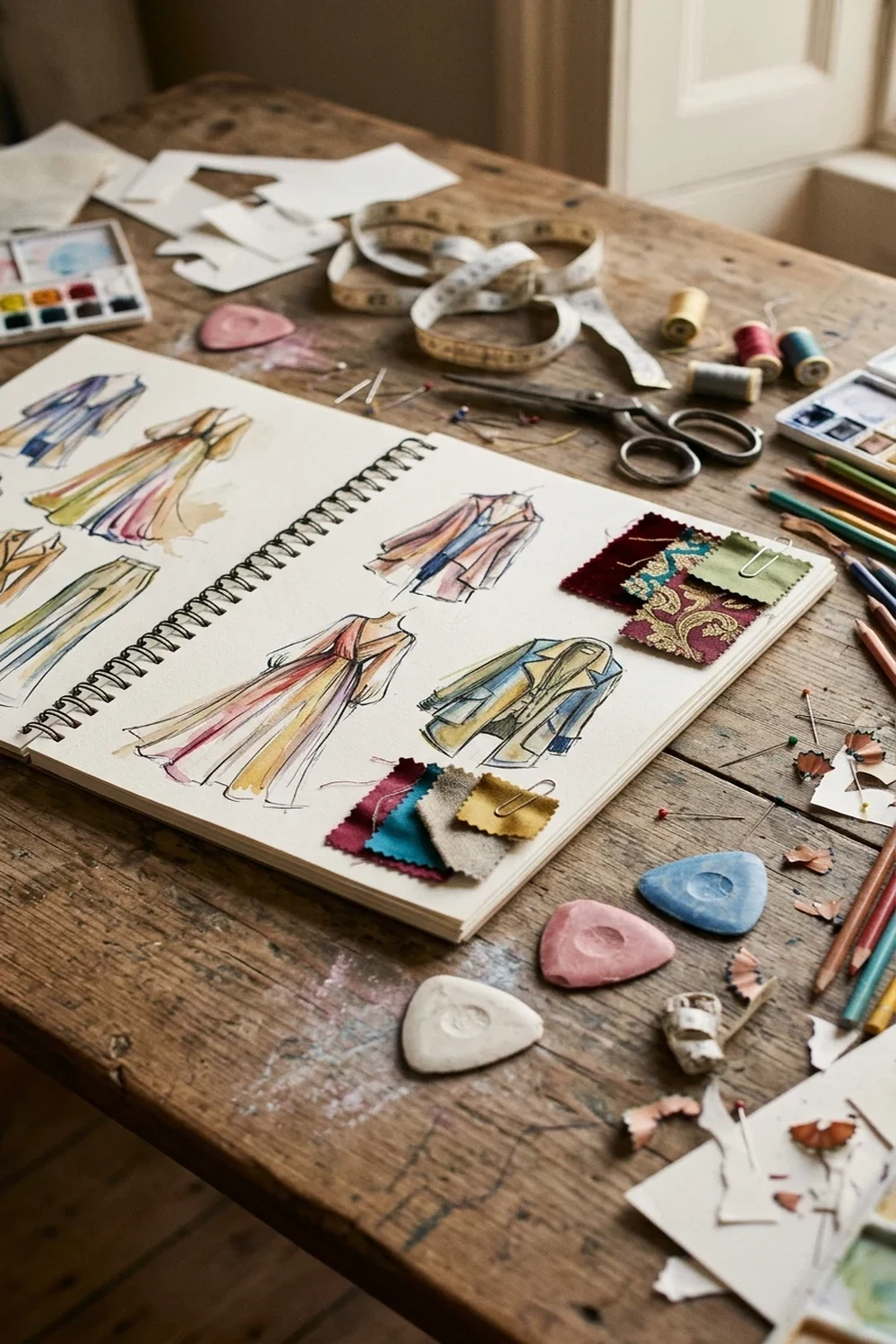
Make the Idea Your Own: Customizing Fits, Colors, and Embellishments
Personalizing DIY clothing designs ensures that every finished piece matches your individual body shape, lifestyle requirements, and aesthetic taste. Treating online project tutorials as modular frameworks rather than rigid rules unlocks limitless sartorial self-expression.
- Fabric Swapping: Replacing structured cotton poplin with fluid modal jersey changes a crisp daytime dress into a relaxed loungewear staple.
- Hardware Personalization: Experimenting with asymmetrical metal zippers, colorful snap buttons, or woven ribbon ties introduces unique focal points.
- Length Adaptations: Modifying patterns between mini, midi, and maxi hemlines ensures each garment aligns with your preferred footwear and comfort.
- Signature Stitching: Incorporating contrast topstitching thread or custom hand-embroidered tags creates a distinctive, artisanal signature.
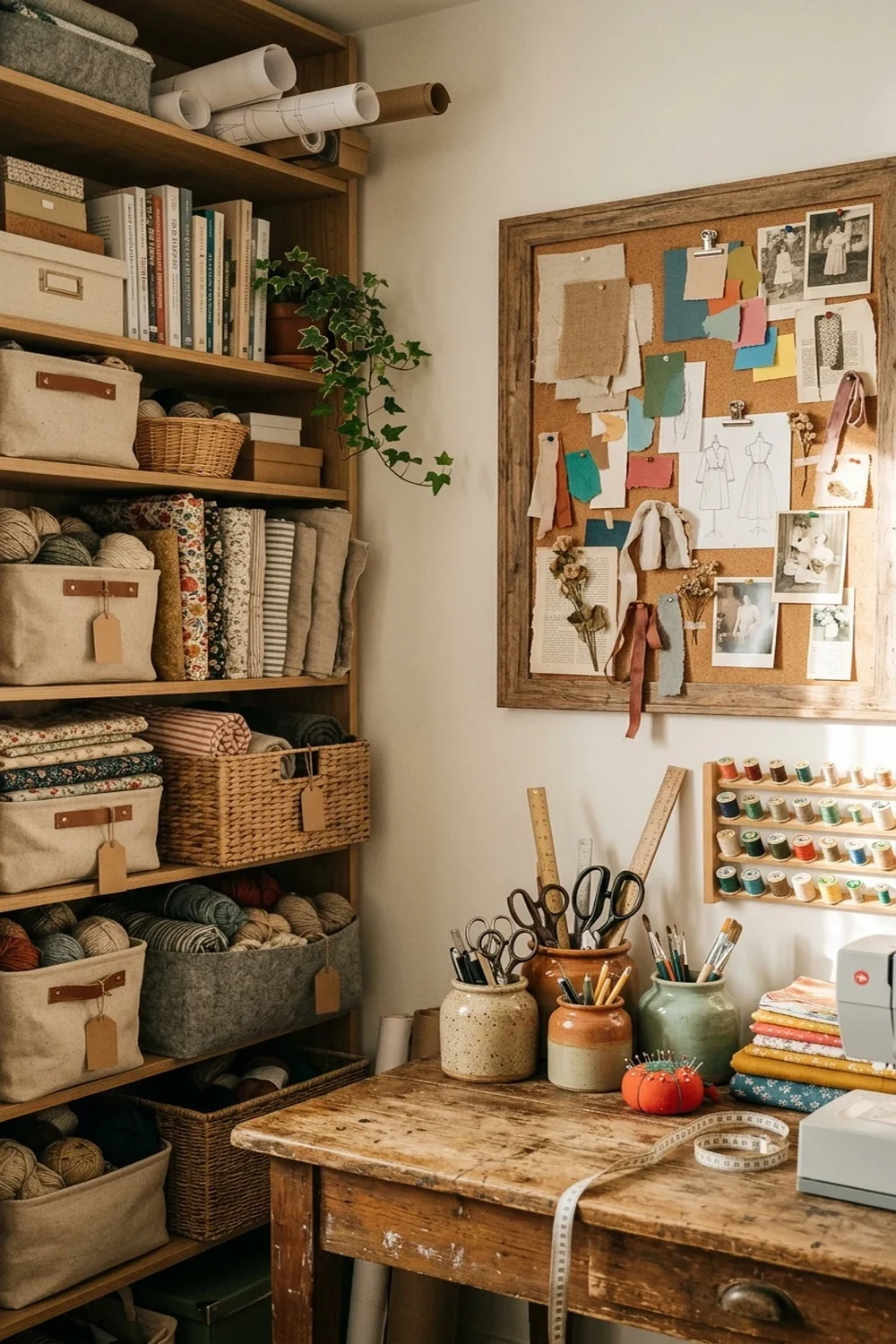
More Ideas You Might Like: Inspiring Craft Projects for Home & Wardrobe
Expanding your hands-on creative pursuits into home organization and textile recycling reinforces sustainable living habits across your entire household. Integrating modular storage solutions and upcycled home decor complements a thriving wardrobe customization hobby.
- Textile Stash Organization: Developing designated cubbies, clear bins, and hanging organizers keeps reclaimed fabrics sorted by weight and color.
- Functional Craft Displays: Building custom cork mood boards provides an inspiring surface for pinning sewing patterns, swatches, and design sketches.
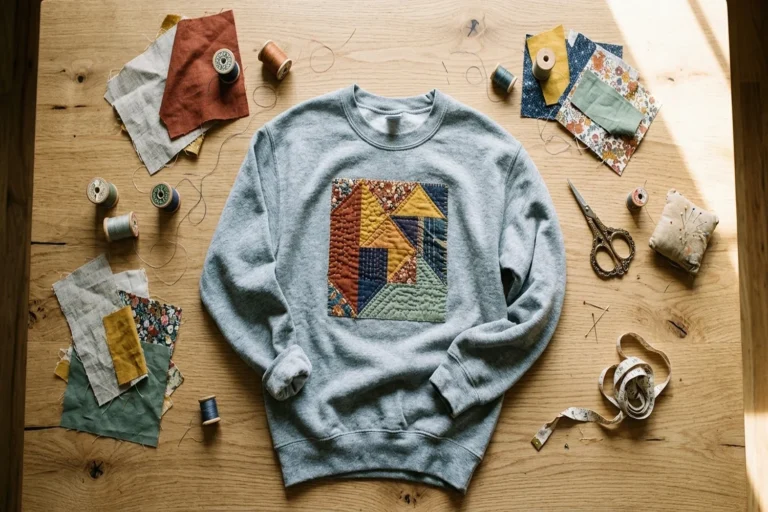
- Scrap Patchwork Techniques: Applying patchwork assembly methods across cozy fleece sweatshirts turns tiny leftover garment cuttings into wearable art.
- Cross-Craft Synergy: Applying basic sewing and upholstery techniques to home decor deepens overall textile manipulation mastery.
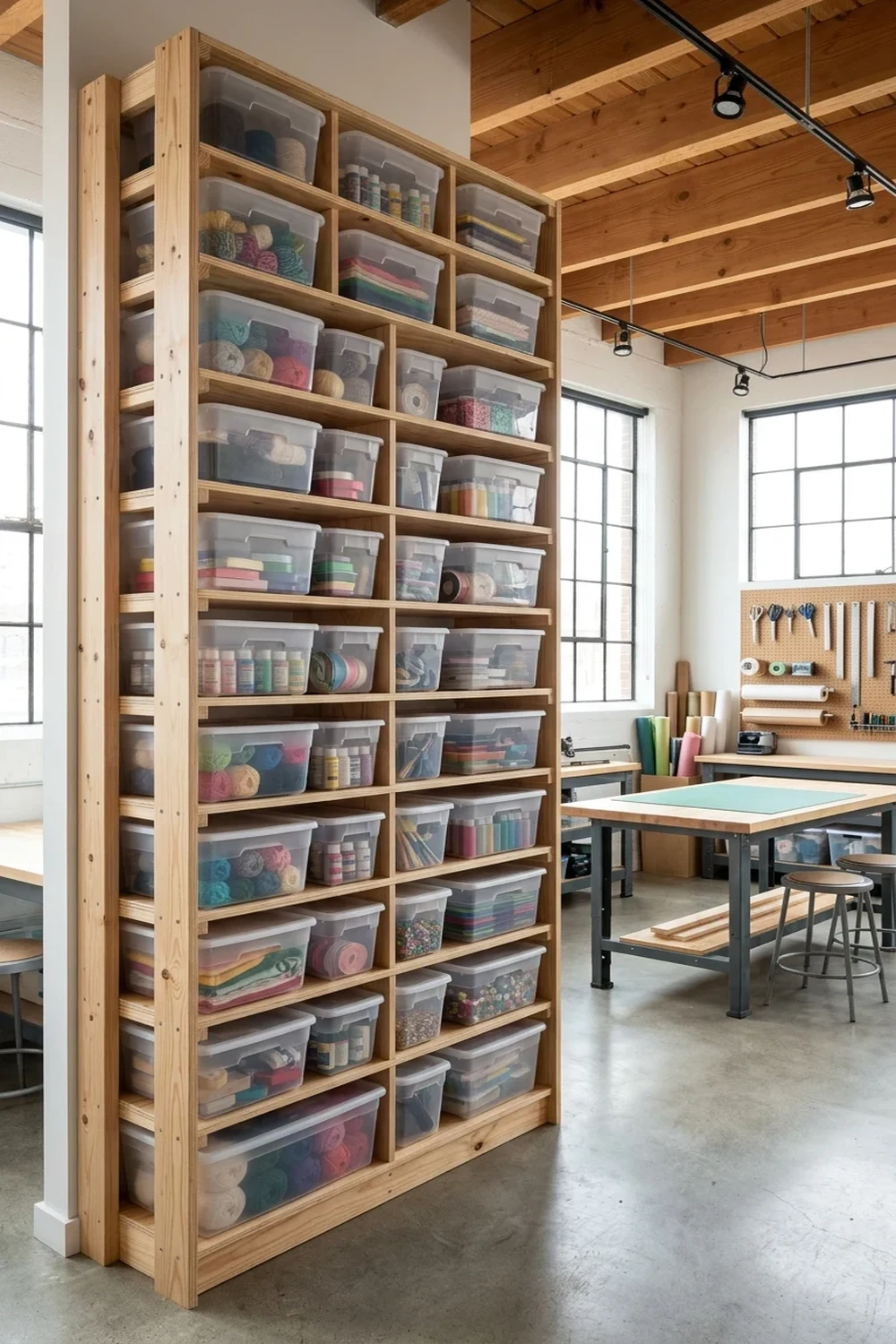
18 Storage Bin Rack DIY Ideas for 2026: Organize Your Craft Space
A DIY storage bin rack is a heavy-duty organization unit built with wood framing or PVC pipe to hold standardized plastic tote containers. Establishing organized bin storage keeps bulky fabric bolts, upcycling garments, and seasonal sewing tools systematically cataloged.
- Vertical Floor Efficiency: Stacking bins in a vertical slide-in timber framework utilizes vertical wall height while freeing valuable floor workspace.
- Clear Category Labeling: Tagging bins by textile fiber type, such as linen, denim, cotton, or trims, speeds up project prep time.
- Mobile Caster Integration: Mounting heavy-duty locking caster wheels to the rack base permits easy rolling across studio spaces during cleaning.
- Low-Cost Construction: Simple 2×4 dimensional lumber and wood screws yield an industrial-grade storage rack for less than fifty dollars.
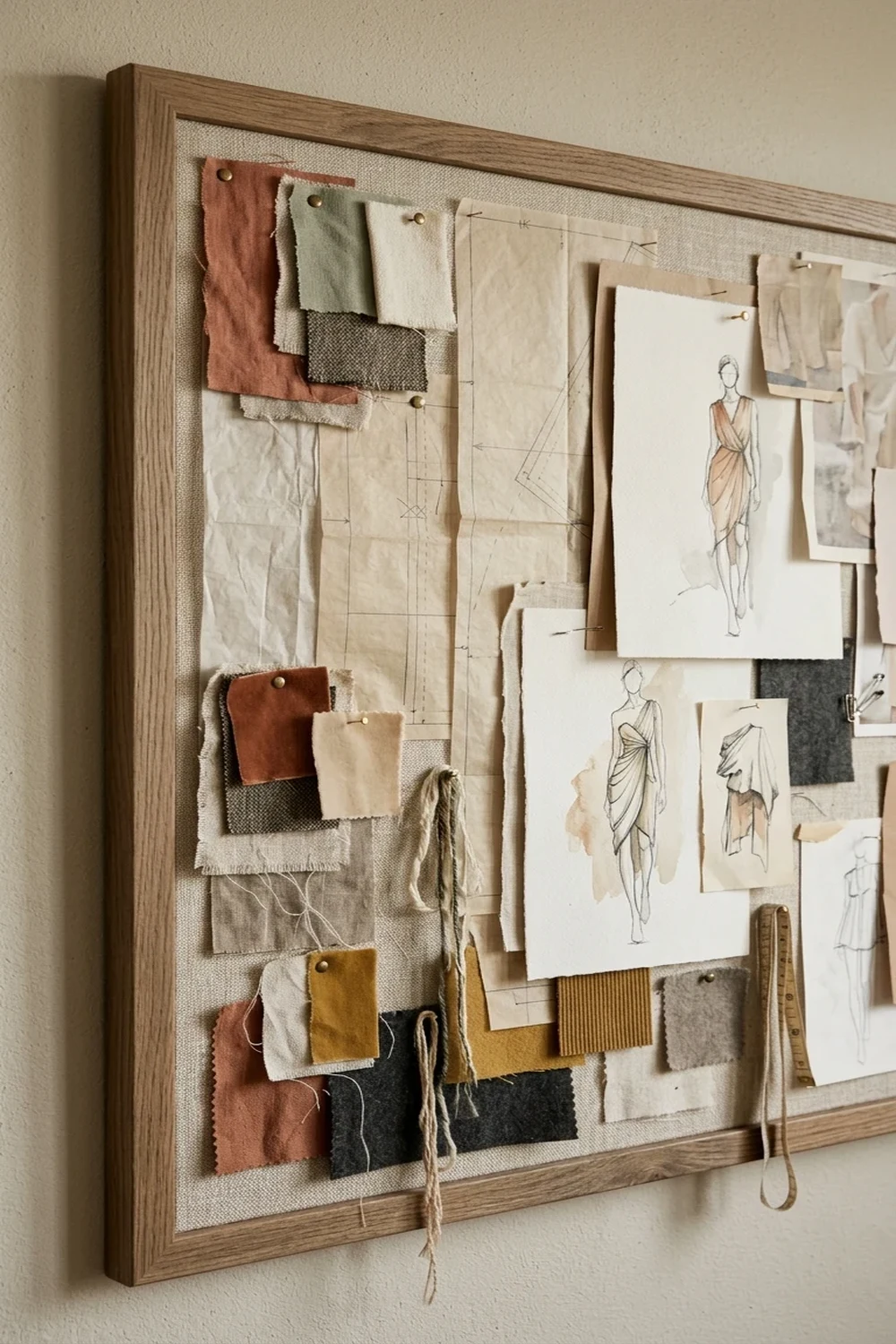
18 DIY Cork Board Ideas for 2026: Custom Sewing Mood Boards
A DIY cork board is an essential visual planning tool made by framing compressed cork sheets or upcycled wine corks inside painted wooden moulding. Pinning fabric swatches, pattern drafting instructions, and color palettes onto a dedicated board streamlines your garment design workflow.
- Fabric-Covered Framing: Wrapping cork tiles in neutral linen or cotton canvas softens the backdrop and prevents pin puncture wear over time.
- French Ribbon Pinboards: Crisscrossing grosgrain ribbons across the cork allows pattern instructions to be tucked securely without pin holes.
- Geometric Cork Tile Layouts: Arranging hexagonal or circular cork tiles creates an artful modular gallery wall suitable for any design studio.
- Repurposed Frame Backing: Inserting recycled wine corks into thrifted ornate picture frames creates a luxurious vintage display board on a micro budget.
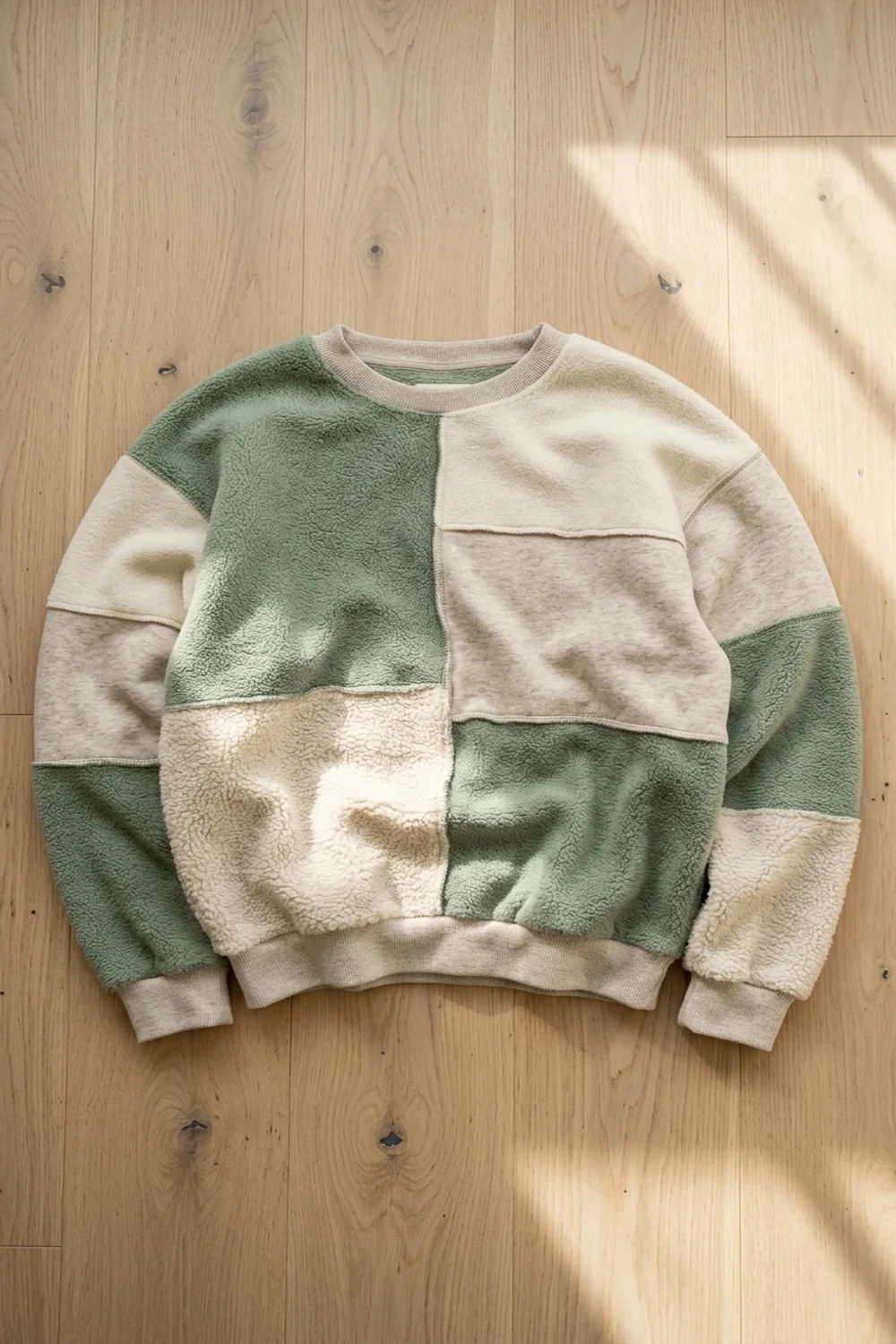
15 Patchwork Sweatshirt DIY Ideas for 2026: Cozy Scrap Fleece Projects
A patchwork sweatshirt is an upcycled fleece garment created by piecing together colorful remnant cotton fleece, vintage sweaters, and French terry scraps into a color-blocked pullover. This cozy project transforms cutting room fabric waste into high-demand street fashion.
- Color-Blocking Harmony: Combining complementary tones such as heather gray, forest green, and mustard produces a balanced, cohesive garment palette.
- Knit Seam Stabilization: Sewing patchwork joins with a 4-thread serger or stretch ballpoint zigzag stitch prevents popped seams during movement.
- Ribbed Trim Reuse: Preserving original wrist cuffs and neck ribbing from donor sweatshirts simplifies reconstruction and retains professional stretch.
- Zero-Waste Efficiency: Assembling irregular geometric scrap shapes into mosaic panels ensures zero fabric remnants end up in the trash bin.
Key Takeaways & Final Thoughts on DIY Fashion
Crafting your own clothing in 2026 offers the ultimate intersection of sustainable living, bespoke personal styling, and mindful creative expression. By beginning with accessible upcycling projects like painted tees and patched denim before advancing to full wrap dresses and linen co-ord sets, you cultivate timeless sewing skills that liberate your wardrobe from mass-market trends.
Gather your essential cutting tools, examine your closet for garments ripe for transformation, and begin customizing pieces that make you feel truly confident. With each completed seam and repurposed textile, you build a sustainable, one-of-a-kind handmade wardrobe designed to last for years to come.