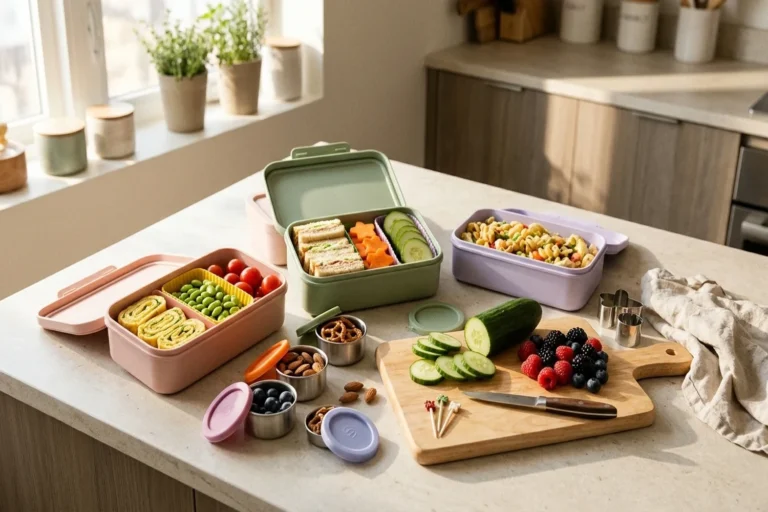
27 Best Fridge Organization Ideas to Keep Food Fresh
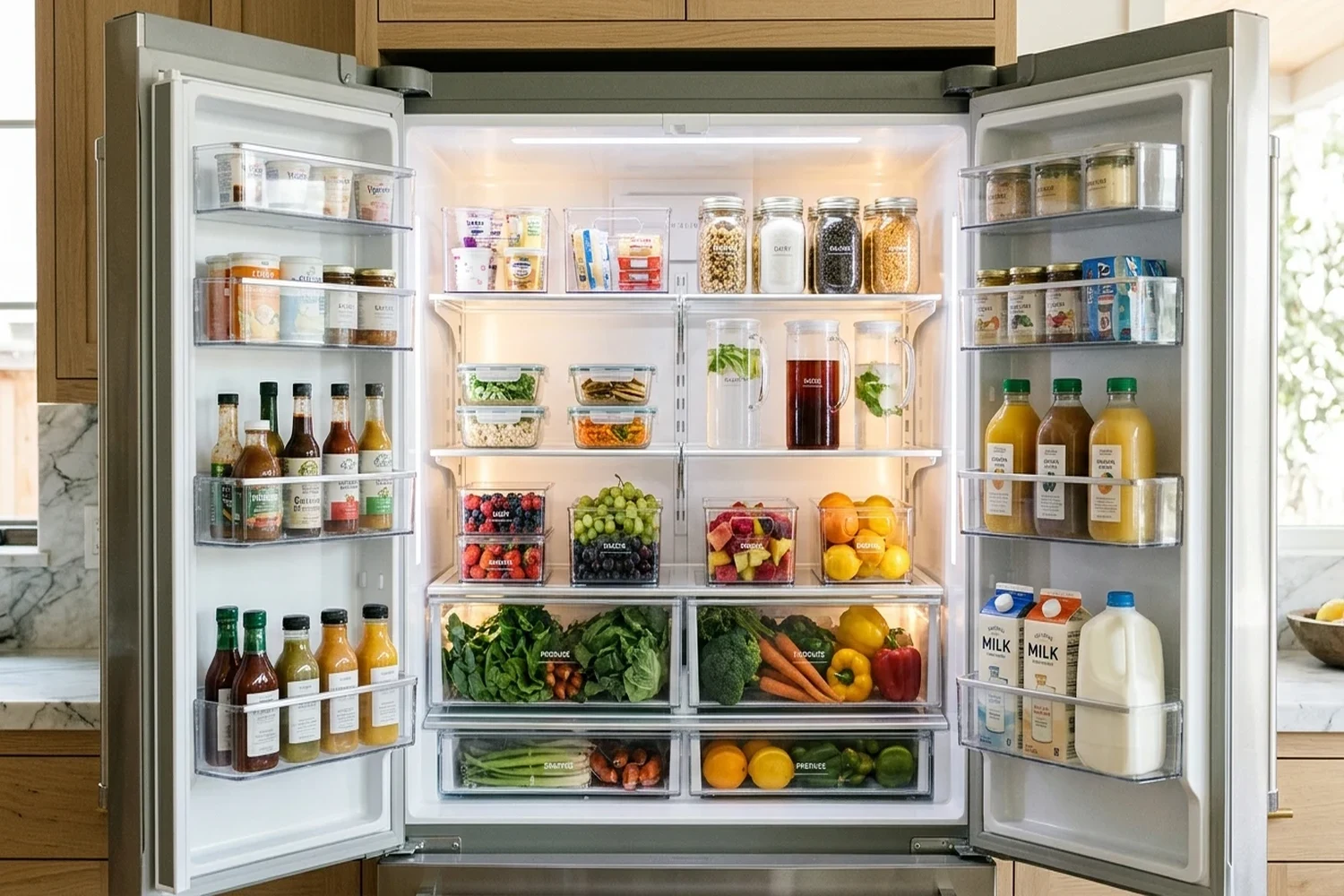
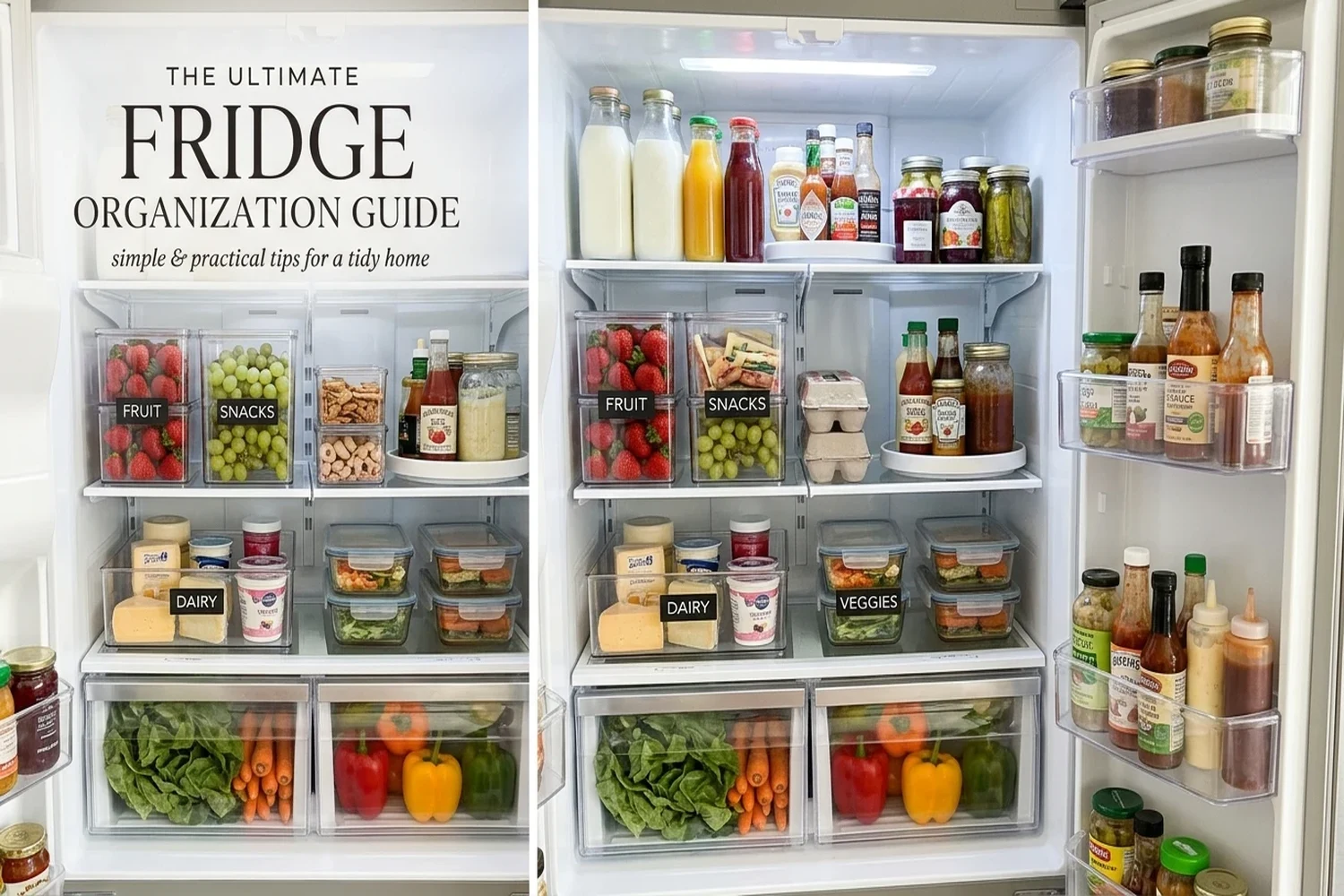
Smart fridge organization prevents food spoilage by aligning perishable groceries with your refrigerator’s distinct temperature zones and maintaining high line-of-sight visibility. When you position ready-to-eat meals at eye level and store raw meats on colder bottom shelves, you eliminate forgotten leftovers and stop bacterial cross-contamination. Implementing structured vertical bins and dedicated clear storage zones ensures everyday ingredients stay fresh up to twice as long.
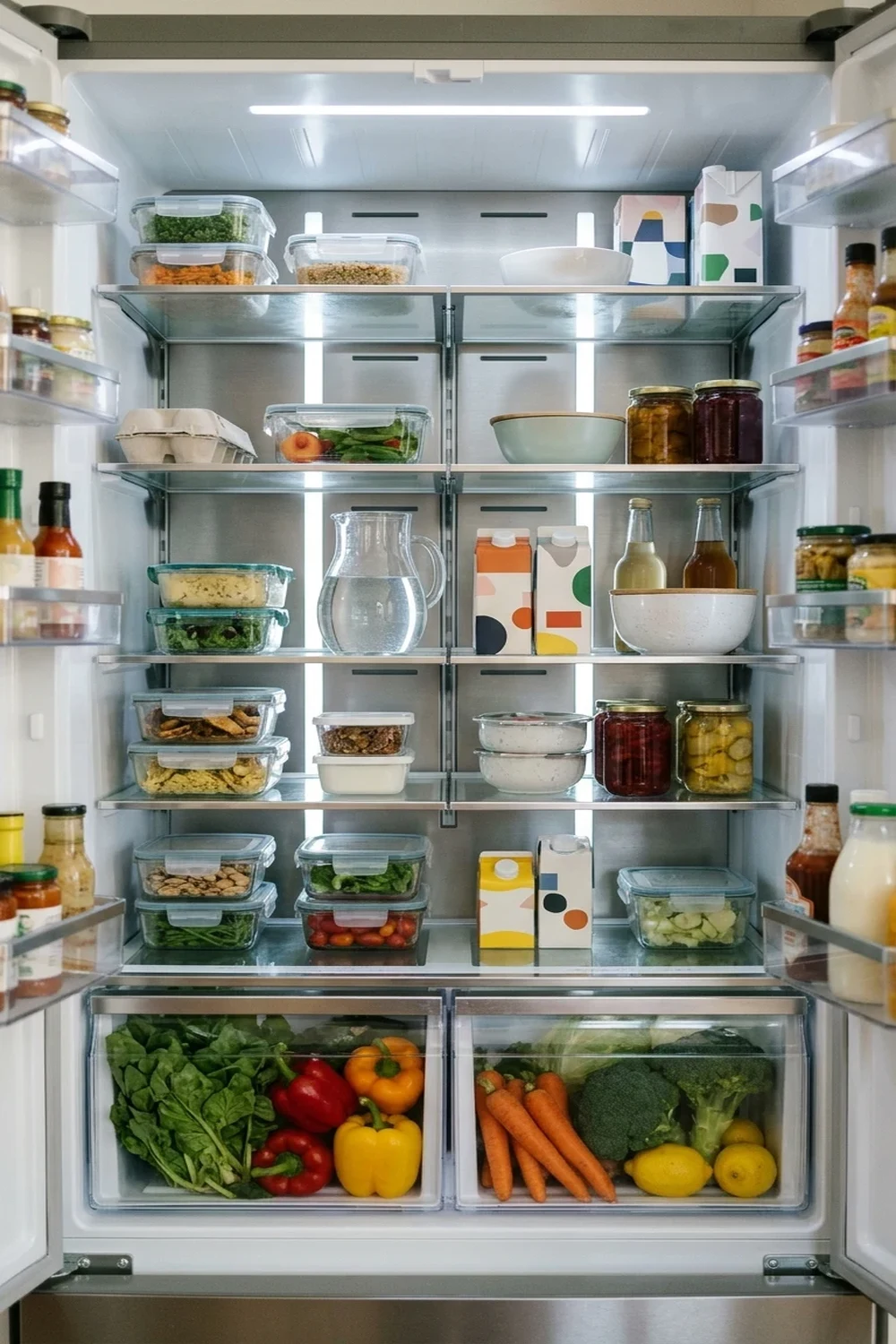
How do I organize my fridge to keep food fresh longer?
Organizing a refrigerator according to precise internal temperature zones extends food freshness by up to 40 percent and prevents premature spoilage. Upper shelves maintain a steady 38°F (3.3°C), middle racks stay around 37°F (2.8°C), and bottom shelves reach 34°F to 36°F (1.1°C to 2.2°C). Mapping ingredients strictly to these cold zones eliminates thermal degradation, bacterial proliferation, and accidental cross-contamination across different food categories.
- Top Shelf Placement: Store ready-to-eat foods, prepared snacks, and leftovers on the upper shelf where temperatures remain stable and visibility stays highest.
- Middle Shelf Dairy Anchor: Keep milk, yogurt, and pasture-raised eggs on the middle tier rather than door bins to shield them from ambient warm-air exposure.
- Bottom Shelf Raw Proteins: Place raw meats and poultry inside rimmed leak-proof bins at the lowest level to contain drippings and maintain the coldest chilling point.
- Door Bin Limitations: Reserve door storage exclusively for high-acid condiments, unopened sodas, and stable preserves that easily withstand 42°F (5.5°C) temperature fluctuations.
- Crisper Humidity Regulation: Set fruit crispers to low humidity and vegetable drawers to high humidity to prevent moisture rot and premature limpness.
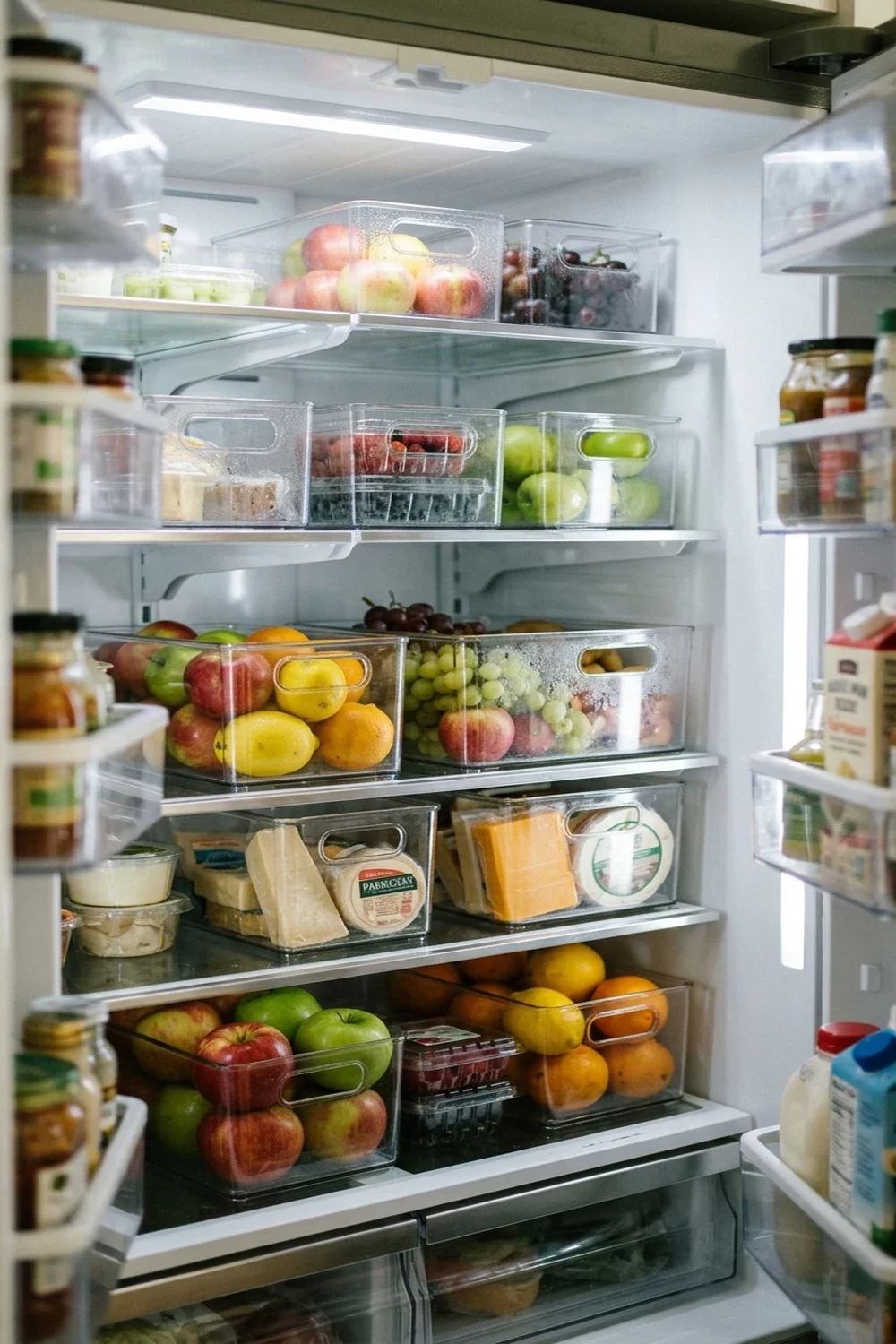
Clear Zone System for Fridge Storage
The Clear Zone System is a zoning architecture that utilizes transparent acrylic containers to establish functional boundaries across every shelf. By categorizing foods into designated clear modular containers, this layout eliminates blind spots and ensures every item remains completely visible under side-wall illumination. Maintaining rigid containment lines stops cross-category clutter and immediately signals inventory deficits before grocery trips.
- Visual Inventory Tracking: Use transparent BPA-free acrylic bins so every family member can spot ingredients instantly without moving surrounding items.
- Dedicated Snack Modules: Group cheeses, hummus tubs, and washed grapes into one pull-out container to simplify quick daytime grabs.
- Deli Containment Racks: Isolate cured meats, specialty spreads, and sandwich components into a shallow bin to streamline daily lunch preparation.
- Airflow Spacing: Leave a one-inch air corridor between acrylic bins so cold air circulates evenly throughout the entire cooling chamber.
- Spill Isolation Safeguards: Contain jar spills and package leaks within easy-to-wash acrylic trays rather than wiping entire glass shelves.
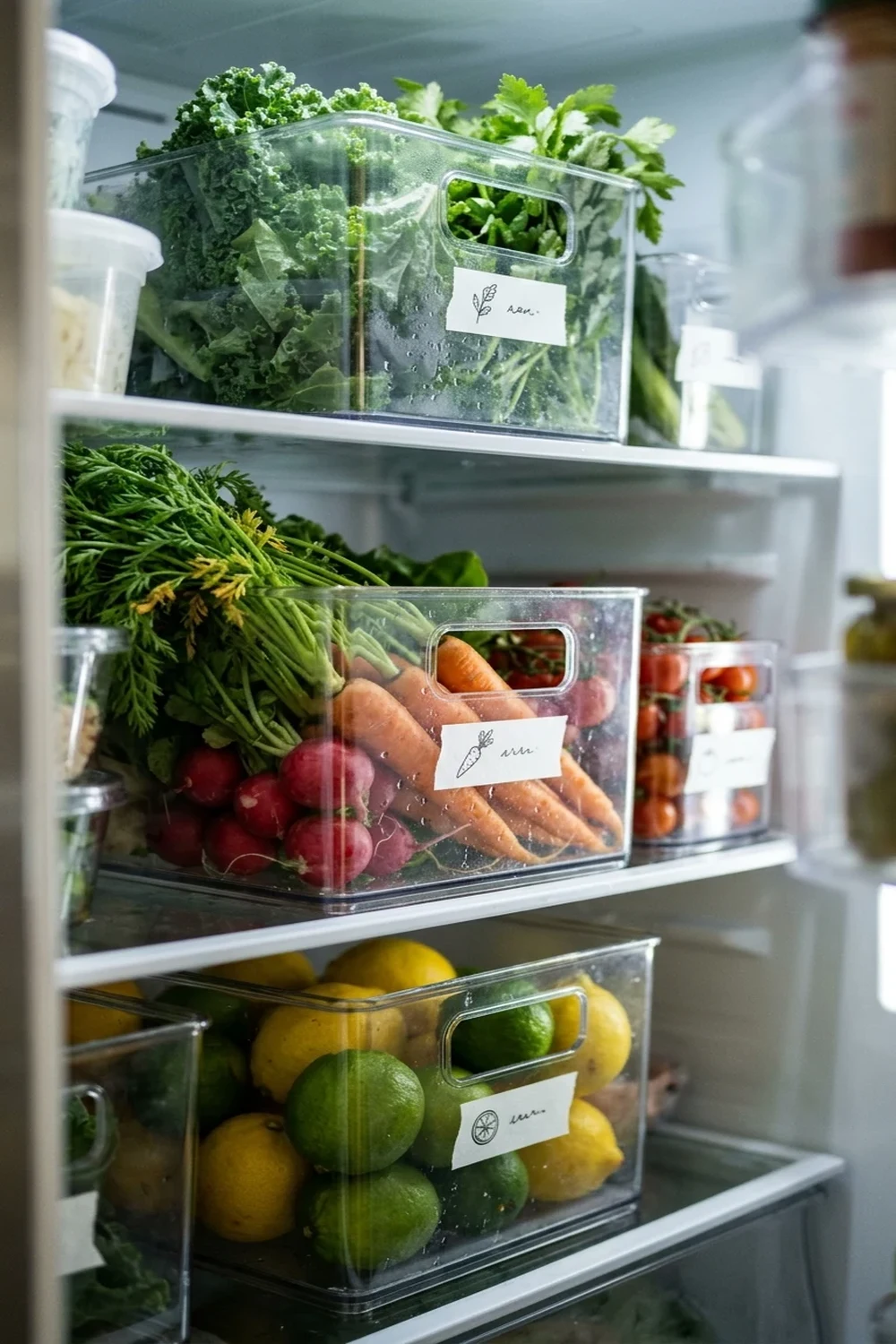
Label-Led Zones to Stop Food Waste
Label-led zones establish intuitive operational workflows inside the refrigerator by designating fixed physical homes for every food category with waterproof typography. Affixing durable vinyl or chalk labels onto designated containers prevents household members from misplacing ingredients and returning dairy to warmer outer edges. This organizational framework accelerates pantry-to-fridge replenishment and simplifies inventory audits during busy meal prep routines.
- Bold Typography Tags: Apply waterproof, high-contrast labels indicating food groups like Sauces, Dairy, or Leftovers to the front lip of every storage bin.
- Eye-Level Prioritization: Position high-turnover categories such as breakfast yogurts and mid-day snacks on center shelves where labels are directly readable.
- First-In First-Out Protocol: Affix wipe-clean expiration dates or weekday markers directly onto meal prep containers to prompt rapid consumption.
- Category Uniformity: Group items strictly by utility rather than original packaging shape so replacement items always fit into predetermined bins.
- Immediate Misplacement Detection: Spot wandering condiments instantly when empty designated bins expose visual gaps on labeled shelves.

Front-Row Meals for Quick Leftover Rotation
The front-row meals strategy positions prepped lunches and cooked dinners along the front edge of eye-level shelves to guarantee rapid rotation before expiration. Shifting prepared dishes into prime optical focus cuts household food waste by up to 30 percent compared to storing containers behind tall beverage cartons. Low-profile stackable glass dishes allow overhead LED arrays to illuminate contents clearly and incentivize prompt consumption.
- Eye-Level Staging: Anchor prepared dinner portions and open deli ingredients directly on the center shelf front row for unmissable daily access.
- Low-Profile Glass Vessels: Select shallow glass containers featuring clear flat lids to stack portions securely without blocking deeper sightlines.
- 48-Hour Consumption Window: Stage perishable cooked entrees closest to the door edge to signal priority consumption within two calendar days.
- Single-Row Alignment: Line up prepped dishes in a single linear row rather than clustering them several layers deep.
- Reflective Lighting Exposure: Position flat glass covers directly beneath central overhead LEDs to highlight meal colors and stimulate appetite.
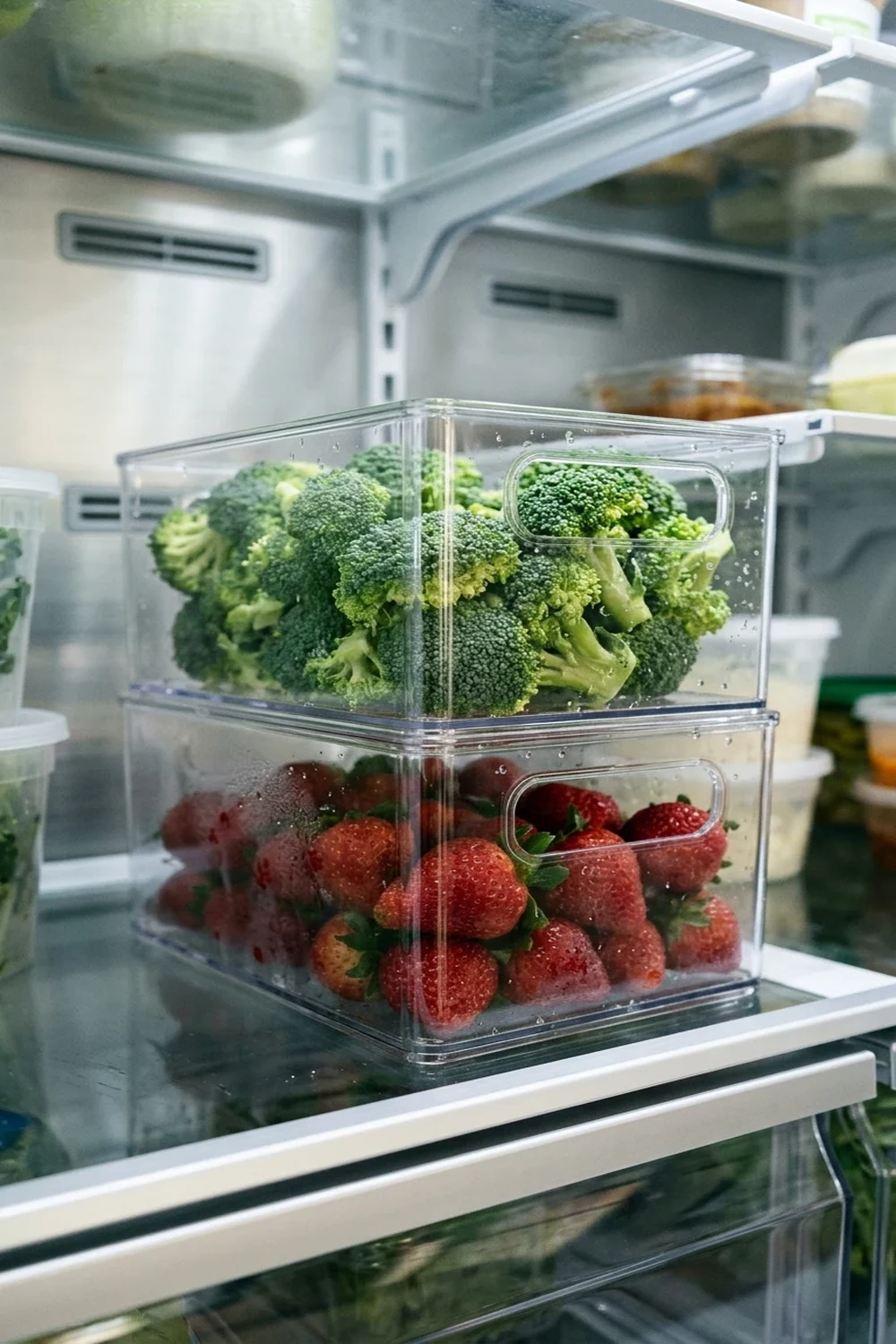
Stacked Produce Bins for Vertical Refrigerator Storage
Stacked produce bins maximize vertical refrigerator storage capacity while preventing delicate fruits and vegetables from bruising beneath heavy grocery items. Loose produce stored in grocery plastic bags traps excess ethylene gas and moisture, causing rapid decay and limp textures within three to five days. By utilizing transparent modular acrylic bins equipped with built-in drainage trays and adjustable ventilation sliders, you establish separate micro-climates that extend produce shelf life by up to forty percent.
- Airflow Regulation: Adjustable vent sliders on stackable bins control humidity levels, keeping moisture-sensitive berries dry while preserving crisp leafy greens.
- Vertical Volume Utilization: Stacking clear containers two to three tiers high reclaims up to fifty percent of unused vertical clearance between middle refrigerator shelves.
- Bruise Prevention: Rigid acrylic walls shield fragile stone fruits, grapes, and heirloom tomatoes from being crushed by heavier condiments or milk cartons.
- Ethylene Gas Separation: Isolating high-ethylene emitters like apples and pears into dedicated closed bins prevents premature spoilage of nearby ethylene-sensitive vegetables like broccoli and spinach.
- Integrated Ergonomic Handles: Front pull handles allow you to slide lower bins forward effortlessly without unstacking the entire column.
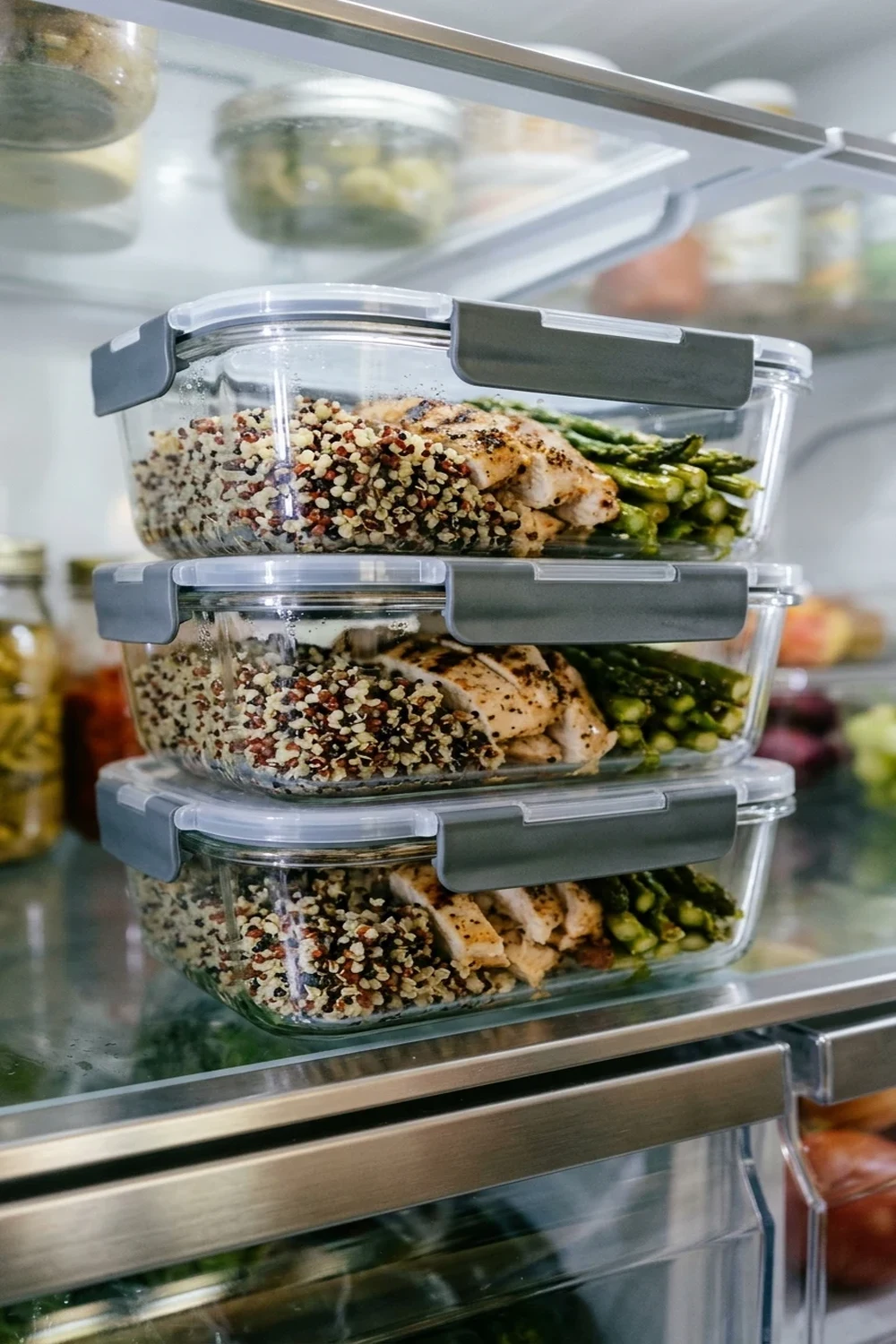
Prep-and-Stack Meals for Weekly Batch Cooking Efficiency
Prep-and-stack meals streamline weekday dinners and minimize kitchen food waste by consolidating portioned, cooked ingredients into uniform airtight glass containers. When home-cooked leftovers sit concealed in mismatched opaque plastic containers, households forget and discard approximately thirty percent of prepared food before consumption. Lining up identical low-profile glass meal containers on center refrigerator shelves keeps cooked proteins, grains, and roasted vegetables directly in sightlines for effortless weekday grab-and-go dining.
- Single-Row Sightlines: Aligning identical shallow meal containers across the front row of middle shelves guarantees that prepared dishes get noticed and consumed within three days.
- Borosilicate Glass Durability: High-grade glass meal containers withstand rapid temperature transitions from cold refrigerator shelves directly into microwave ovens or dishwashers without warping.
- Airtight Silicone Seals: Four-latch locking lids prevent cross-contamination of aromas while extending cooked food shelf stability up to five full days.
- Portion-Control Stacking: Standardized single-compartment and two-compartment containers stack stably up to three high without blocking upper LED light fixtures.
- Label-Ready Surfaces: Flat container lids provide a smooth surface for removable chalk tape or dry-erase markers indicating exact preparation dates and contents.
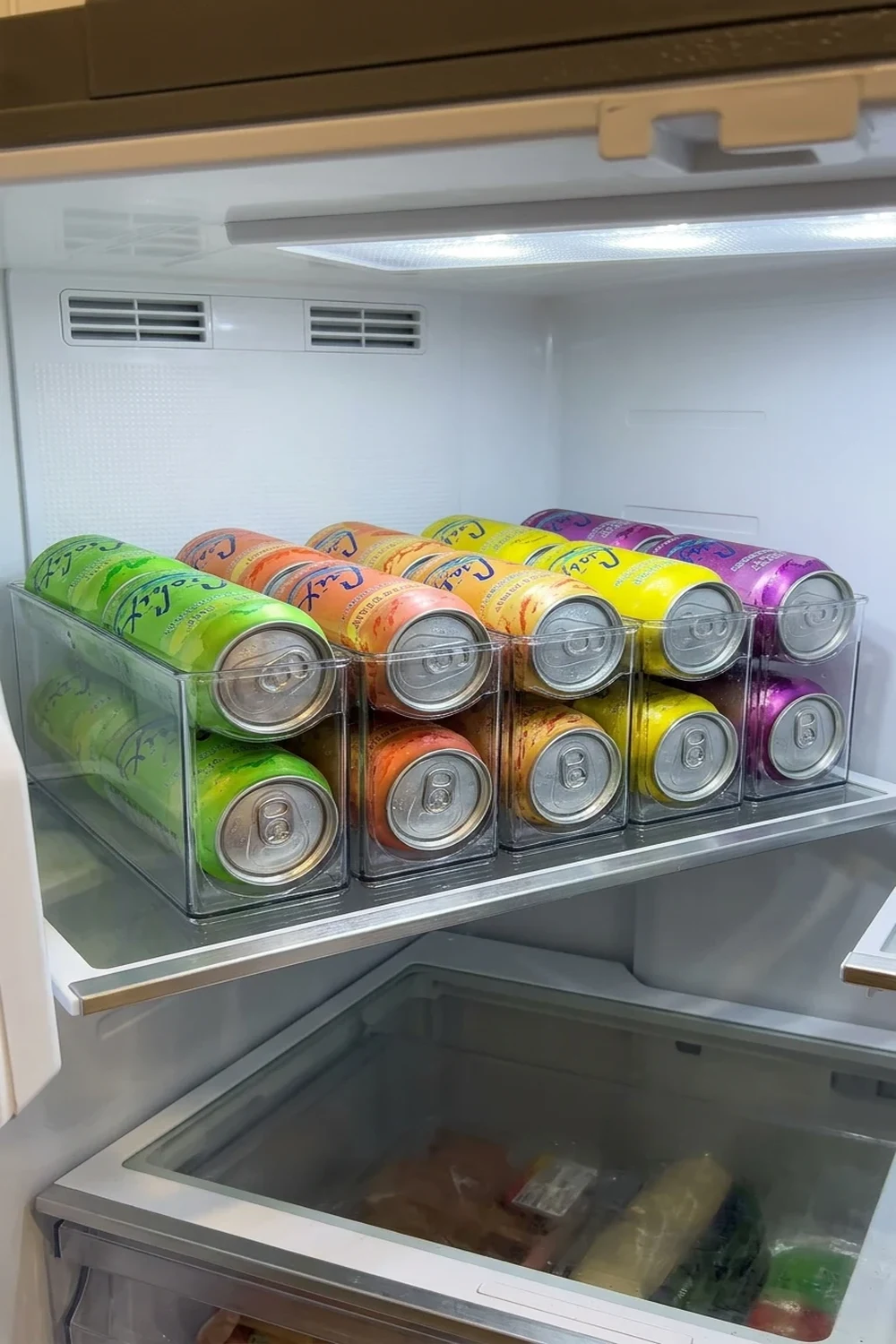
Drink-Dedicated Shelf Organization to Prevent Refrigerator Clutter
A drink-dedicated shelf consolidates scattered cans, milk cartons, and beverage bottles into one designated upper cooling zone, preventing visual chaos across main grocery shelves. Refrigerated beverages consume disproportionate amounts of lateral footprint when left unconfined, frequently tipping over or obscuring smaller chilled food packages. Installing spring-loaded drink glides or clear acrylic beverage organizers on an upper shelf maintains a continuous single-can front-facing presentation while protecting perishable dairy products elsewhere.
- Zone Centralization: Assigning one specific upper or middle shelf exclusively to hydration protects primary food shelves from being crowded by loose beverage cans.
- Spring-Loaded Glide Tracks: Automatic pusher dispensers feed the next chilled can forward immediately when one can is pulled, preserving clean front-row alignment.
- Chilling Temperature Optimization: Upper refrigerator shelves maintain consistent 37-degree to 40-degree Fahrenheit temperatures ideal for seltzers, kombuchas, and canned cold brews.
- Spill Containment: Dedicated non-slip acrylic beverage bins catch sticky condensation rings and soda drips before liquids reach fresh groceries underneath.
- Horizontal Can Racks: Curved horizontal beverage dispensers accommodate up to ten standard twelve-ounce cans in compact spaces beneath fixed-height shelving.
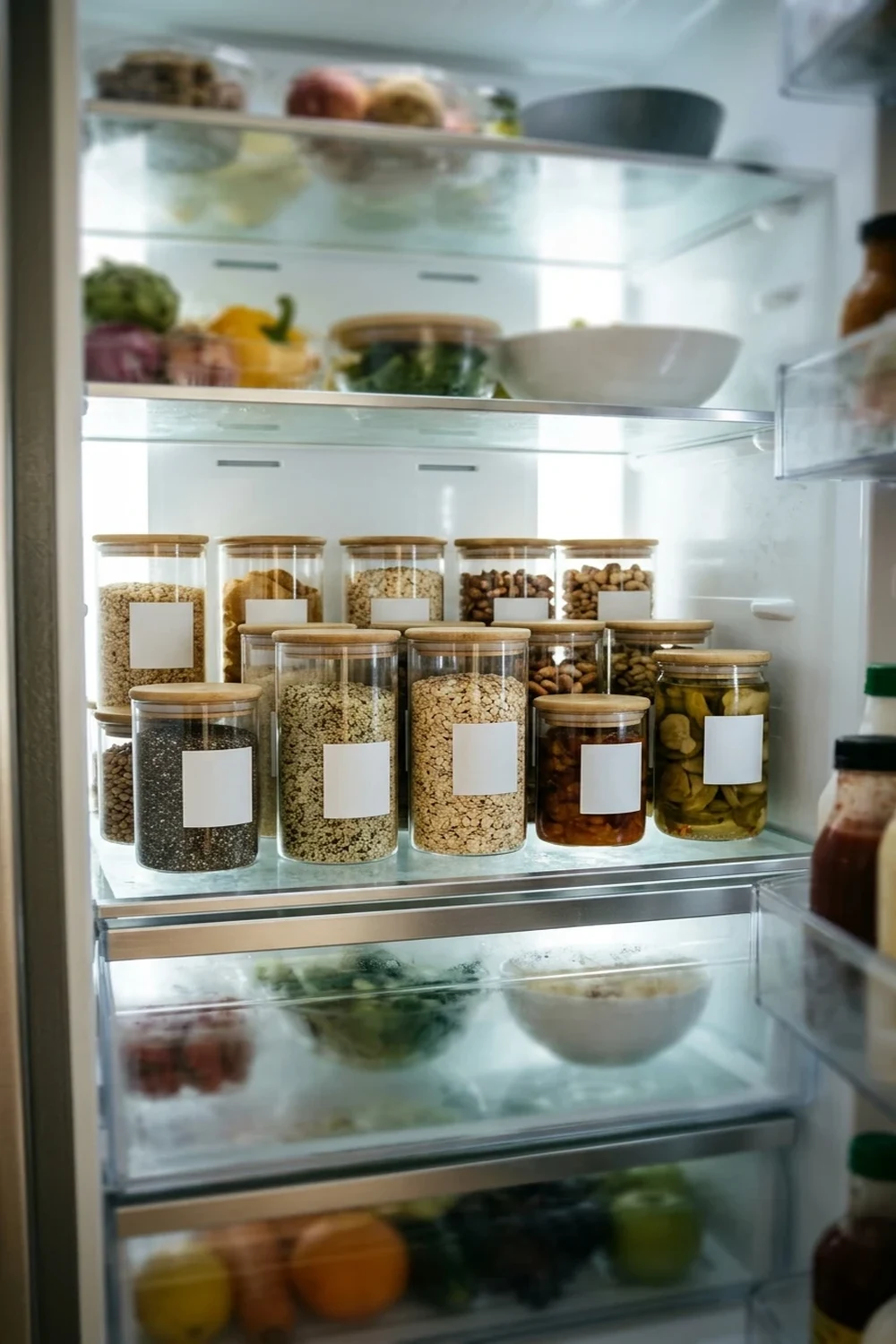
Uniform Jar System for Airtight Refrigerator Condiment Storage
A uniform jar system decants odd-shaped store condiments, homemade dressings, and pickling liquids into matching glass jars, eliminating bulky brand packaging and erratic shelf clutter. Commercial condiment bottles come in irregular plastic geometries that waste up to thirty-five percent of refrigerator door and shelf space. Replacing commercial bottles with calibrated eight-ounce and sixteen-ounce wide-mouth glass jars with matching metal or bamboo lids maximizes linear packing density while providing instantaneous inventory visibility.
- Standardized Footprint: Identical round or square jar bases pack flush against one another, eliminating odd gaps created by irregular commercial plastic squeeze bottles.
- Wide-Mouth Access: Wide-neck glass jars allow standard kitchen measuring spoons to fit directly inside for convenient cooking prep without messy pouring.
- Odor and Stain Resistance: Non-porous glass material prevents potent pickling spices, homemade pestos, and kimchi juices from staining containers or leaching odors into butter.
- Top-View Labeling System: Water-resistant minimalist circular labels applied to jar lids ensure immediate recognition when viewing lower shelves from standing positions.
- 360-Degree Turntable Pairing: Arranging uniform condiment jars on a clear lazy susan turntable provides effortless 360-degree rotation to access back-row ingredients in two seconds.
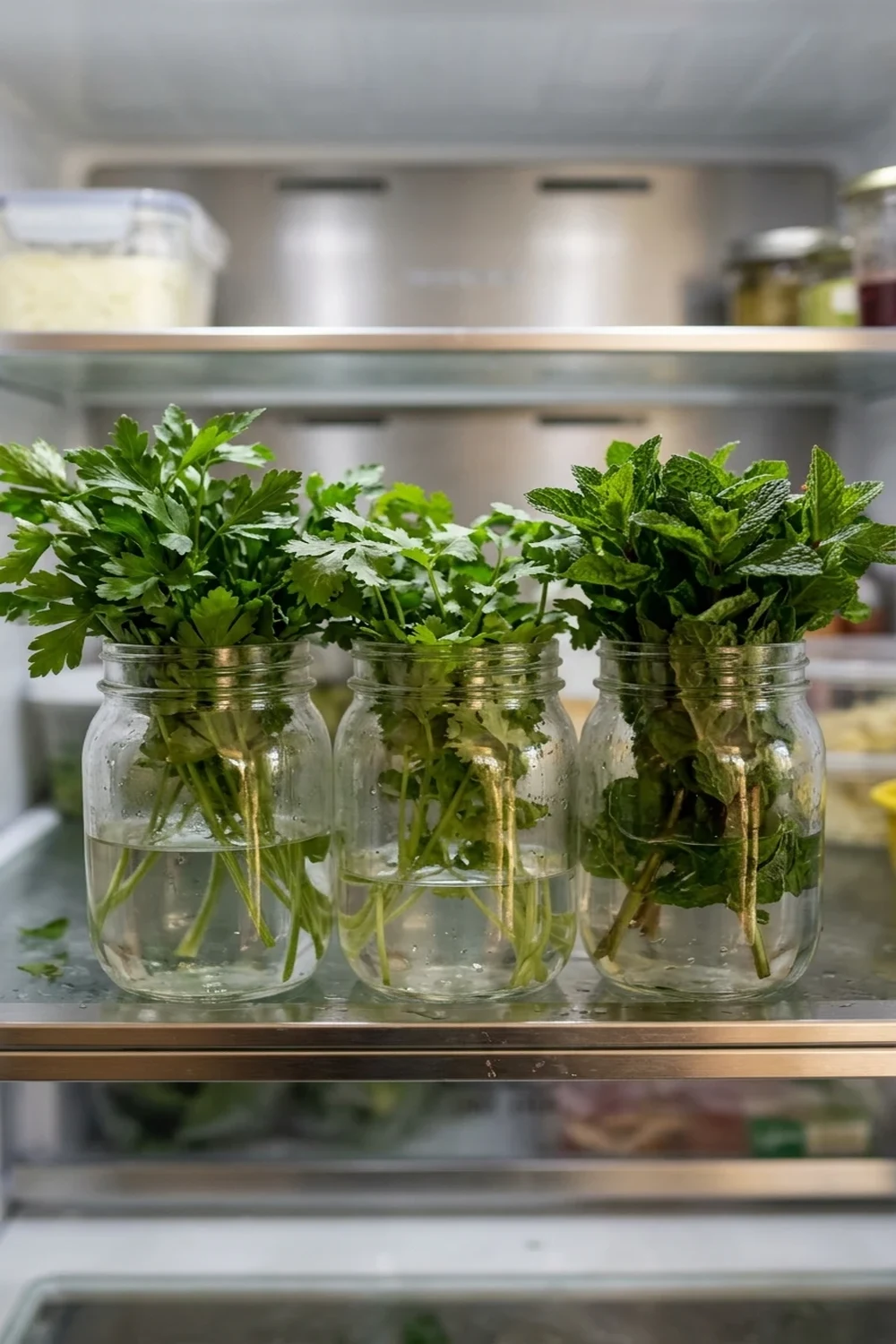
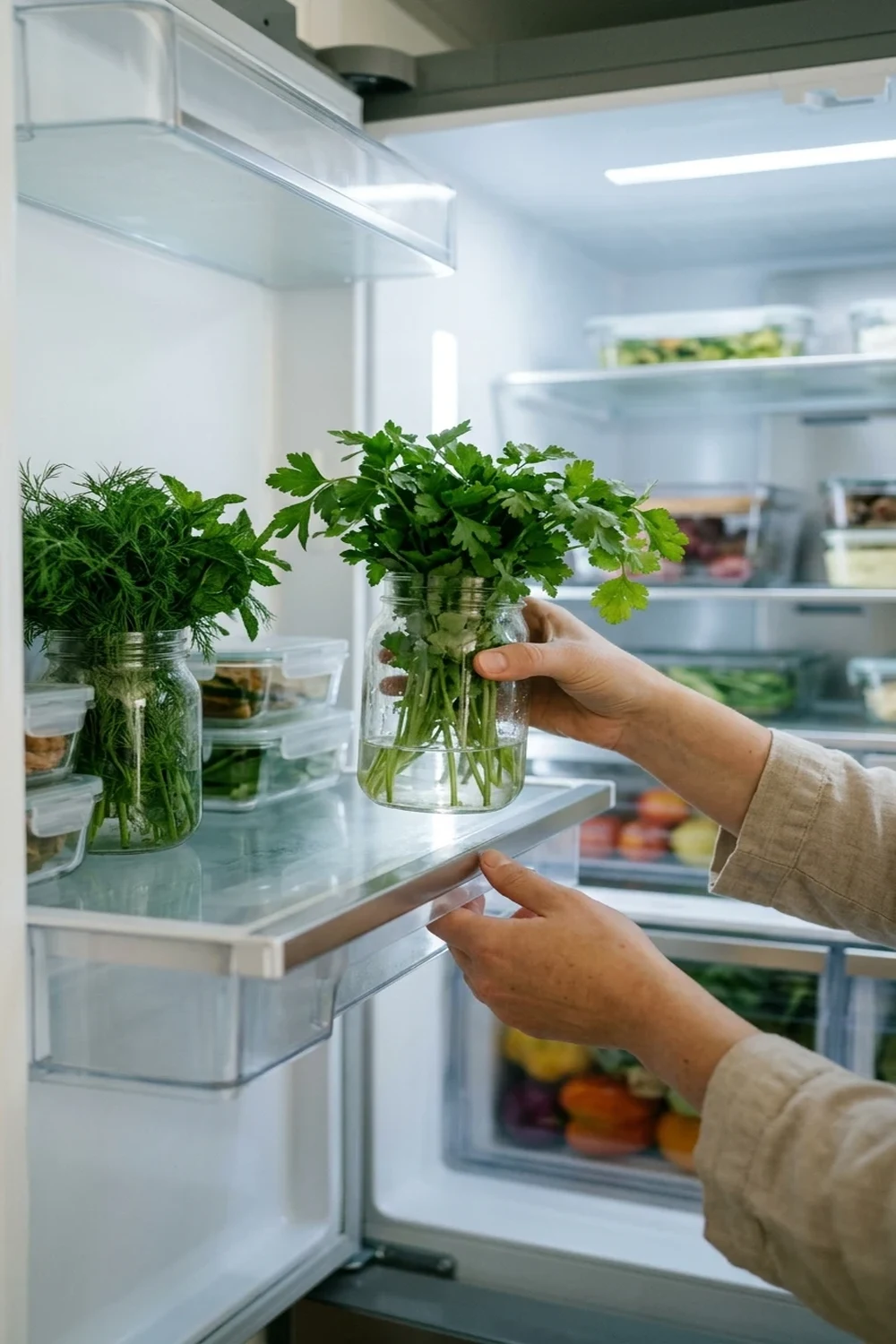
Herb-Forward Storage: How to Store Fresh Herbs in the Refrigerator
Herb-forward storage extends the lifespan of fresh culinary greens by up to three weeks by treating tender stems like cut flowers in water. Instead of allowing delicate cilantro, parsley, and dill to turn into a slimy mess inside plastic grocery bags, this method optimizes stem hydration while protecting tender leaves from dry refrigerator airflow.
- Upright Water Immersion: Trim one half-inch from herb stems and place them directly into a glass jar filled with two inches of clean water to maintain turgor pressure.
- Breathable Tent Barrier: Cover the foliage loosely with an unsealed silicone bag or reusable produce wrap to prevent refrigerator circulation fans from dehydrating the leaves.
- Upper Shelf Placement: Position your herb jars on an upper refrigerator shelf or secure door rack at 38 to 40 degrees Fahrenheit to avoid cold damage from bottom-drawer frost zones.
- Water Refresh Schedule: Replace the jar reservoir water every three days to inhibit bacterial growth and prevent cloudy stagnation.
- Hard Herb Distinction: Store woody varieties such as rosemary, thyme, and oregano wrapped in a damp paper towel inside an airtight container rather than using open water vessels.
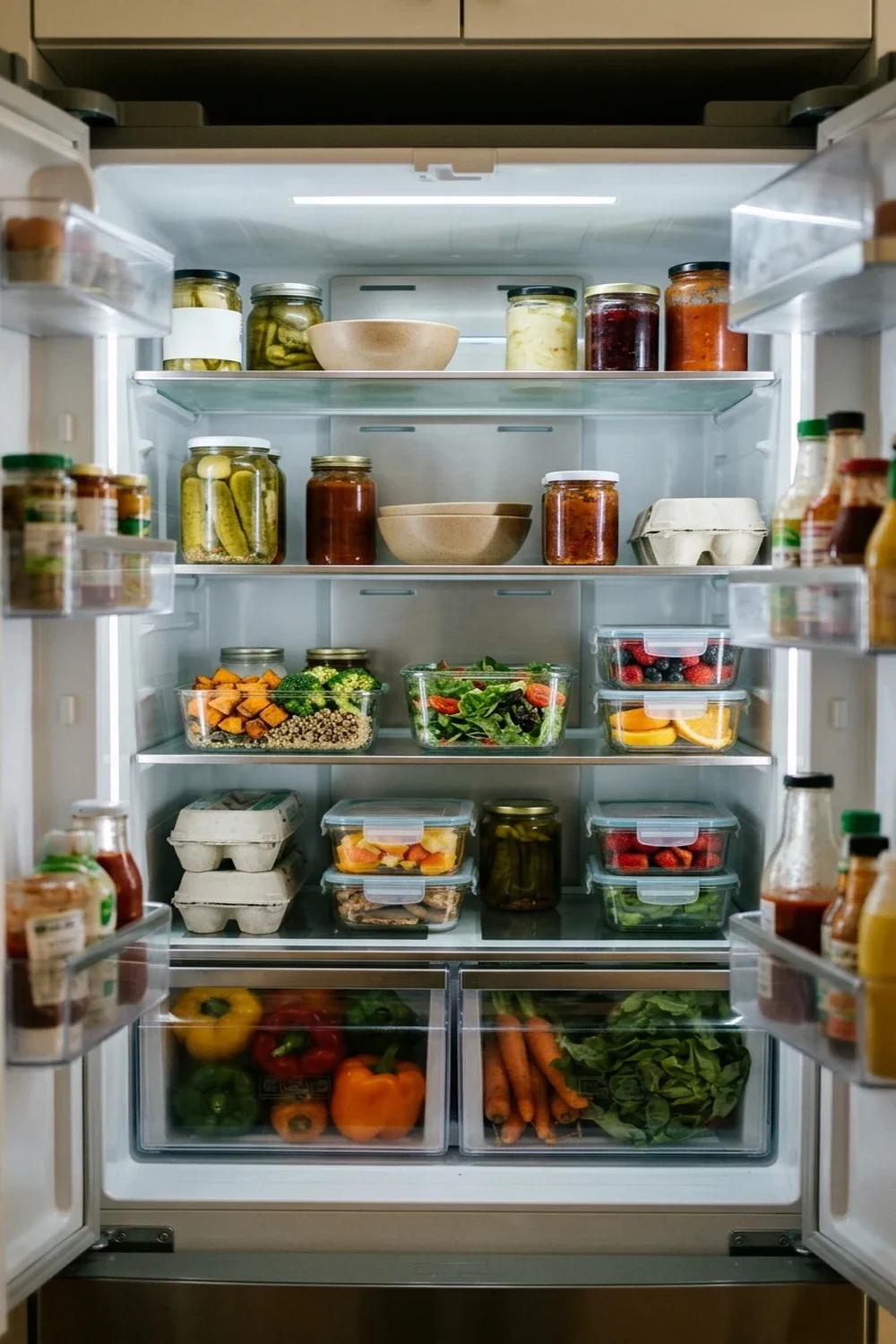
Open Shelf Balance: Mastering Food Visibility and Air Circulation
Open shelf balance is an intentional refrigerator layout strategy that reserves twenty to thirty percent of flat shelf surface area empty to maintain cold air circulation and unobstructed sightlines. Eliminating wall-to-wall grocery packing ensures consistent 37-degree chilling performance across every shelf tier while eliminating forgotten food blind spots.
- Airflow Clearance Margins: Leave at least two inches of perimeter clearance around interior wall vents to allow continuous cold air convection and prevent localized warm zones.
- Tiered Height Staging: Position tall drink pitchers and bulk cartons against lateral sidewalls while reserving lower glass containers for center rows to preserve front-to-back visibility.
- Negative Space Allocation: Maintain open buffer zones between food categories so each ingredient group stands out immediately when the refrigerator door opens.
- Shallow Bin Partitioning: Group related condiment jars and delicate items within low-profile acrylic trays to stop small bottles from migrating into hidden rear corners.
- Curated Inventory Limits: Restrict weekly grocery stocking to match actual household consumption rates, preventing crowded shelves that hide expiring leftovers.

Category-by-Fridge Setup: Organizing Multiple Zones for Maximum Shelf Life
A category-by-fridge setup distributes food items into dedicated micro-zones aligned with their exact temperature and humidity preservation requirements. Establishing dedicated compartments for ready-to-eat meals, raw proteins, dairy essentials, and produce prevents cross-contamination while dramatically cutting weekly grocery waste.
- Eye-Level Meal Station: Reserve middle shelves for prepped lunches, cooked leftovers, and quick snacks that require consumption within three to four days.
- Bottom-Shelf Cold Protection: Keep raw poultry, seafood, and red meat in sealed leakproof vessels on the lowest shelf, which consistently maintains the coldest 34 to 36-degree baseline.
- Regulated Crisper Separation: Store high-humidity leafy greens in a closed-vent drawer while positioning ethylene-emitting fruits like apples and pears in an open-vent compartment.
- Stable Dairy Positioning: House milk jugs, cottage cheese, and yogurt cups on middle glass shelving where temperatures remain stable, avoiding fluctuating door racks.
- Condiment Door Alignment: Restrict perimeter door bins to high-acid dressings, preserved sauces, and canned drinks that easily withstand frequent ambient air exposure.

Bowl-and-Jar Mix: Practical Containers for Instant Produce Visibility
The bowl-and-jar mix storage technique pairs wide-mouth ceramic bowls for immediate-consumption snacks with airtight glass jars for sliced ingredients to maximize daily accessibility. This hybrid container strategy leverages transparency and open access so fresh produce gets eaten before spoilage occurs.
- Front-Row Snack Bowls: Position shallow ceramic or clear glass bowls containing washed berries, cherry tomatoes, and grapes directly at eye level for friction-free snacking.
- Airtight Jar Preservation: Seal pre-sliced celery stalks, carrot batons, and chopped bell peppers inside vertical glass canning jars submerged in clean water for sustained crispness.
- Vertical Storage Geometry: Stack sealed mason jars directly behind open bowls to maximize vertical shelf volume without obstructing horizontal sightlines.
- Moisture Control Liners: Place a folded unbleached paper towel at the base of open fruit bowls to capture excess condensation and halt surface mold formation.
- Non-Toxic Container Materials: Select inert borosilicate glass and lead-free ceramic vessels to eliminate odor absorption and resist staining from acidic foods.

Color-Coded Produce Organization for Peak Freshness
Color-coded produce storage groups fruits and vegetables by natural chromatic categories to expose spoilage patterns and optimize shelf life instantly. Chromatic arrangement eliminates dark refrigerator blind spots where rotting vegetation produces ethylene gas and ruins adjacent produce.
- Ripeness Visibility: Bright red berries and yellow stone fruits stand out clearly, allowing you to identify soft spots before mold spreads to neighboring items.
- Ethylene Isolation: Storing deep green leafy vegetables separately from high-ethylene red apples prevents premature leaf yellowing and extends crispness by up to five days.
- Clear Acrylic Partitioning: Transparent, BPA-free refrigerator bins dedicated to distinct color groups preserve line-of-sight across the entire middle shelf.
- Hydration Tracking: Grouping high-moisture items like green cucumbers and celery together helps you monitor humidity control settings without shifting containers.
- Effortless Inventory Audits: Distinct color sections allow you to scan empty color zones in three seconds to assemble an accurate grocery restock list.
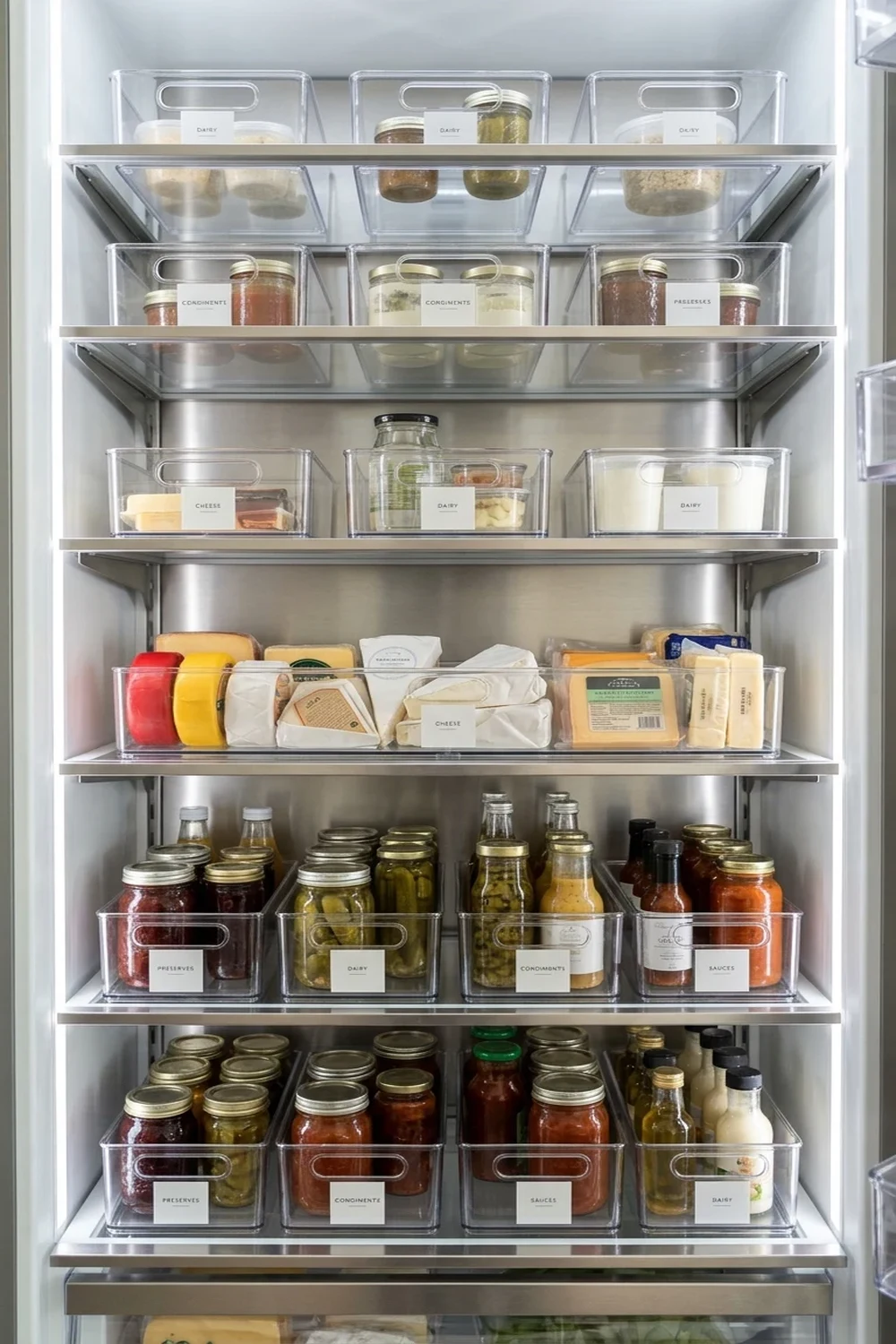
Label-First Storage System to Prevent Refrigerator Clutter
A label-first storage system designates permanent, visible categories on every refrigerator bin so household members return items to consistent, temperature-appropriate locations. Clear taxonomy eliminates misplaced perishables and accelerates daily food prep.
- Category Over Brand: Marking containers with generic terms like ‘Deli’, ‘Yogurt’, and ‘Opened Sauces’ prevents organizational breakdown when changing grocery brands.
- Eye-Level Prioritization: Placing high-traffic labeled bins on the central shelf ensures daily grab-and-go snacks remain immediately accessible to all household members.
- Bold Typography Standards: High-contrast, water-resistant vinyl labels positioned on container fronts ensure text remains legible through condensation and low lighting.
- Cross-Contamination Safeguards: Dedicated labels for raw proteins on lowest shelves establish firm boundaries that keep uncooked juices isolated from ready-to-eat foods.
- Rapid Restocking Routines: Designated bin placement cuts unpacking time after grocery shopping by eliminating guesswork regarding where specific items belong.
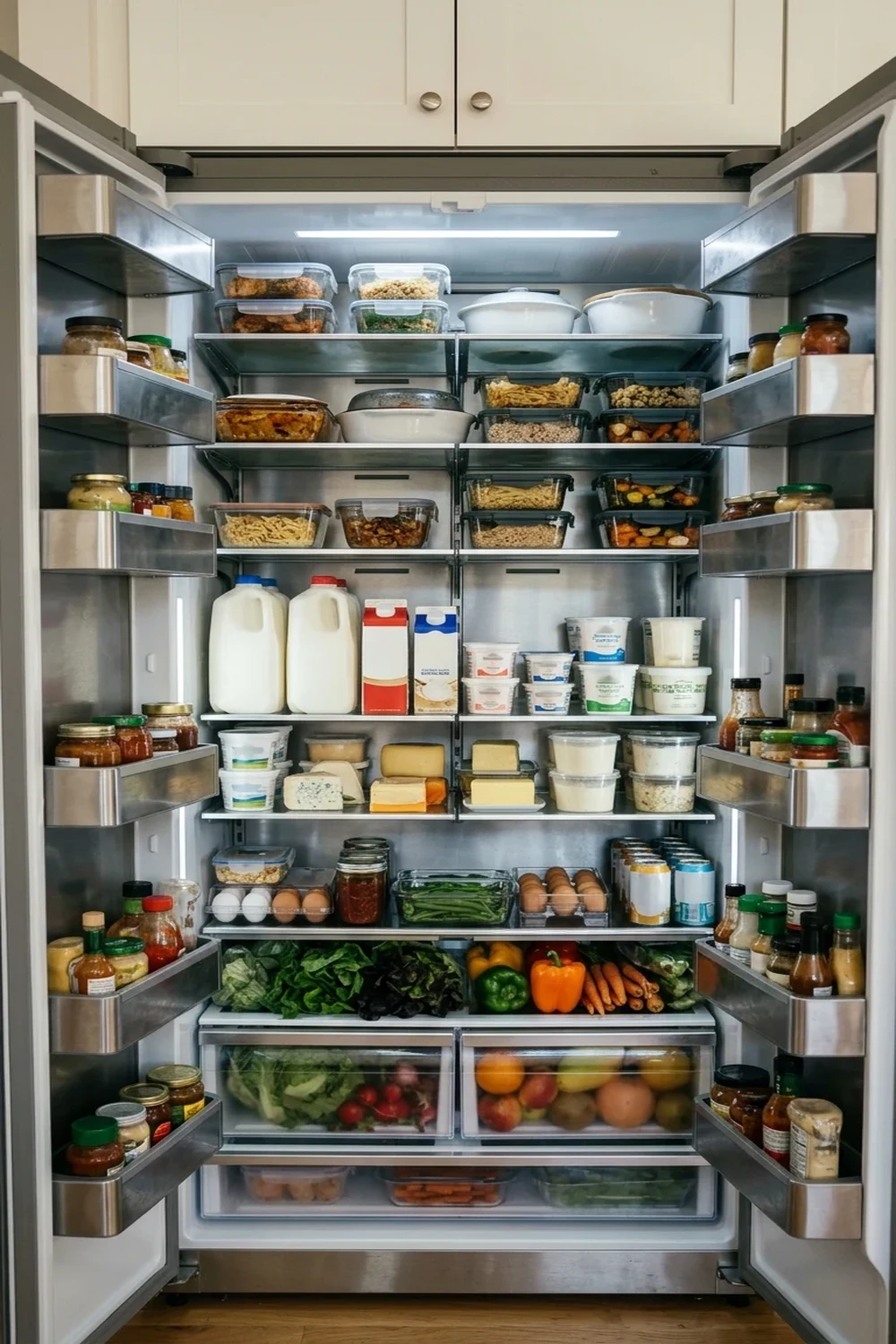
Shelf-by-Shelf Logic Based on Temperature Gradients
Shelf-by-shelf refrigerator logic positions foods according to internal thermal zones to maximize preservation and meet food safety standards. Standard domestic refrigerators feature varying temperature zones ranging from 34 degrees Fahrenheit at the bottom rear to 40 degrees Fahrenheit in the door bins.
- Top Shelf Stability: Upper shelves maintain the most uniform temperature, making them the safest placement for leftovers, prepared salads, and cooked delicacies.
- Middle Shelf Cold Zone: Center glass surfaces hold a steady 37 degrees Fahrenheit, creating the optimal climate for preserving milk, eggs, and soft cheeses.
- Bottom Shelf Safety: The coldest interior zone at the bottom shelf safely houses raw meats and poultry inside sealed containers to contain accidental drips.
- Door Compartment Caution: Door racks experience frequent ambient air exposure during openings, restricting their safe use to shelf-stable condiments and pasteurized juices.
- Airflow Clearance: Leaving two inches of open space along back interior walls maintains cold air circulation and prevents localized freezing of vegetables.

Produce Grid Layout for Consistent Airflow and Visibility
A produce grid layout arranges modular, uniform clear containers in symmetrical columns across refrigerator shelves to stabilize airflow and streamline visual inventory. Dedicated grid compartments keep distinct botanical varieties segregated to prevent cross-bruising and uneven decay.
- Modular Bin Alignment: Symmetrical clear bins aligned side-by-side create structured vertical columns that maximize cubic storage volume without crowding shelf space.
- Ventilated Base Preservation: Grid containers featuring elevated bottom drainage trays lift produce above pooled condensation to prevent bottom-layer moisture rot.
- Single-Variety Segregation: Dedicating individual grid slots exclusively to berries, citrus, or cruciferous vegetables allows accurate monitoring of specific ripening rates.
- Linear First-In-First-Out Access: Arranging bins in front-to-back rows lets you shift older produce forward while placing new grocery purchases in rear slots.
- Unobstructed Sightlines: Uniform container heights allow refrigerator ceiling lights to illuminate all rows, ensuring no forgotten vegetables spoil in rear corners.

Freshness Flow Shelves: How to Organize Food by Expiration Date
A freshness flow shelf system organizes refrigerated food by shelf-life progression, moving expiring items toward prime sightlines while storing stable reserves underneath. This chronological rotation strategy prevents food waste by establishing a first-in, first-out sequence where perishables are consumed before spoilage occurs.
- Eye-Level First-In Rotation: Position expiring leftovers and opened dairy items in the immediate center of eye-level shelves to guarantee they are consumed within 48 to 72 hours.
- Top-Shelf Ready Goods: Reserve the uppermost shelf for pre-washed produce, snacks, and ready-to-eat deli portions that require zero cooking preparation.
- Lower-Deck Cold Reserve: Store raw poultry, red meats, and unpasteurized backups on the bottom shelf where temperatures consistently measure between 34°F and 37°F.
- Clear Lateral Spacing: Leave two inches of perimeter clearance between stacked containers to maintain unrestricted convection airflow across cooling coils.
- Weekly Frontward Reset: Slide aging condiments and prepped glass jars to the front row every Sunday evening before unpacking fresh grocery purchases.

Grab-and-Go Center: Fast Access Fridge Organization for Busy Routines
A grab-and-go refrigerator center is a dedicated mid-shelf zone housing pre-portioned snacks, drinks, and lunch components in shallow, low-profile bins. Concentrating high-frequency daily essentials in one centralized access point reduces open-door duration and stops small containers from drifting into dark rear corners.
- Single-Tier Snack Bins: Group washed berries, hard-boiled eggs, and portioned cheeses inside clear, open-top acrylic organizers measuring four inches high.
- Central Sightline Placement: Position the grab-and-go station directly on the middle shelf between 36 and 48 inches from the floor for immediate arm-reach access.
- Strict Two-Layer Limit: Cap container vertical stacking at two units high to prevent tipping hazards and preserve visual line-of-sight to rear items.
- Dedicated Beverage Channel: Flank snack bins with a narrow grooved tray holding upright sparkling waters, cold brews, or probiotic drinks.
- Daily Replenishment Protocol: Restock the grab-and-go center every morning using secondary bulk bins stored in deeper crisper drawers.
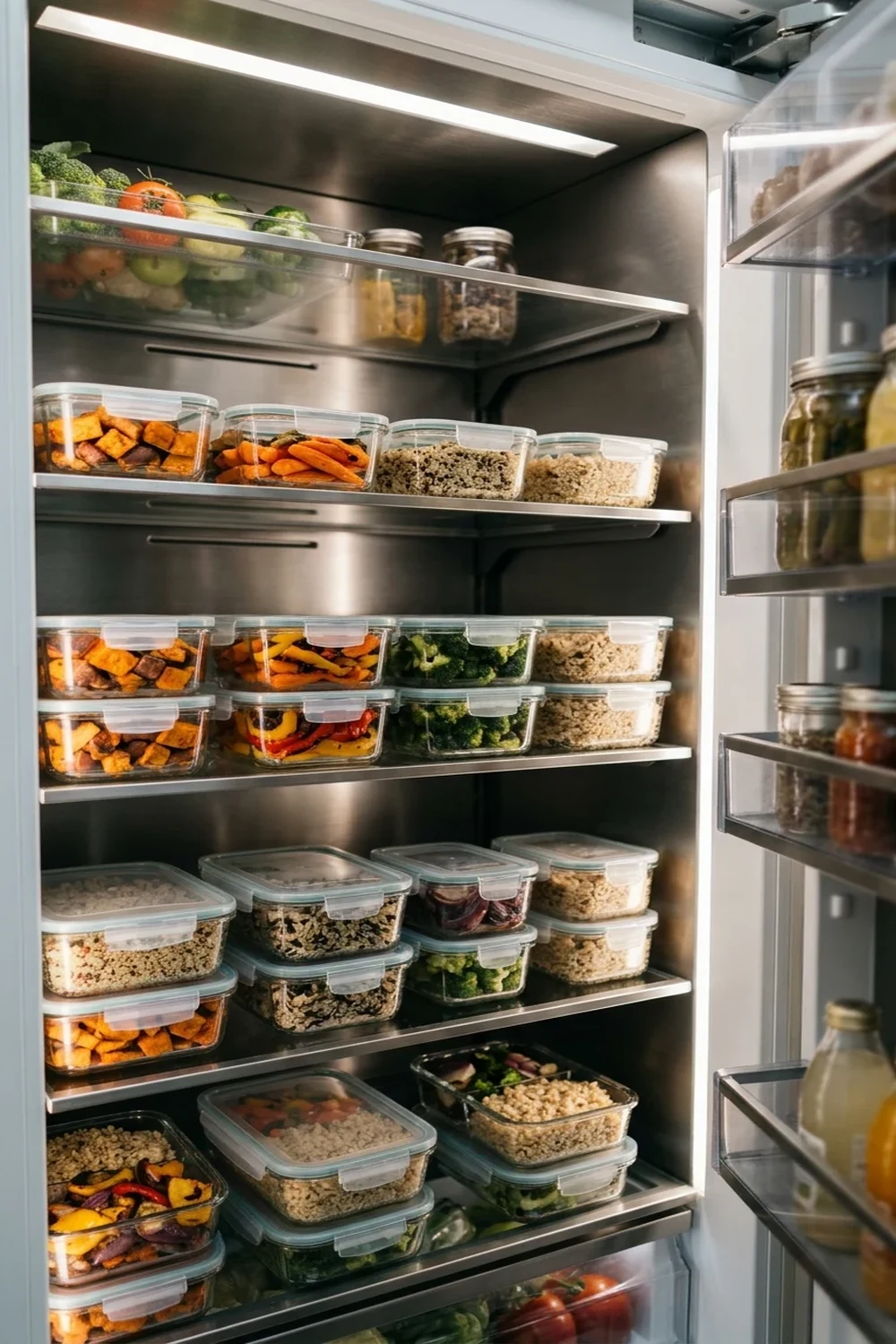
Meal-Prep Display: Preserving Cooked Food with Visible Glass Storage
A meal-prep display utilizes uniform glass containers aligned in tidy rows across middle shelves to showcase pre-cooked proteins, grains, and washed greens. Displaying prepped meals prominently removes decision fatigue and protects food quality by relying on borosilicate glass that resists odor absorption and moisture condensation.
- Identical Glass Vessels: Deploy matching rectangular glass containers with clear locking lids to maintain stack uniformity and seal moisture tightly.
- Color-Coded Day Labels: Apply reusable color-coded dry-erase bands or removable labels on container fronts indicating exact preparation dates.
- Vertical Layer Presentation: Layer composed salads and grain bowls in clear wide-mouth glass jars to keep dressings separate from delicate leafy greens.
- Middle-Shelf Cold Zone: House cooked animal proteins and baked tofu on the colder center tier where thermal stability prevents bacterial reproduction.
- Pre-Portioned Dinner Trays: Consolidate complete single-serving dinners onto one shallow pull-out acrylic tray for seamless weekday evening retrieval.

Balanced Shelf Heights: Maximizing Airflow and Vertical Fridge Space
Balanced shelf height calibration involves adjusting interior refrigerator brackets to accommodate container dimensions precisely, eliminating cavernous dead space and tall item blind spots. Proper vertical spacing prevents bulky containers from obstructing air vents, which preserves uniform 37°F temperature distribution throughout the refrigeration cabinet.
- Perimeter Tall Item Staging: Relocate tall milk cartons, water pitchers, and wine bottles to side door compartments or outer shelf edges.
- Customized Tier Spacing: Adjust middle cantilever brackets to six-inch clearances for shallow deli trays and ten-inch clearances for stockpots.
- Vent Clearance Buffers: Maintain a minimum three-inch gap directly in front of interior back-panel air return louvers to avoid localized freezing.
- Low-Profile Bin Integration: Utilize flat slide-out drawers beneath wide shelves to capture unused headroom above shorter produce items.
- Unobstructed Ceiling Spread: Keep the upper three inches of the top shelf free of bulky boxes to allow overhead LED arrays to illuminate lower racks.
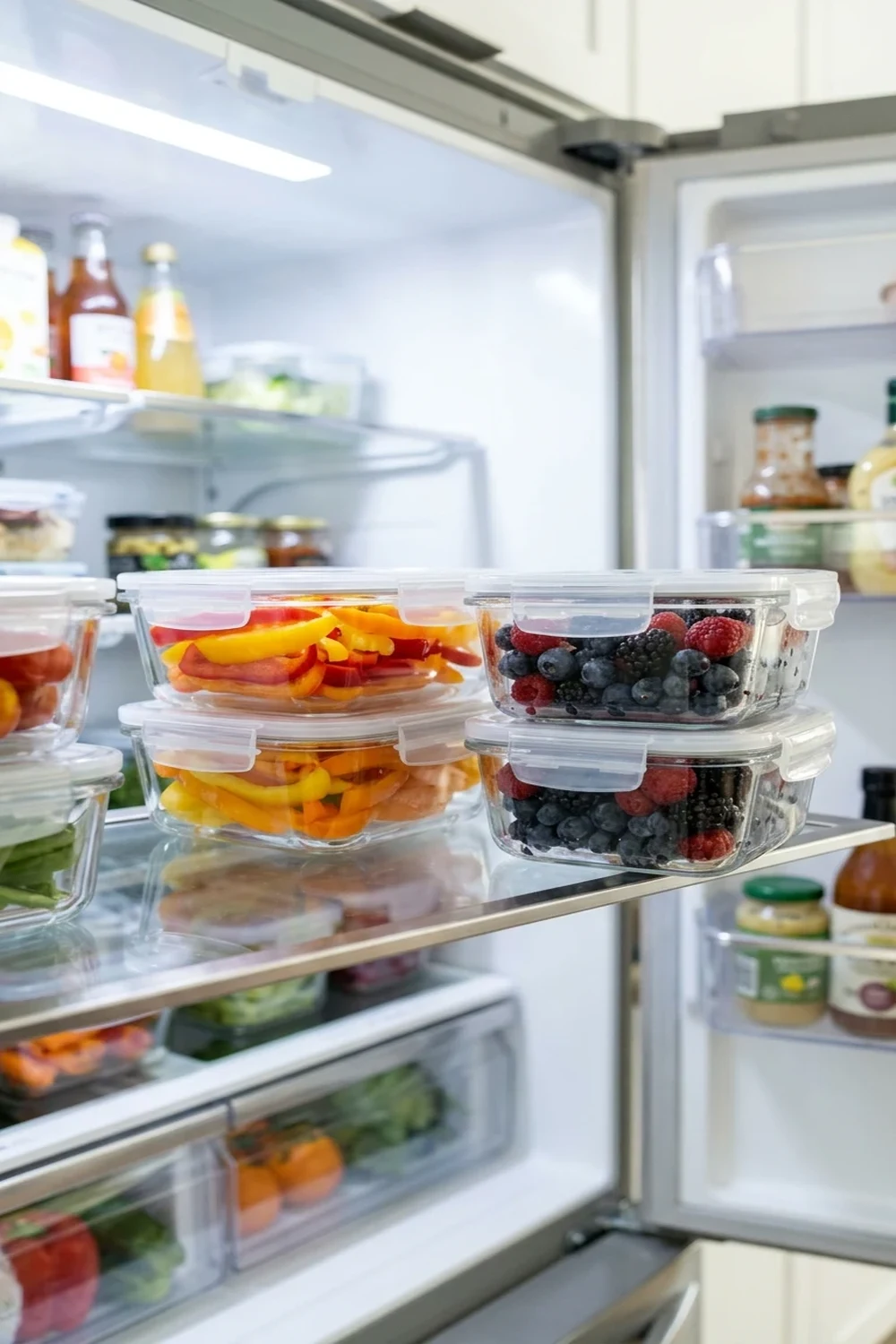
21. Container-Only Rule for Clutter-Free Freshness
The container-only rule is a refrigerator organization protocol where grocery store packaging is immediately replaced with uniform, airtight containers to prolong shelf life and maximize visibility.
- Standardized Footprint: Modular rectangular glass or BPA-free containers eliminate irregular store packaging, reclaiming up to 30 percent of wasted shelf volume.
- Airtight Humidity Barrier: High-quality silicone seals lock out moisture fluctuations and circulating refrigerator air, keeping cut vegetables crisp for 7 to 10 days.
- Spill and Cross-Contamination Containment: Solid bases prevent sticky leaks or meat juices from dripping onto lower shelves, isolating potential food safety risks.
- Visual Food Auditing: Transparent container bodies make every ingredient instantly visible from the door threshold, preventing overlooked leftovers from spoiling in back corners.

22. Chalk-Labeled Drawers to Eliminate Produce Waste
Chalk-labeled crisper drawers are designated humidity-controlled compartments marked with erasable labels that clearly identify specific produce contents and their target expiration windows.
- Rapid Inventory Identification: Bold chalk lettering on drawer faces alerts your household to current inventory without requiring repeated drawer openings that disrupt internal temperatures.
- Rotational Freshness Tracking: Writing target ‘use-by’ dates directly beneath the produce name guarantees older inventory is cooked before freshly bought items.
- Ethylene Gas Separation: Labeled drawer assignments keep ethylene gas-emitting fruits like apples away from ethylene-sensitive leafy greens to stop accelerated spoilage.
- Zero-Residue Adaptability: Chalk markers wipe off easily with a damp microfiber cloth, allowing flexible bin reassignments after every grocery shopping trip.

23. Tiered Access Rows to Prevent Forgotten Food
Tiered access rows utilize graduated elevation risers and front-to-back height stepping to maintain unbroken sightlines across every item on a refrigerator shelf.
- Stadium-Style Visibility: Positioning low-profile containers in the front row and taller items toward the back wall ensures zero items are hidden behind bulky cartons.
- First-In, First-Out Rotation: Tiered shelf depth facilitates sliding newly bought condiments and jars behind opened units, naturally reinforcing first-in, first-out food usage.
- Unobstructed Airflow Circulation: Stepped container layouts preserve required 1-inch clearance corridors along rear refrigerator cooling vents, maintaining uniform 37-degree Fahrenheit temperatures.
- Accelerated Meal Selection: Elevated back rows let you audit pantry ingredients in under 5 seconds, slashing door-open dwell times and preserving compressor efficiency.

24. Prep-Forward Fridge Setup for Effortless Cooking
A prep-forward fridge is an intentional layout strategy that places washed, pre-chopped cooking aromatics and ready-to-eat meal components directly on center shelves at eye level.
- Immediate Visual Priority: Storing chopped mirepoix, washed greens, and portioned proteins front-and-center ensures home cooks utilize perishable whole foods before processed alternatives.
- Weekly Cook Time Reduction: Pre-portioning produce into dedicated wide-mouth jars cuts weeknight dinner preparation times by up to 25 minutes per meal.
- Optimal Eye-Level Temperature Stability: Middle refrigerator shelves maintain the most consistent 36 to 38-degree Fahrenheit temperatures, ideal for preserving prepared foods.
- Grab-and-Go Recipe Grouping: Storing coordinated ingredients in unified caddies allows instant transfer from refrigerator to kitchen counter in a single movement.

Natural Material Zones for Breathable Produce Storage
Natural material storage zones balance interior humidity levels by utilizing breathable containers made of organic materials like untreated wood, cotton, and bamboo. Introducing porous storage textures directly combats moisture condensation, which acts as the primary accelerator of mold and premature rot on sensitive garden produce.
- Humidity Regulation: Natural wood and woven bamboo inserts absorb surplus ambient condensation, stabilizing surface moisture on tender fruits and leafy greens.
- Bacterial Resistance: Untreated cedar and bamboo slats exhibit inherent natural antimicrobial properties that deter bacterial biofilm accumulation along shelf bases.
- Bruise Prevention: Soft woven cotton liners buffer delicate stone fruits and heirloom tomatoes against hard glass shelving impacts, preventing tissue breakdown.
- Airflow Optimization: Slat-based wooden bins promote steady 360-degree convection cooling around produce clusters, eliminating stagnant warm pockets in interior drawer spaces.
- Visual Warmth: Earthy textures introduce an intentional, calm aesthetic that transforms chaotic appliance shelves into clean, functional culinary displays.
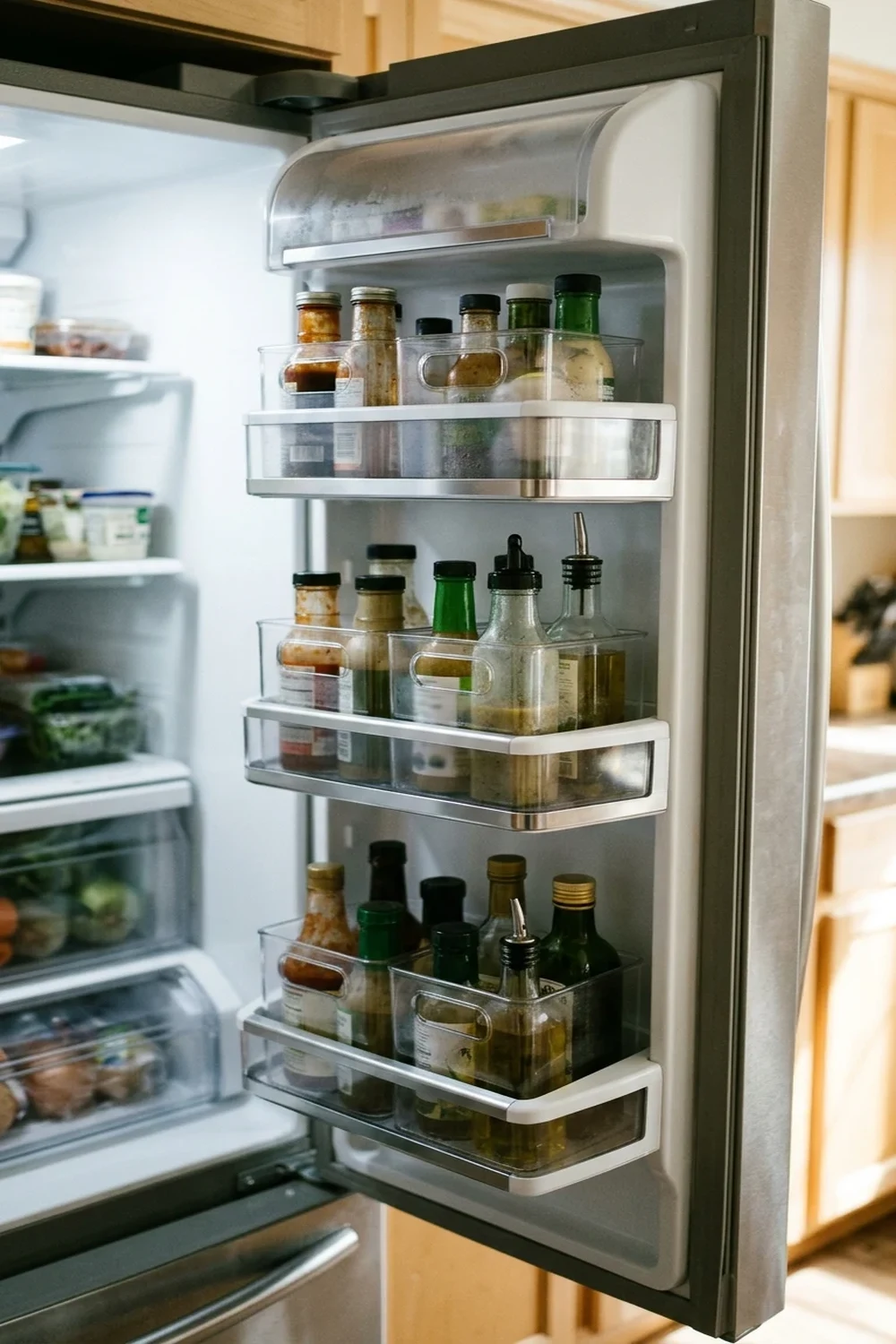
Door-Side Containment Systems for Temperature-Stable Items
Door-side containment systems isolate items with high natural preservatives from volatile temperature swings caused by frequent door openings. Refrigerator doors experience temperature fluctuations between 38°F and 45°F (3°C to 7°C), making this area suitable exclusively for shelf-stable condiments, pasteurized juices, and acidified preserves rather than perishable dairy or fresh meats.
- Thermal Zone Allocation: Preserve perishable whole milk and raw eggs by placing them on cold interior shelves while reserving door compartments strictly for high-acid sauces and vinegar-based preserves.
- Compartment Categorization: Segment door bins into dedicated taste profiles, such as savory Asian condiments, salad dressings, and fermented hot sauces, to streamline meal prep speed.
- Spill Isolation: Fit removable silicone liners inside lower door racks to catch sticky drips from bottles before liquids spread beneath door gaskets.
- Vertical Stability: Insert adjustable tension dividers within deep door ledges to secure tall beverage carafes and prevent toppling during rapid door closures.
- Access Frequency Sorting: Position everyday staples like butter spreads and Dijon mustard along upper door tiers to ensure immediate, zero-dig retrieval.
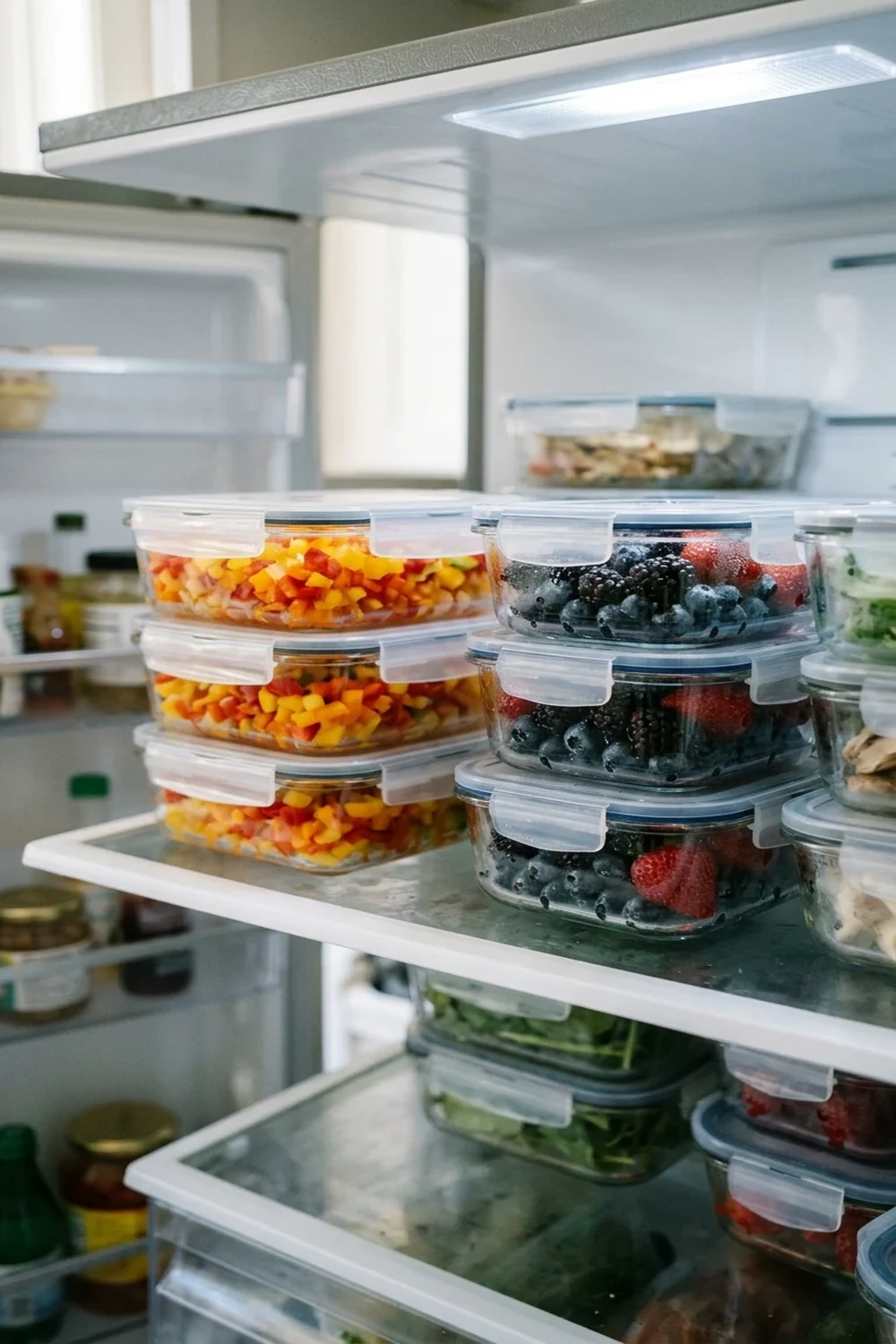
Top-Shelf Fresh Prep Stations for Immediate Meal Assembly
A top-shelf fresh prep station houses ready-to-eat ingredients and washed produce directly at eye level to ensure rapid consumption before spoilage occurs. Because upper shelves maintain the most uniform illumination and immediate line of sight, placing pre-chopped vegetables and prepped protein bowls here reduces household culinary food waste by up to 30 percent.
- Visible Placement: Stage washed berries and chopped aromatic vegetables in transparent glass vessels right at standard eye level to encourage daily usage.
- Consistent Temperature Maintenance: Leverage the consistent 37°F (3°C) upper air convection zone to preserve prepared grains, marinated legumes, and overnight breakfast parfaits.
- Airtight Moisture Management: Utilize silicone-gasket glass containers to block moisture loss and prevent cross-contamination of volatile odors across ready-to-consume meals.
- Batch-Prep Efficiency: Arrange clear meal prep dishes in a single-depth row from left to right according to targeted expiration dates.
- Zero-Search Accessibility: Eliminate visual obstruction by keeping containers below six inches in height, preserving total visibility into the rear corner of the shelf.
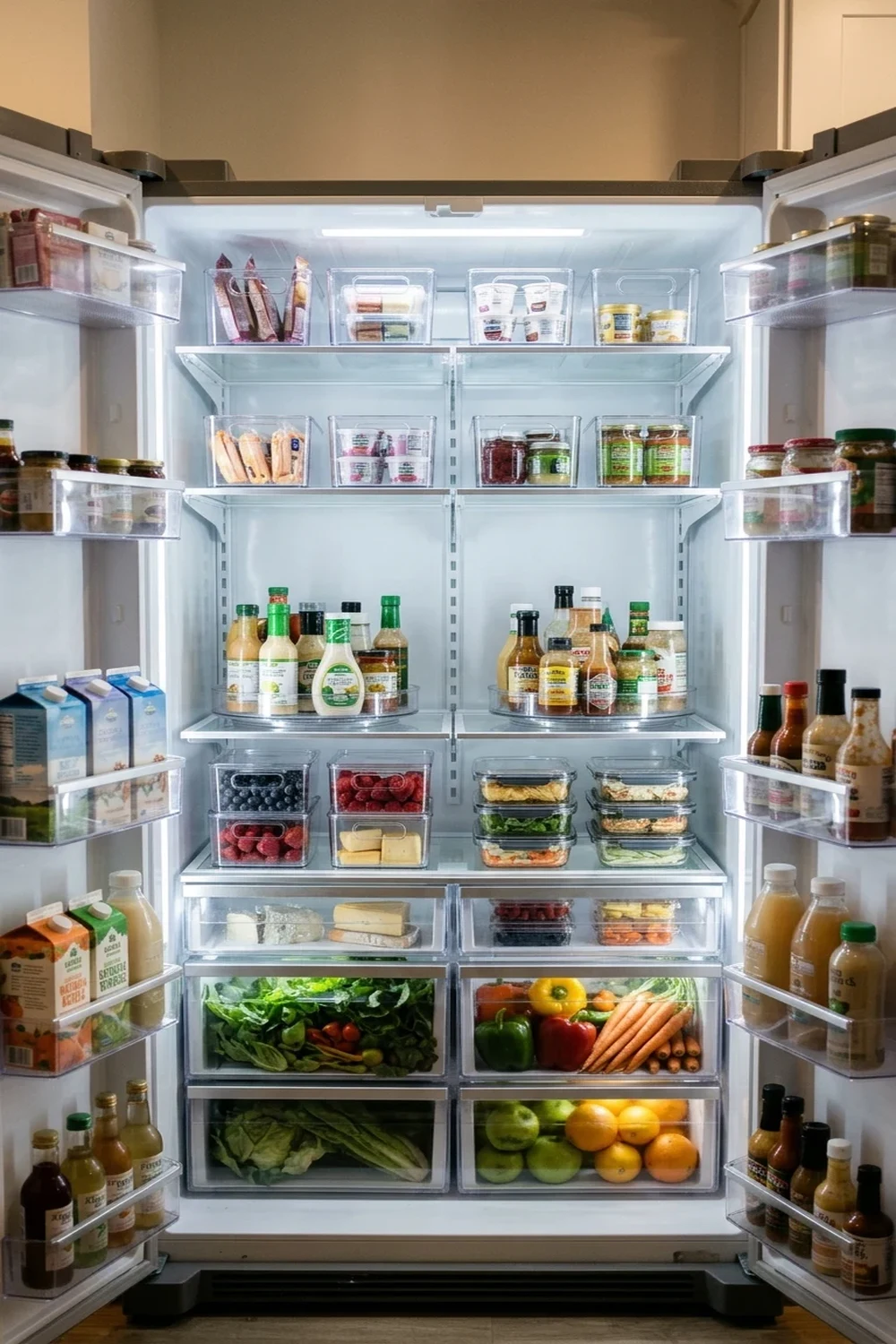
Pantry-Style Fridge Layouts for High-Visibility Food Management
A pantry-style fridge layout applies systematic dry-goods merchandising principles by grouping similar items into broad, front-facing categories inside uniform clear bins. Standardizing container geometry and arranging food by functional categories eliminates blind back corners where neglected groceries spoil out of sight.
- Category Clustering: Group items into predictable household culinary themes, including daily breakfasts, deli sandwich fillings, and evening cooking bases.
- Uniform Container Geometry: Deploy rectangular stackable clear acrylic bins to maximize cubic shelf volume while creating clean, unbroken visual sightlines across tiers.
- Front-Facing Merchandising: Position primary brand labels forward and implement the ‘first-in, first-out’ inventory rotation method by stocking newer items directly behind older ones.
- Tiered Turntable Integration: Install smooth rotating lazy susans in awkward rear corners to bring hidden condiment jars into immediate reach without displacing surrounding containers.
- Standardized Breadth Spacing: Maintain a one-inch air gap between adjoining pantry-style bins to preserve continuous cooling efficiency and cold air circulation throughout the cabinet.
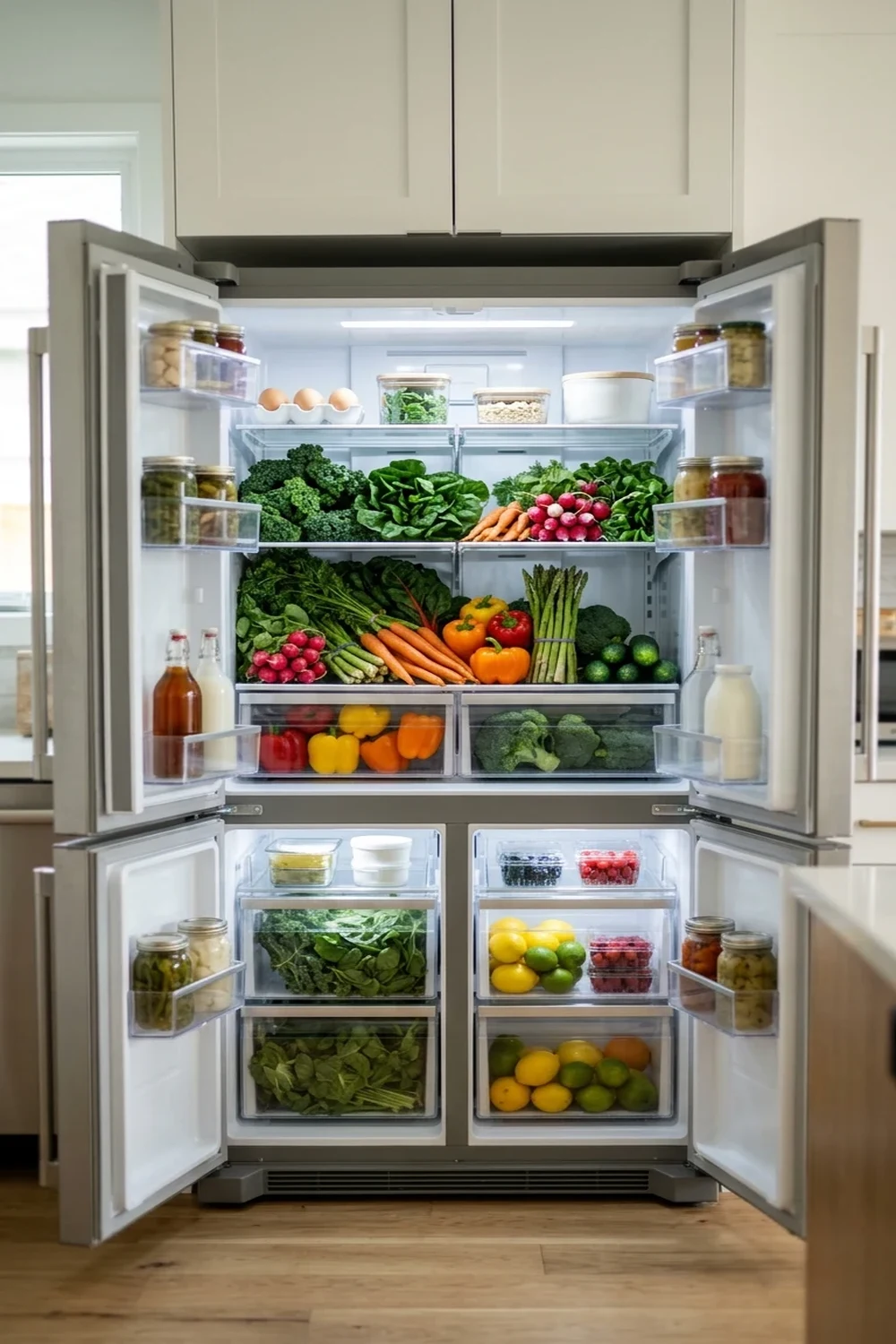
Essential Fridge Organization FAQs: Fast Answers for Better Food Preservation
Mastering refrigerator organization requires understanding how cold airflow zones, humidity settings, and storage visibility directly impact ingredient freshness. Implementing systematic placement reduces household food spoilage by up to thirty percent while eliminating forgotten leftovers.
- Target Temperature: Maintain refrigerator internal temperatures between 35°F and 38°F (1.7°C to 3.3°C) to inhibit bacterial proliferation without freezing delicate produce.
- Air Circulation Rules: Keep shelves twenty percent below maximum capacity to preserve uniform convective airflow around every container.
- Zone Allocation: Position highly perishable raw poultry and dairy on the coldest bottom rear surfaces rather than fluctuating door bins.
- Crisper Calibration: Set leafy green drawers to high humidity by closing vents, while sliding fruit drawer vents open for low humidity ethylene venting.
- Visibility Maximization: Use transparent containers so perishable ingredients remain immediately visible within three seconds of opening doors.
How Often Should I Reorganize My Fridge to Prevent Food Spoilage?
You should reorganize your refrigerator weekly before grocery restocking, conduct a monthly deep inventory check, and perform a complete sanitizing wipe-down every three months. Following a tiered maintenance schedule ensures older perishable items get eaten first while sticky spills never cultivate mold spores.
- Weekly Restock Reset: Dedicate five minutes prior to shopping to rotate older items forward and consolidate expiring ingredients into a designated front-row meal zone.
- Monthly Shelf Realignment: Check expiration dates on door condiments, discard forgotten sauces older than ninety days, and recalibrate crisper drawer dividers.
- Quarterly Deep Clean: Empty all removable drawers and wash tempered glass shelves with warm water and baking soda to eradicate odor-causing bacteria.
- Immediate Spill Response: Wipe dairy drops and meat condensation immediately with microfiber cloths to prevent cross-contamination across lower tiers.
- Seasonal Temperature Check: Verify internal cooling consistency using an independent appliance thermometer whenever external ambient room temperatures shift.

Do Clear Containers Really Help Food Last Longer in the Refrigerator?
Clear containers help food last significantly longer by providing immediate visual tracking to prevent forgotten spoilage and sealing in precise moisture levels when paired with airtight silicone gaskets. Transparent borosilicate glass and BPA-free acrylic bins eliminate the out-of-sight neglect that drives forty percent of domestic food waste.
- Visual Accountability: Clear walls allow you to assess produce ripeness and meal inventory within two seconds without unsealing lids.
- Moisture Barrier Control: Airtight silicone snap lids preserve essential relative humidity, preventing celery and carrots from becoming limp dehydrates.
- Ethylene Gas Containment: Storing gas-emitting cut melons or apples in sealed glass bins shields surrounding leafy vegetables from premature yellowing.
- Uniform Thermal Transfer: High-quality glass containers conduct refrigerator coldness evenly, chilling leftovers faster down to safe temperatures under 40°F.
- Stackable Space Efficiency: Flat transparent lids create structured vertical columns that maximize interior cube space without blocking cold air conduits.
Key Takeaways & Final Thoughts
A well-organized refrigerator relies on deliberate temperature management, consistent category zoning, and unobstructed visibility rather than rigid perfection. By assigning specific shelves for delicate dairy, bottom-level safety bins for proteins, and eye-level containers for prepped meals, you safeguard food quality while streamlining daily meal preparation. Start small by establishing clear produce zones and labeling high-traffic bins to cultivate an effortless, waste-free kitchen routine.